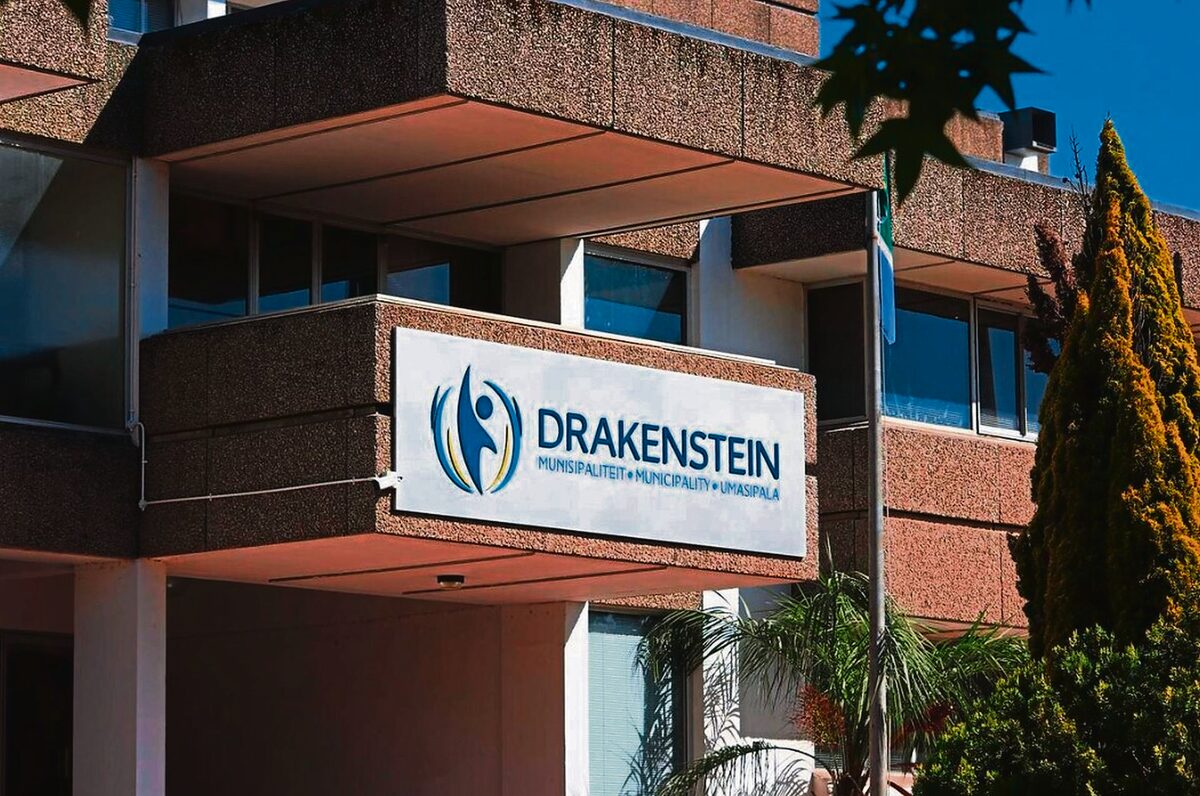
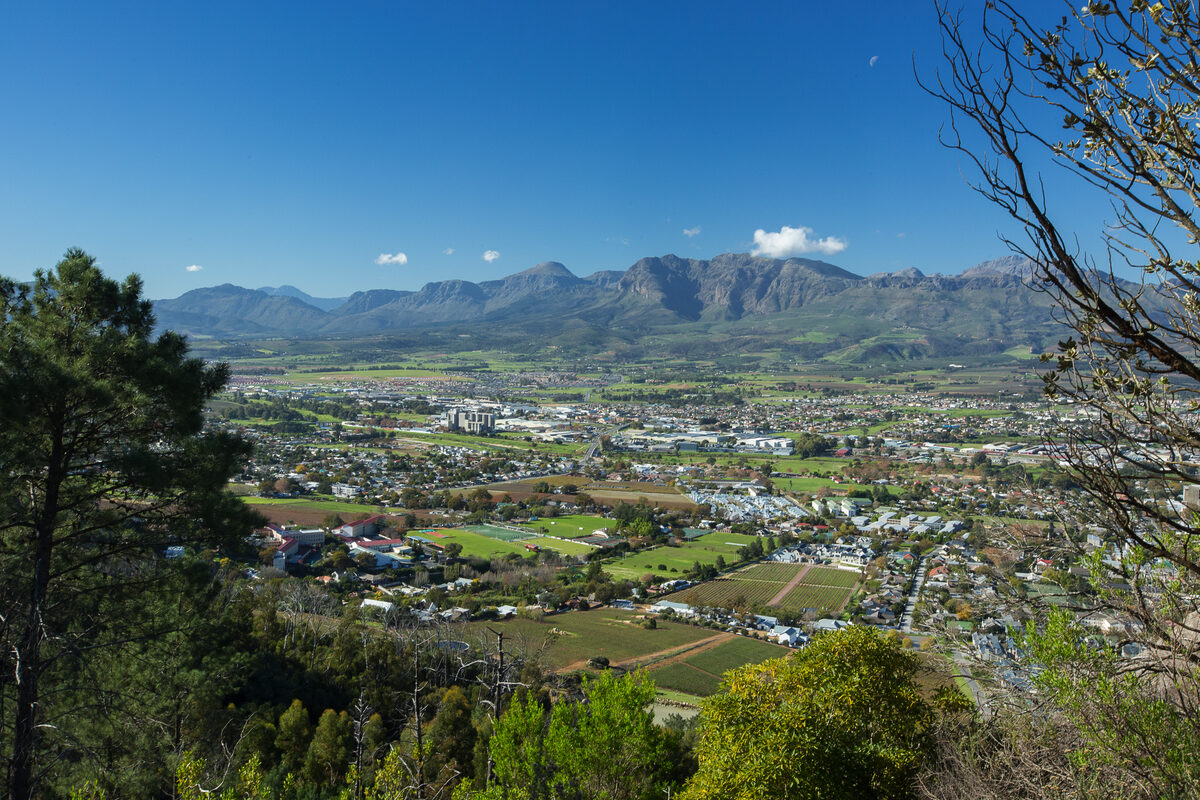
Drakenstein Municipality is considering introducing Level 1 water restrictions as the Western Cape faces reduced water allocations and lower dam levels than at this time last year.
The municipality is awaiting the outcome of the Western Cape Water Supply System (WCWSS) operating analysis before making a formal decision on restrictions.
Executive Director of Engineering Services Louis Pienaar said implementing Level 1 restrictions would require a council resolution. Pienaar previously indicated that the matter would be considered by the new council following the local government elections.
In the meantime, residents and businesses are encouraged to use water responsibly and sparingly.
The municipality’s position comes amid the announcement of precautionary water allocation reductions by National Minister of Water and Sanitation Pemmy Majodina. The measures provide for a 7% reduction in domestic and industrial water allocations and a 15% reduction in irrigation allocations. These are expected to save approximately 56.8 million cubic metres of water annually.
Western Cape Minister of Local Government, Environmental Affairs and Development Planning Anton Bredell welcomed the measures on 17 November, saying proactive action was necessary to protect the province’s water resources ahead of what could be a challenging summer and 2027.
According to the Department of Water and Sanitation, combined storage in the WCWSS stood at 72.5% at the beginning of November, compared with 84.4% during the same period in 2025.
Drakenstein Municipality regularly engages with the City of Cape Town and other stakeholders through scheduled forums and the Water Restriction Steering Committee, which monitors water availability and assesses the need for restrictions across the integrated regional water supply system.
The municipality also clarified that it does not receive drinking water directly from the Berg River Dam. Most of its potable water is supplied through the City of Cape Town’s Wemmershoek system as part of the WCWSS. Decisions on restrictions are therefore informed by the broader regional supply system rather than the storage level of a single dam.
The municipality manages water demand through pressure management across 30 supply zones, ongoing leak detection and repairs, the replacement of ageing water meters and pipelines, and real-time monitoring of reservoirs and pump stations. It also has an approved Drought Management Plan to guide its response should water availability deteriorate.
Drakenstein does not supply water directly to the agricultural sector. Agricultural water use is managed through separate allocations and water sources regulated by the Department of Water and Sanitation and the Berg River Water User Association.
Bredell said reducing water losses through leaking pipes, infrastructure failures, illegal connections and inaccurate metering must be a priority for every municipality, adding that securing the province’s water future requires managing existing water more effectively.
ALSO READ: Western Cape faces water restrictions as Day Zero fears grow