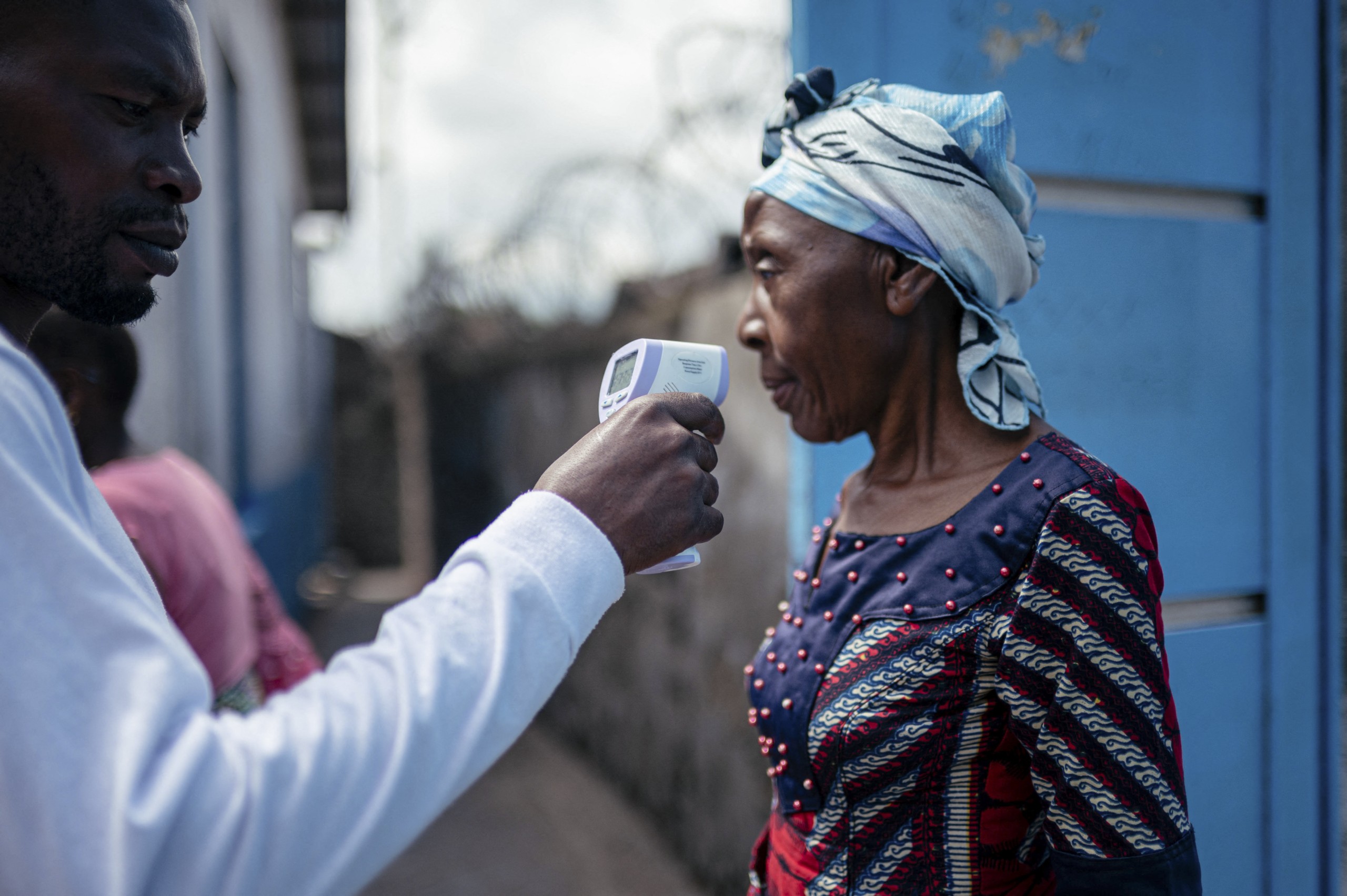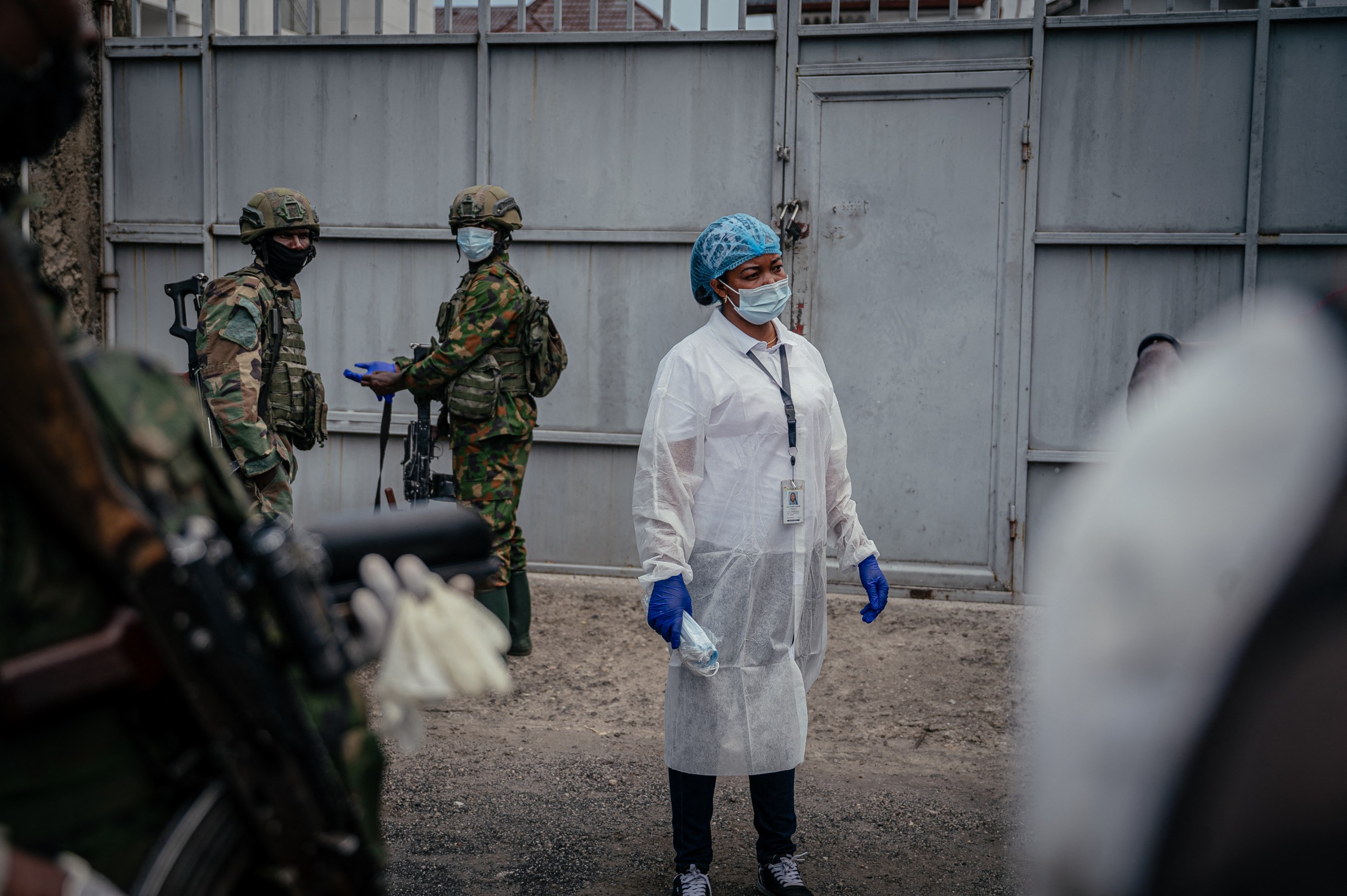
The worst Ebola outbreak ever recorded in the Democratic Republic of Congo has passed the 9 000-case mark, with deaths exceeding 4 000 since early October, health authorities said on Tuesday.
The outbreak has infected 9 066 people so far and caused 4 381 deaths, a fatality rate of 48,3%, according to a new report from the Congolese National Institute of Public Health (INSP).
The DRC officially declared the 17th Ebola outbreak in its history in mid-May, but experts believe the virus emerged weeks or even months earlier.
After starting in Ituri, in the northeast, the outbreak has spread to seven provinces in the north and east. So far, 2 389 recoveries have been reported.
Vaccine trial to launch before month-end
The first clinical trial of an Ebola vaccine will begin in the DRC before the end of October, World Health Organization (WHO) experts confirmed on Tuesday.
Health officials face a major challenge: no approved vaccines or treatments exist for the Bundibugyo strain of Ebola driving the outbreak.
Ervebo, a vaccine approved for use against the more common Zaire strain of Ebola, will undergo a full-scale human trial in the DRC to test whether it offers cross-protection against Bundibugyo.
“We have got strong reassurances that it should be starting before the end of this month,” said Anthony Scott, chair of the WHO’s Strategic Advisory Group of Experts on Immunisation (SAGE).
Initial doses of the Ervebo vaccine have been administered in recent weeks to frontline volunteers as part of early testing.
Multiple vaccines in development
The Tumaini trial in the DRC uses a single trial framework that can test multiple vaccines at once. The trial will eventually include two Bundibugyo-specific candidate vaccines, which are moving through earlier-stage, smaller-scale clinical trials.
The University of Oxford is developing one vaccine, a ChAdOx1 adenoviral vector jab. The other, by US-based Moderna group, uses mRNA technology.
Scott told a press conference the Tumaini trial “will generate urgently-needed data on the efficacy of Ervebo against Bundibugyo virus disease, and will help formulate the policy decisions we need”.
“In addition, we welcome the accelerated development of vaccines that are specifically targeting Bundibugyo. They’re both progressing rapidly through early clinical development,” he said.
Kate O’Brien, director of the WHO’s immunisation department, said a WHO technical advisory group would meet to review evidence from the small-scale trials of the Oxford and Moderna candidate vaccines.
She suggested the Oxford jab could move into the broader Tumaini trial fairly quickly, as doses are ready, if the safety and immunogenicity data from the first trial prove positive and reassuring.
Insecurity and distrust hinder response
SAGE said it remains deeply concerned about the ongoing challenges in controlling the Ebola outbreak.
“The key elements here are insecurity and population displacement, and they’re hindering access to care, disrupting surveillance, and delaying critical research, including, from our perspective, research on vaccine trials,” Scott said.
Healthcare resources are limited in the remote regions where the outbreak has spread. The presence of armed groups makes travel difficult.
Medical workers and humanitarian staff also face distrust from local communities, which has led to several incidents in recent months.
ALSO READ: Kenya records first Ebola death after man returns from DRC
The medical charity Doctors Without Borders is conducting a data-gathering study of Ervebo’s effectiveness in frontline health workers in DRC provinces hit hard by the Bundibugyo outbreak. The jab is offered to volunteers as an interim measure, though this is not a full clinical trial.
Historical context
The worst outbreak previously recorded in the DRC caused nearly 2 300 deaths out of 3 500 reported cases between 2018 and 2020.
Ebola, which is transmitted through contact with bodily fluids and causes severe haemorrhagic fever, has claimed more than 15 000 lives in Africa over the past 50 years.
The current outbreak is caused by the Bundibugyo strain of the virus, which is less common than the Zaire variant that has driven most past outbreaks.
ALSO READ: New Ebola outbreak in DR Congo declared international health emergency