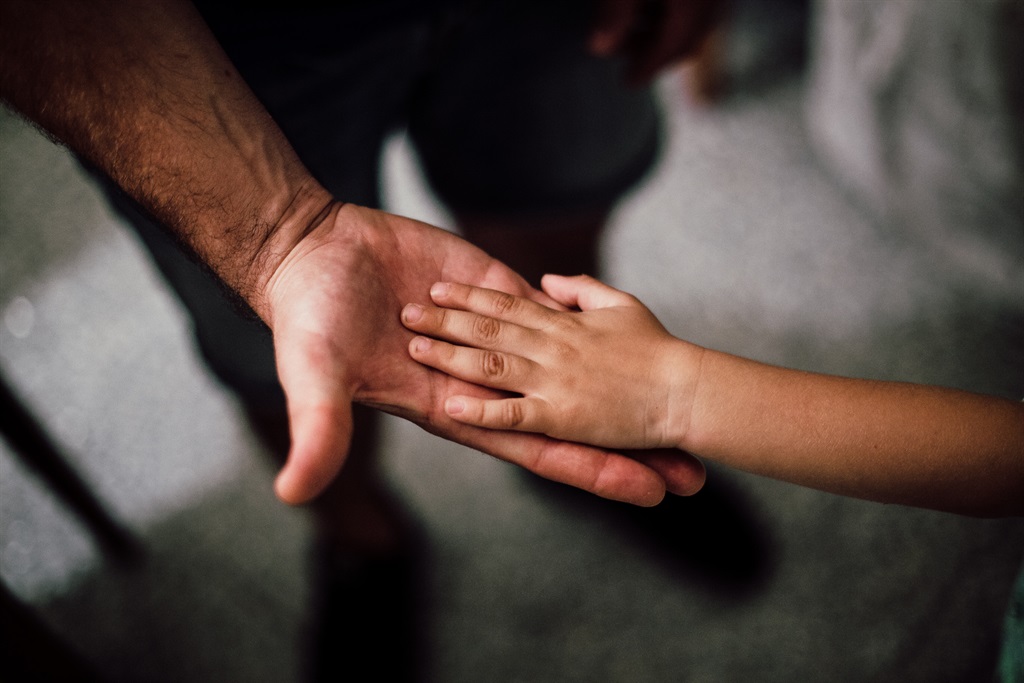

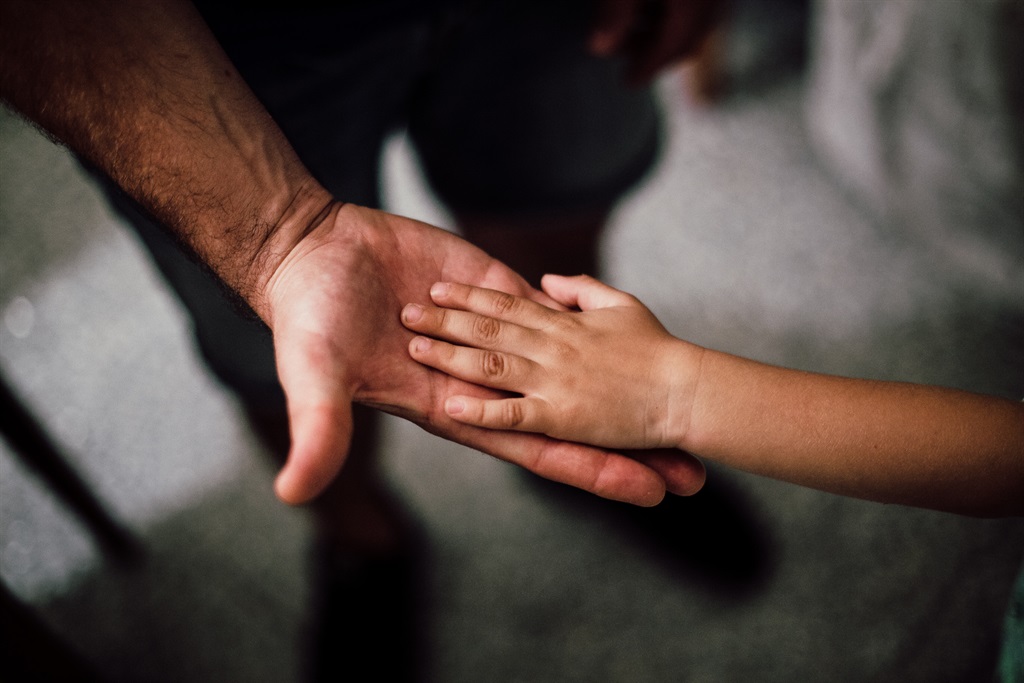
As adults we have the responsibility to teach young people to be safe and secure. If we instil in them a sense of how to avoid risks and look after themselves we can make a real positive impact on their lives. This, says armed response company Fidelity ADT, should be part of our focus during this year’s Youth Month.
“June is a month in which we commemorate the enormous sacrifices that were made in the struggle for a democratic South Africa,” says Charnel Hattingh, Group Head of Communications and Marketing at Fidelity ADT. “We think back on how far we have come, but we should also use the chance to remember what we can do to ensure a better tomorrow. A good place to start is by equipping young South Africans with the tools they need to be safe.
She explains that a lot can be done regarding safety close to places of learning.
“Areas around schools can be ripe pickings for opportunistic criminals. Children walking with their cellphones visible are particularly vulnerable, and incidents continue where learners are either held up with a weapon or conned into handing their phones over to a stranger ‘in need of help’.”
Other incidents common around schools are hijackings of parents waiting to collect children, armed robberies, and vehicle thefts.
“Criminals rely on the fact that parents are often preoccupied when dropping off or collecting children from school,” said Hattingh. “Everyone is absorbed in their own worlds, seldom noticing what is going on around them. This is the downside of routine and the humdrum of daily life.”
Vigilance is key whenever it comes to dealing with crime and criminals. You can make a massive difference by simply being aware of your surroundings and what people are doing in your immediate vicinity. By being vigilant and observant, you remove the element of surprise which criminals often depend on.
“Teach your kids this same skill. If they are out and about with friends, ask them to put down their cellphones and take the headphones off so they can focus on their surroundings,” Hattingh said. Another important part of the conversation one should have with children (no matter their age) deals with what they should do when things go wrong, and how to avoid potentially dangerous situations.
“Your children need to know that there are good and honest adults who want to help and are ready to come to their aid,” Hattingh points out. “Do your kids know how to contact the SAPS or Law Enforcement? Have you shown them how to find a security officer in a busy public space in case they get separated from you?
“Practice these scenarios with them so you can see exactly how prepared your children are for whatever happens to them. We have an important responsibility to leave behind a better world when we are gone. This starts by equipping kids today with the tools they need for a safer tomorrow.”