

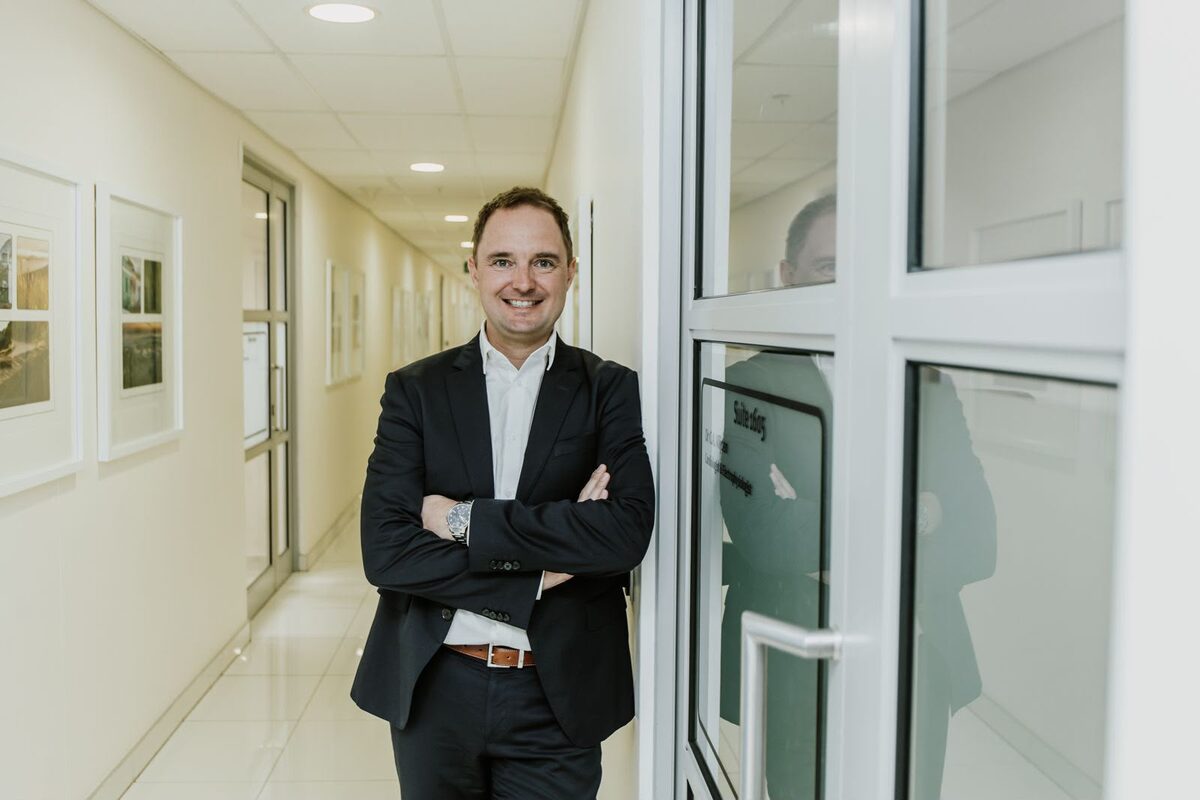
Local cardiologist and cardiac electrophysiologist Dr Charle Viljoen marked World Heart Day by urging the public to know their pulse and not ignore a heartbeat that feels unusually fast, slow or irregular.
Speaking ahead of World Heart Day on Tuesday 29 September, Dr Viljoen, who practises at Busamed Paardevlei Private Hospital, said the heart relies on its own internal electrical system – the cardiac conduction system – to function properly, and when that system goes wrong the consequences can be serious.
Hidden wiring
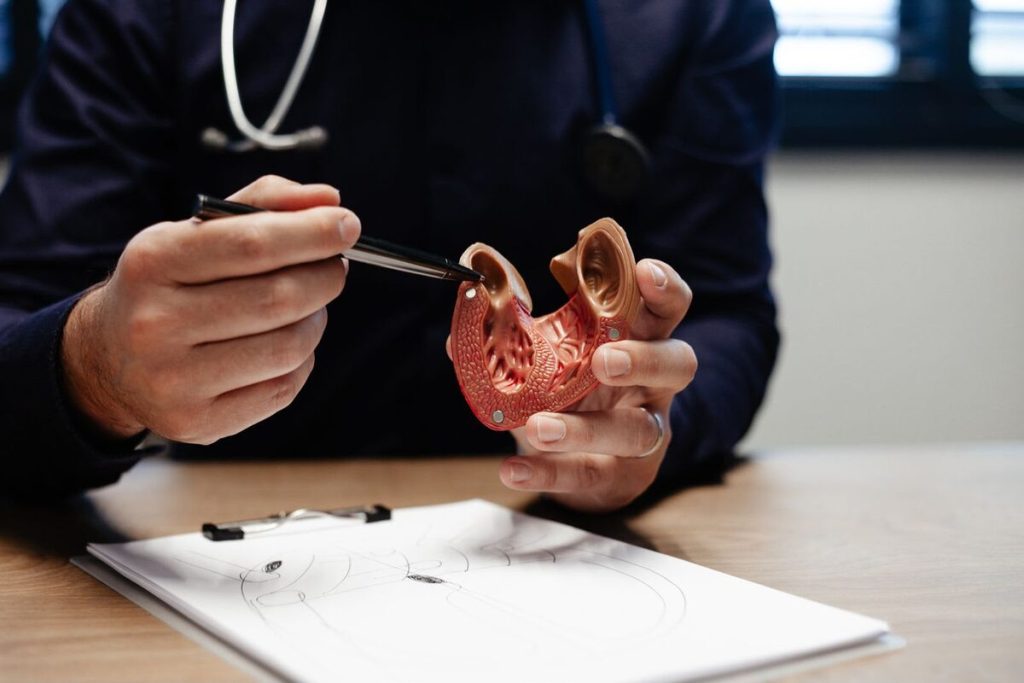
Dr Viljoen said every heartbeat starts with an electrical signal from a small group of specialised cells in the right upper chamber of the heart, called the sinus node, which acts as the heart’s natural pacemaker. The signal spreads through the upper chambers, causing them to contract and pump blood into the lower chambers.
A special structure called the AV node acts as a bridge between the the upper and lower chambers, from which the impulse travels rapidly through the ventricles so they can contract together and pump blood to the lungs and the rest of the body.
He said an electrophysiologist is a cardiologist who has specialised further in the heart’s electrical system and rhythm disorders. While a general cardiologist looks after the heart between muscle valves and blood vessels, an electrophysiologist focuses on rhythm disorders, pacemakers and catheter ablation. This is a procedure in which the area causing the rhythm problem is treated directly from inside the heart.
When the beat falters
When the heart’s natural pacemaker becomes too slow or the electrical signal does not travel properly to the lower chambers of the heart people may feel tired, dizzy or short of breath and some may faint. A pacemaker, a small device roughly the size of a wristwatch face placed under the skin, monitors the heart rhythm and delivers a tiny electrical impulse to stimulate the heart muscle when needed. Modern pacemakers can even recognise when someone is active and allow the heart rate to increase appropriately with exercise, while more sophisticated devices are used to help treat heart failure.
Abnormal heart rhythm
The most common sustained abnormal heart rhythm worldwide is atrial fibrillation, or AF, in which the electrical activity in the upper chambers becomes rapid and chaotic, causing the heartbeat to become fast and irregular. Some people feel palpitations or a fluttering sensation, while others notice tiredness or shortness of breath, and some have no symptoms at all.
Dr Viljoen said one of the major concerns with AF is the risk of stroke. Because the upper chambers are not contracting properly blood can pool and a clot can form. If that clot breaks loose and travels to the brain it can cause a stroke. AF can also weaken the heart muscle over time and lead to heart failure if the heart rate stays too fast for too long.
Smart detection
Because AF can come and go, by the time a patient sees their doctor the rhythm may be normal again. Dr Viljoen said the first test is usually a simple ECG, but portable heart monitors that record the rhythm over a few days can help capture an episode. Smartwatches such as Apple Watch and Samsung devices are also proving useful in detecting possible atrial fibrillation, particularly when episodes come and go. However, Dr Viljoen cautioned that an alert does not automatically mean someone has AF, and the rhythm still needs to be properly assessed and confirmed by a doctor. He said the devices are mainly designed to screen for AF and cannot reliably diagnose every other type of rhythm problems or detect a heart attack, so anyone with concerning symptoms should still seek proper medical assessment.
Taking charge
Once diagnosed the management of AF has several aspects. Firstly, stroke risk is assessed and a blood thinner – an anticoagulant, not aspirin – may be prescribed. Then doctors look at rate and rhythm control, which may involve medication, electrical cardioversion to reset the rhythm, or catheter ablation to treat the electrical problem causing the AF. During ablation specialised catheters are passed into the heart to treat the areas triggering the abnormal rhythm, most often around the pulmonary veins.
Dr Viljoen said preventing AF from returning also means addressing the factors that drive it, such as high blood pressure, diabetes, obesity, excessive alcohol and untreated sleep apnoea. Regular exercise is an important part of the picture too.
On World Heart Day Dr Viljoen’s message was simple: most of the time we don’t think about our heartbeat, and that is how it should be. But if your pulse repeatedly feels unusually fast, slow or irregular –especially with breathlessness, dizziness or fainting – have it checked. Know your pulse; don’t ignore a rhythm that feels different. That is what “Don’t Miss a Beat” means.”a Beat” means.



You must be logged in to post a comment.