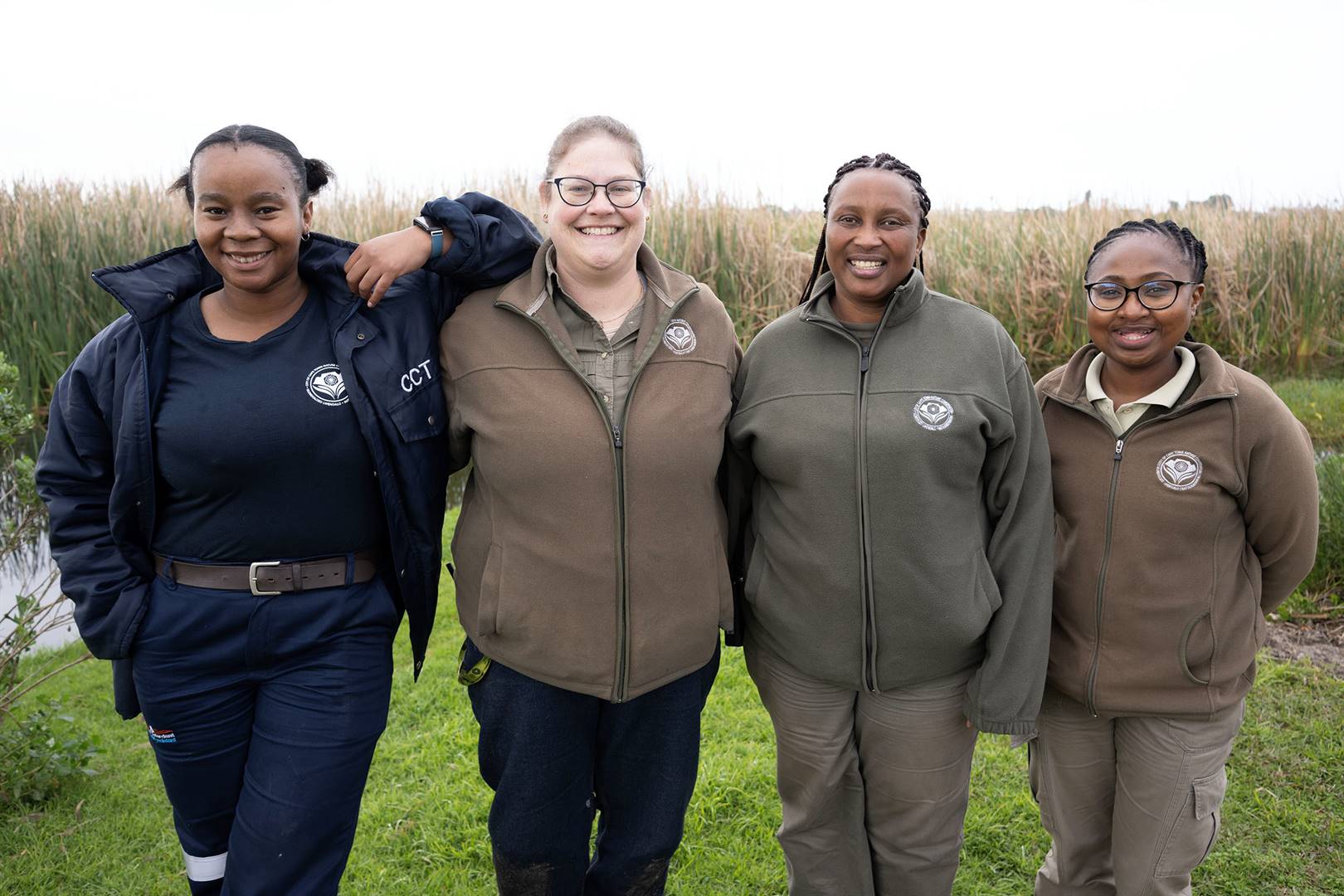

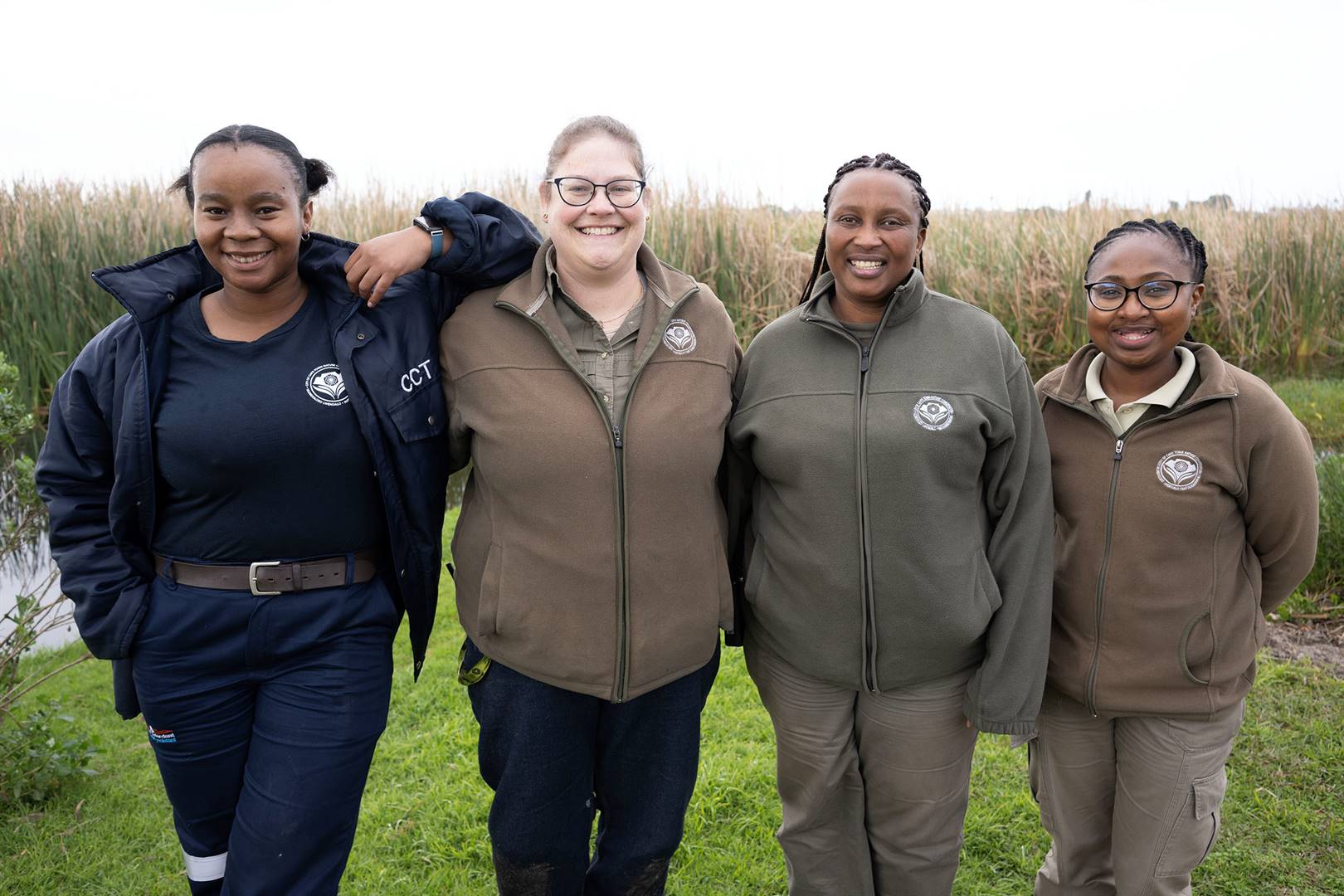
In recognising World Ranger Day, the City of Cape Town has honed-in on some of its women rangers to showcase their interesting jobs and find out what their experience has been like working at reserves.
Among three hard-working and nature-loving women praised for their work in safeguarding the future of the natural environment in an ever-growing city is Vuyokazi Rubushe, field ranger at the Helderberg Nature Reserve in Somerset West. Others include Victoria Day, reserve supervisor at the Zeekoevlei section of the False Bay Nature Reserve in Pelican Park, and Nwabisa Majali, senior field ranger at the Wolfgat Nature Reserve in Mitchell’s Plain.
“We currently have 25 field rangers, who are women, deployed at our reserves,” said the City’s Deputy Mayor and Mayoral Committee member for Spatial Planning and Environment, Eddie Andrews. “These include 10 reserve supervisors, 11 field rangers, one senior field ranger, two area managers and one regional head, all carrying a wealth of knowledge and experience in nature conservation.”
Over the past year the City has supported many ambitious and eager woman field rangers by funding various training courses and providing financial support to further their education. These opportunities included financial support to complete and obtain their matric certificate or a degree in Environmental Management and Administration, as well as their learners and driving licences. Various other training opportunities, such as Fire Marshall training; First Aid training; Snake Handling and practical courses to operate light equipment such as chainsaws were also pursued by this group.
In winter the field rangers focus more on soil erosion control and in the warmer seasons, their work includes the cutting of fire breaks, trail and picnic area maintenance and vegetation monitoring. Collecting rainfall, capturing it and feeding it to the South African Weather Services also forms part of their duties as well as bird counts, nocturnal animal night counts and small to large mammal surveys. Environmental education for visiting schools and groups is also provided by these rangers all year round. With the recent storms in Cape Town, many of the teams have been busy opening trails where trees have fallen so that these areas are safe for visitors to use.
Rubushe, who is from Khayelitsha, started her career at the City straight out of high school, and became a ranger after she had completed her learnership in 2016.
“I didn’t know we had hippos in Cape Town, and before I knew it I was doing my learnership at the False Bay Nature Reserve: Rondevlei section, where I had the opportunity to work with them. I then went on to completing another learnership at the Helderberg Nature Reserve, where I learned we have leopards roaming the mountains all the way through to the Steenbras side of the reserve.
“I’ve always loved nature and the outdoors and through these learnerships, I got a full-on experience in the nature conservation field, which led me into furthering my studies in Environmental Management. I am working to protect diverse ecosystems and endangered species, ensuring the survival of countless plants and animals. This is priceless to me.”
Rubushe formed part of a restoration project team at Helderberg Nature Reserve at one stage, where they cut pines from a pine plantation, scheduled an ecological burn on this section and in between collected seeds of four different Protea species in the reserve. These seeds were sowed about two to three months after the burn in efforts to restore the degraded habitat. She has witnessed the fynbos veld grow back, which is now as old as the time she has been at the reserve. Another of her highlights is conquering the Helderberg Dome four times already.
“Competencies such as knowledge of relevant environmental conservation legislation, as well as fauna and flora are essential when considering a career as a field ranger. This is also not an ordinary nine-to-five job, as field rangers are required to work in all weather conditions and must be willing to be on stand-by for disasters such as fires and oil spills. A certain level of physical fitness is also required to conduct the daily activities in and around the reserves,” said Andrews.
The minimum requirements to become a field ranger are as follows:
• NQF Level 2: With labour skills and valid certification of competency in the operation of small plant and equipment
• A Code 8 driver’s licence
• Two years practical experience of wildlife management, with specific skills in basic map reading and navigation
For more information on a career within Environmental Management at the City or skills development opportunities, visit: https://bit.ly/3ykDKeo and https://bit.ly/3WqhyYf.