
What is the Food Indaba, and what does the project bring to the table?The Food Indaba is a platform that brings stakeholders from across the food system together to discuss and address challenges related to food security, sustainability and health. Everybody eats, so everyone is connected to the food system, and we all benefit from a better understanding of these connections and how we can make the best choices for ourselves, our society and the planet. The project’s purpose is to foster collaboration, knowledge sharing and innovation in the food sector to ensure a more sustainable and just food system for all.
What inspired the Food Indaba?Food Indaba was inspired by the growing need for collaboration and innovation across the food system to address challenges such as food security, sustainability and health. We also come together through food and can help heal fractures in our society through shared food culture and the recognition that we are all in this together; everybody eats. The founders recognised the importance of bringing together stakeholders from various sectors to work towards a more sustainable and just food system for the future.
What does the project comprise?The Food Indaba comprises a series of events, workshops, discussions and collaborations aimed at addressing challenges in the food system. It brings stakeholders from various sectors together to share knowledge, best practices and innovative solutions to foster a more sustainable, healthy and just food system. It also raises awareness and understanding within society of the issues and opportunities, and helps motivate and link people to ways they can make a difference.
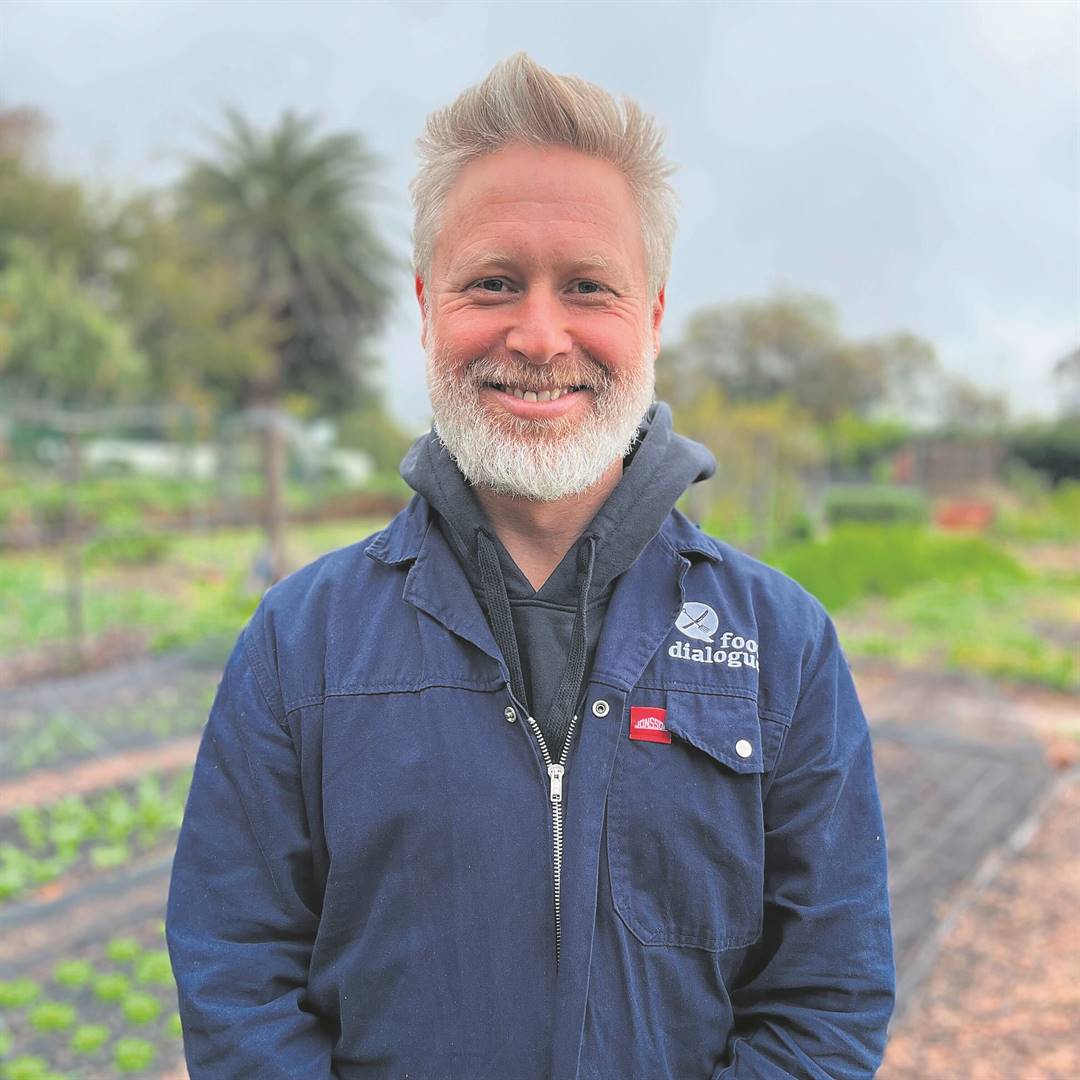
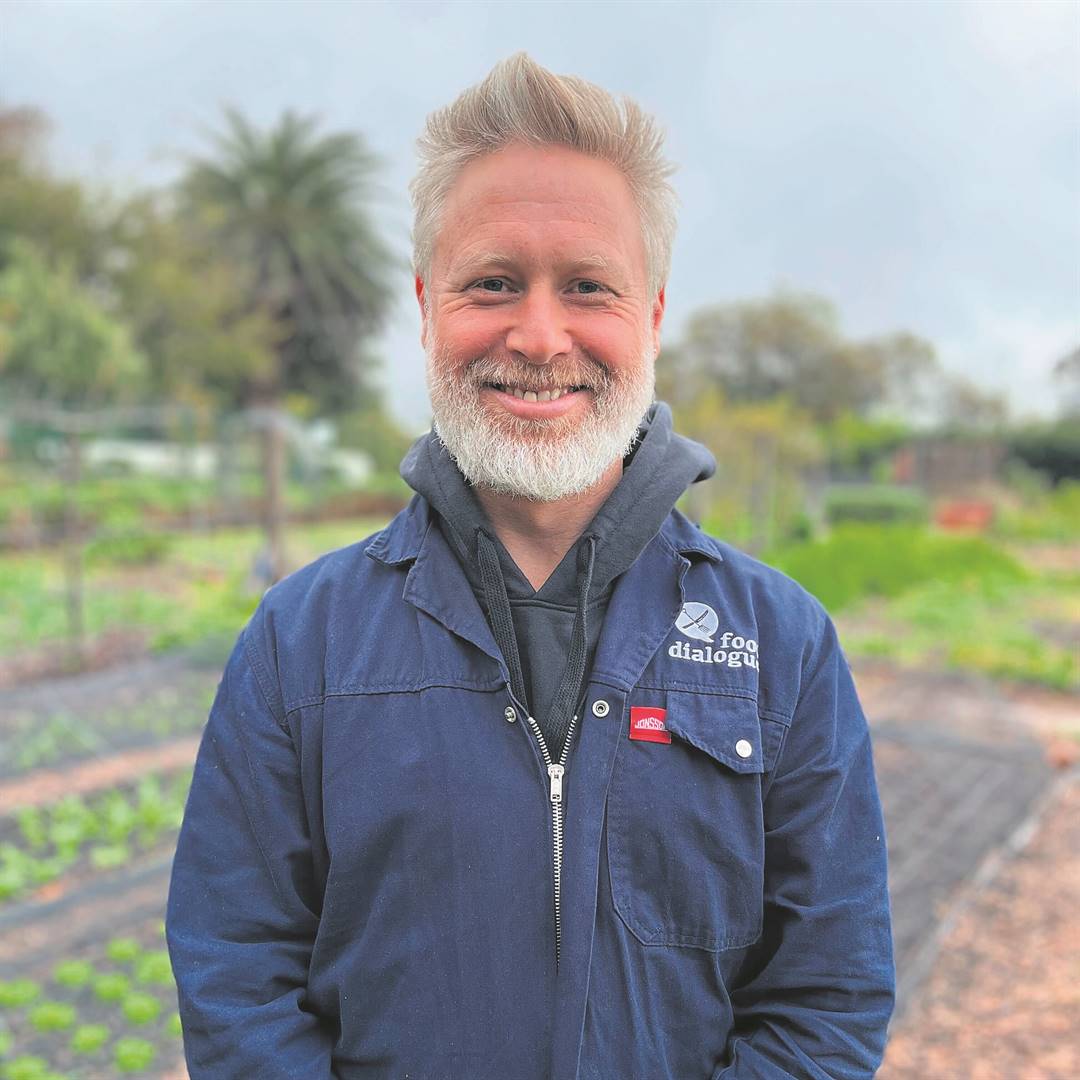
What role do you play, considering your function?Together with Kurt Ackermann and the SA Urban Food & Farming Trust (SAUFFT) team, I conceive each year’s theme and the ways in which the two-week programme can best explore it. A lot of my work is to create enough of a range of events that we can speak to a great diversity of people, making the theme and the food-system issues we are exploring relevant as widely as possible. I’m responsible for creating and executing a cohesive programme.
In a nutshell tell us more about you and the journey that led you to become involved with the Food Indaba?I’ve been running a tour operator since 2005, that has a big focus on culinary travel in different African cities. We’ve always created and offered food tours that focus on telling the stories of the cities they run in, bringing indigenous narratives to the fore, spotlighting food stories that are often absent, putting international culinary trends in a city in the context of the indigenous. So the Food Indaba’s objectives are a natural fit, and the complexity of multi-city tours with a wildly diverse supply chain and divergent perspectives and challenging logistics match well with the complexity of running an event programme like the Food Indaba. When SAUFFT put a call out for an event project manager it seemed like a very good fit, and a lovely opportunity to build skills in a different space. Kurt and I had worked together briefly on tourism initiatives a decade earlier, and already had much love for each other’s work and approaches to work.
Who does the Food Indaba target?The Food Indaba is for everyone who eats as much as it is for stakeholders in the food system, including farmers, producers, distributors, policymakers, researchers and consumers. It aims to bring a diverse range of individuals and organisations together to collaborate on addressing challenges and promoting positive change in the food system.
What can locals look forward to?Those attending the Food Indaba can expect a diverse and engaging programme featuring a range of events and activities for all interests. Highlights include public conversations on the state of the city food system reports, participatory workshops such as foraging for weeds to prepare healthy, nutritious dishes, cooking and eating workshops for kids and adults, unpacking of the hidden connections between our personal households and the broader economy (and how it affects us), food systems walking tours in Cape Town, masterclasses on food systems, tea sessions with local farmers and dialogues on topics like sustainable oceans and wine pairings with traditional African dishes. The conference will address themes of hunger and power, offering a comprehensive and interactive experience for participants.
What is special about this year’s instalment?I love that we are taking things back home, kind of. The economics of the home, the connection between what food choices we make and the impact they have on the economy, and in turn the economy and how it impacts on the food choices we make in the home – are we in an endless loop? How do we find agency again? The market economy has its origins in food surplus, and these surpluses were created out of the home. So historically home is central to the economy. Cape Town has such diverse and rich home-based food economies, how do we celebrate this, and spotlight them in an economy that tends to disregard the home? These are some of what make this year’s edition particularly special for me.V For more information on the Food Indaba, visit https://foodindaba.org/.