

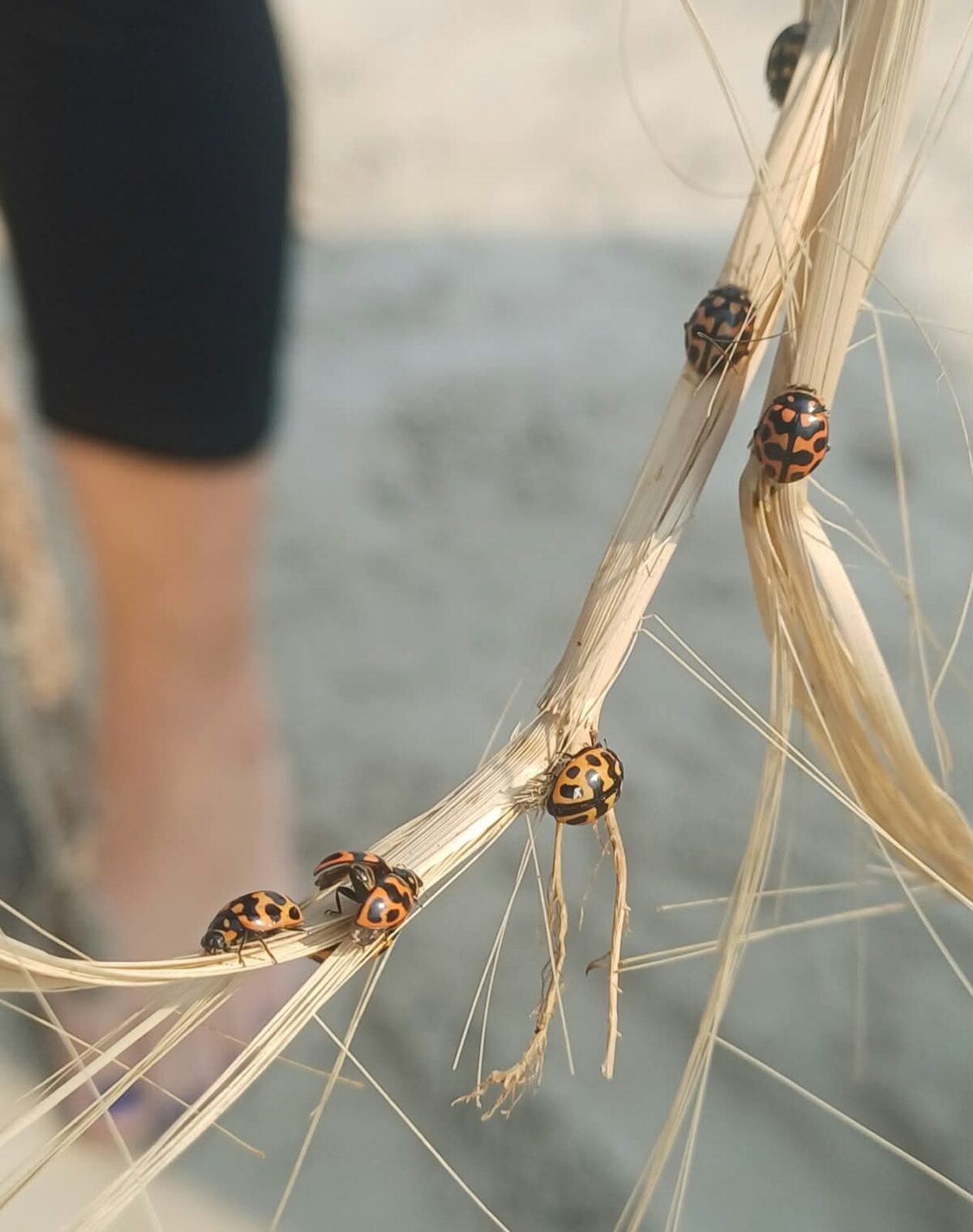
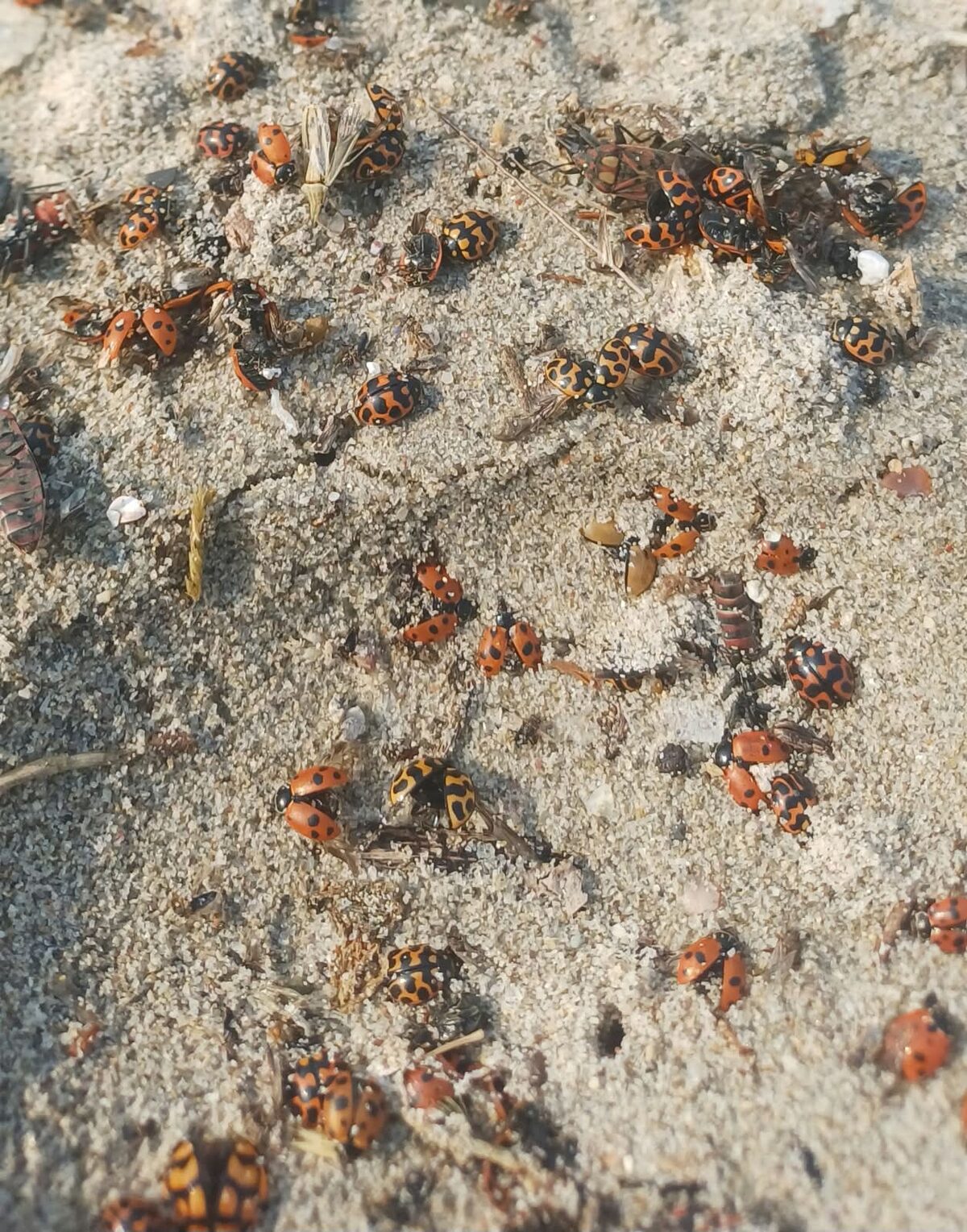
Beachgoers along Strand Beach were treated to a rare natural spectacle over the past weekend as thousands of ladybirds washed up along the high-tide mark, with a remarkable number surviving the ocean ordeal and crawling onto dry sand.
Similar mass washup events have been reported nearby Gordon’s Bay and further north in Lamberts Bay on the West Coast over recent days.
Local biodiversity consultant Silvia Kirkman noted the vast scale of the event along the Strand coastline, observing thousands of beetles lining the shore.
Citizen science identifies three distinct species
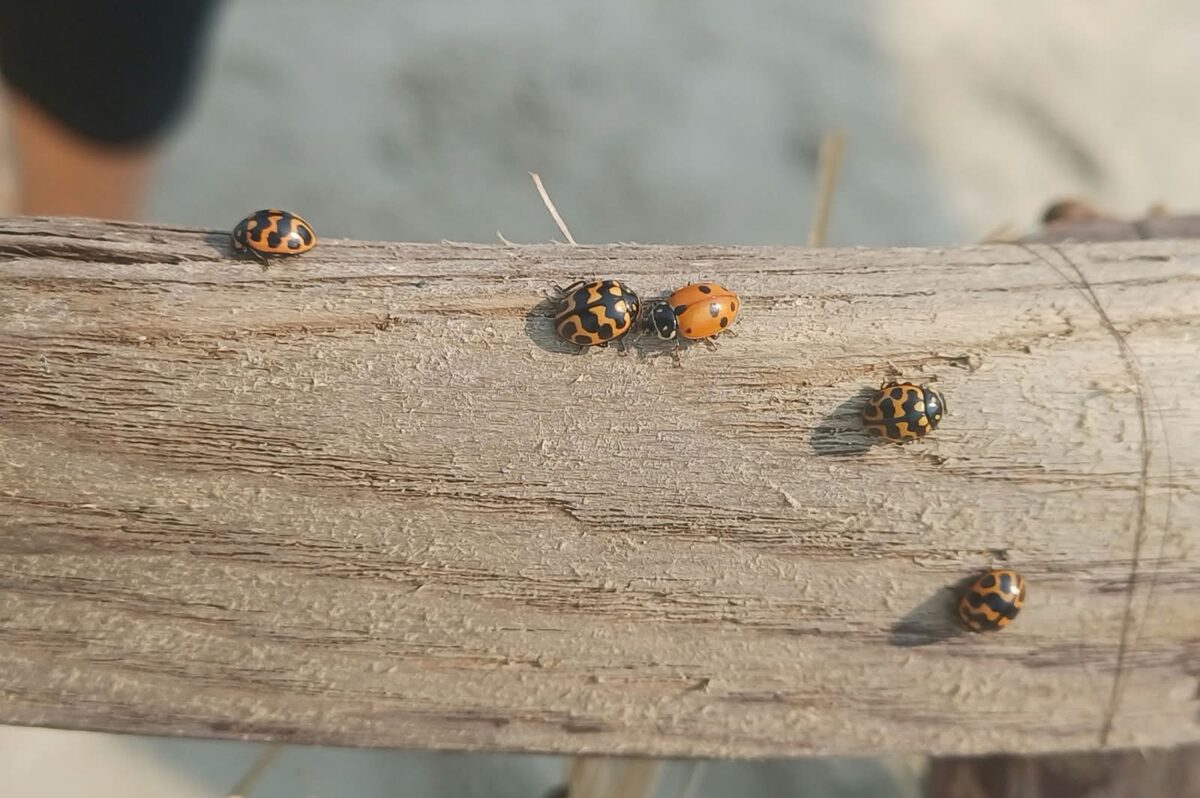
Analysing photos uploaded to the citizen science platform iNaturalist, beetle experts confirmed three primary species present in the Strand washup:
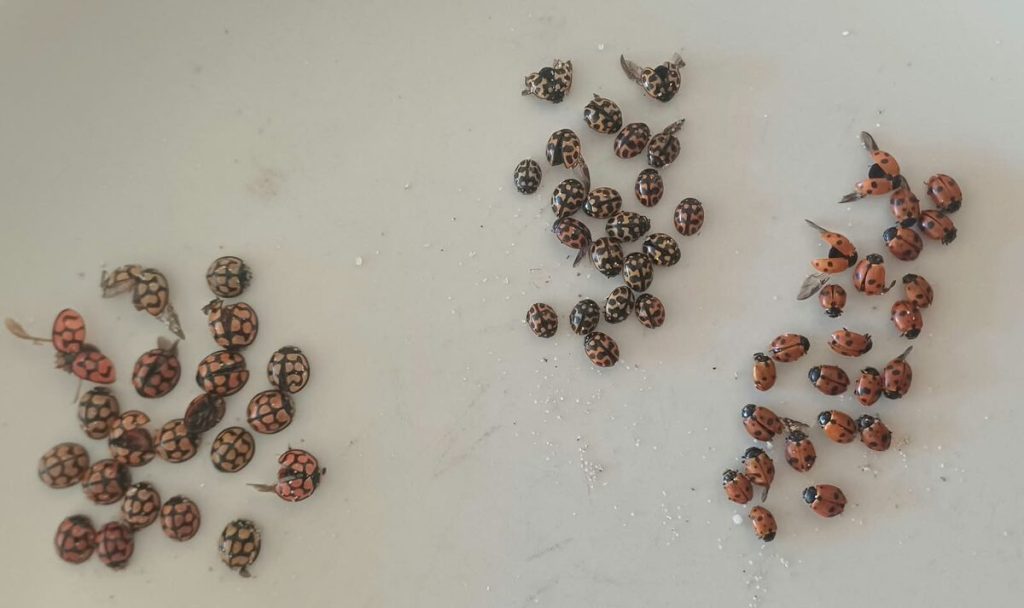
- Lioadalia flavomaculata: A widespread, indigenous ladybird native to southern Africa.
- Lunate Lady Beetle (Cheilomenes lunata): A common indigenous species throughout South Africa.
- Variegated Lady Beetle (Hippodamia variegata): An exotic species common around the world, believed to have arrived in South Africa from Europe around 1967.
Reassuringly, experts noted that the harmful alien invasive Harlequin Ladybird from Asia was absent from the washup.
Lisa Starr, founder of the Helderberg Ocean Awareness Movement, noted that while the occurrence is unusual, local ocean watchers have encountered it in recent years.
“I have seen this happen before, in 2020 I think, but since then I haven’t witnessed such a phenomenon,” said Starr.
The science behind mass ladybird washups
Though dramatic, ladybird washups are documented natural events where hundreds, thousands, or occasionally millions of beetles end up along ocean shores and lake banks. The largest washup on record occurred in 1939 along 21 kilometres of Egyptian coastline, involving an estimated 4.5 billion ladybugs.
Entomologists explain that ladybirds migrate over long distances using warm air thermals and gentle breezes to ascend to altitudes between 150 and 500 metres. These mass flights are typically triggered by warm, sunny conditions as beetles search for new feeding grounds when local aphid populations decline, or seek shelter from cold weather.
When migrating swarms encounter sudden offshore wind shifts or cold air downdrafts over open ocean waters, they are forced downward into the ocean. However, ladybirds possess remarkable floating capabilities, surviving in sea water for up to 150 to 180 hours until ocean currents wash them ashore, where they dry off and crawl away.
Local anglers note changing seasonal patterns
Local fisherman Riaan Rademeyer noted that while ladybirds are usually a late-spring sight in the False Bay region, their early arrival has caught attention.
“They normally show up en masse around November, but they are around now. They have been coming in ‘thick’ for the last four years at Macassar Beach, specifically towards Monwabisi. They definitely prefer warm, windless days, especially around November and December, while horseflies usually show up earlier in September,” said Rademeyer.
With mild weather persisting, coastal residents and visitors are encouraged to step carefully along the high-tide mark while these beneficial garden predators dry off and resume their journey.



You must be logged in to post a comment.