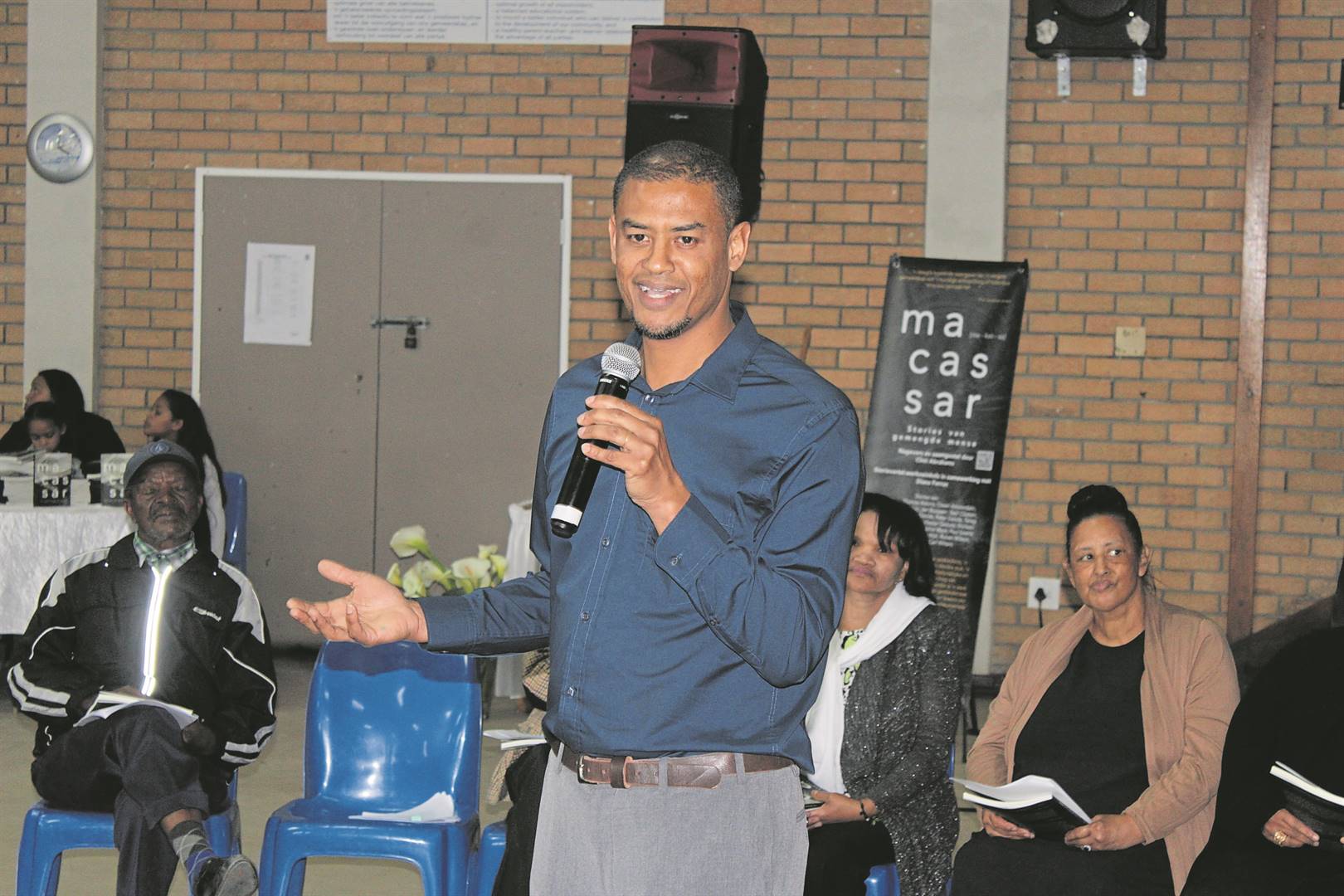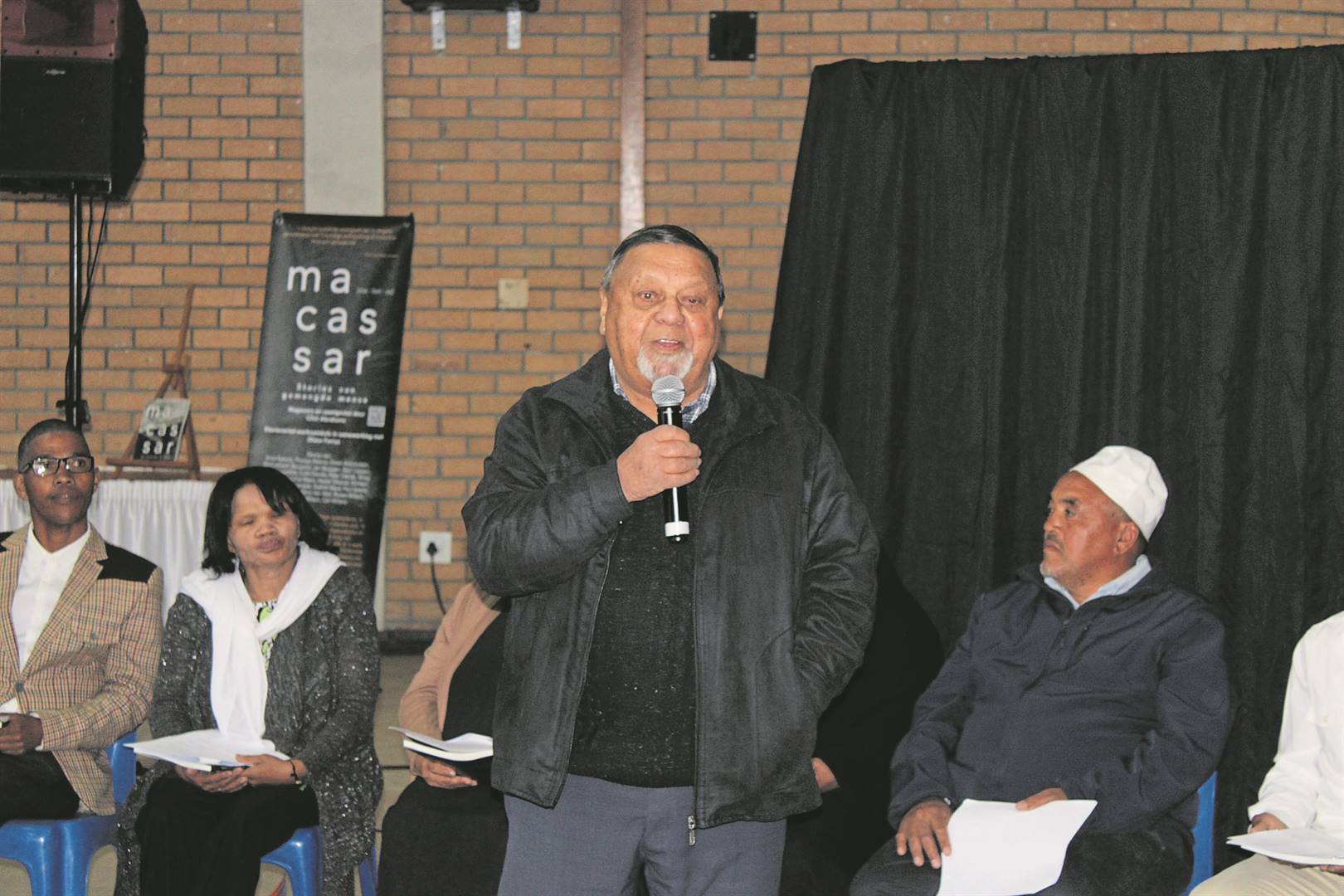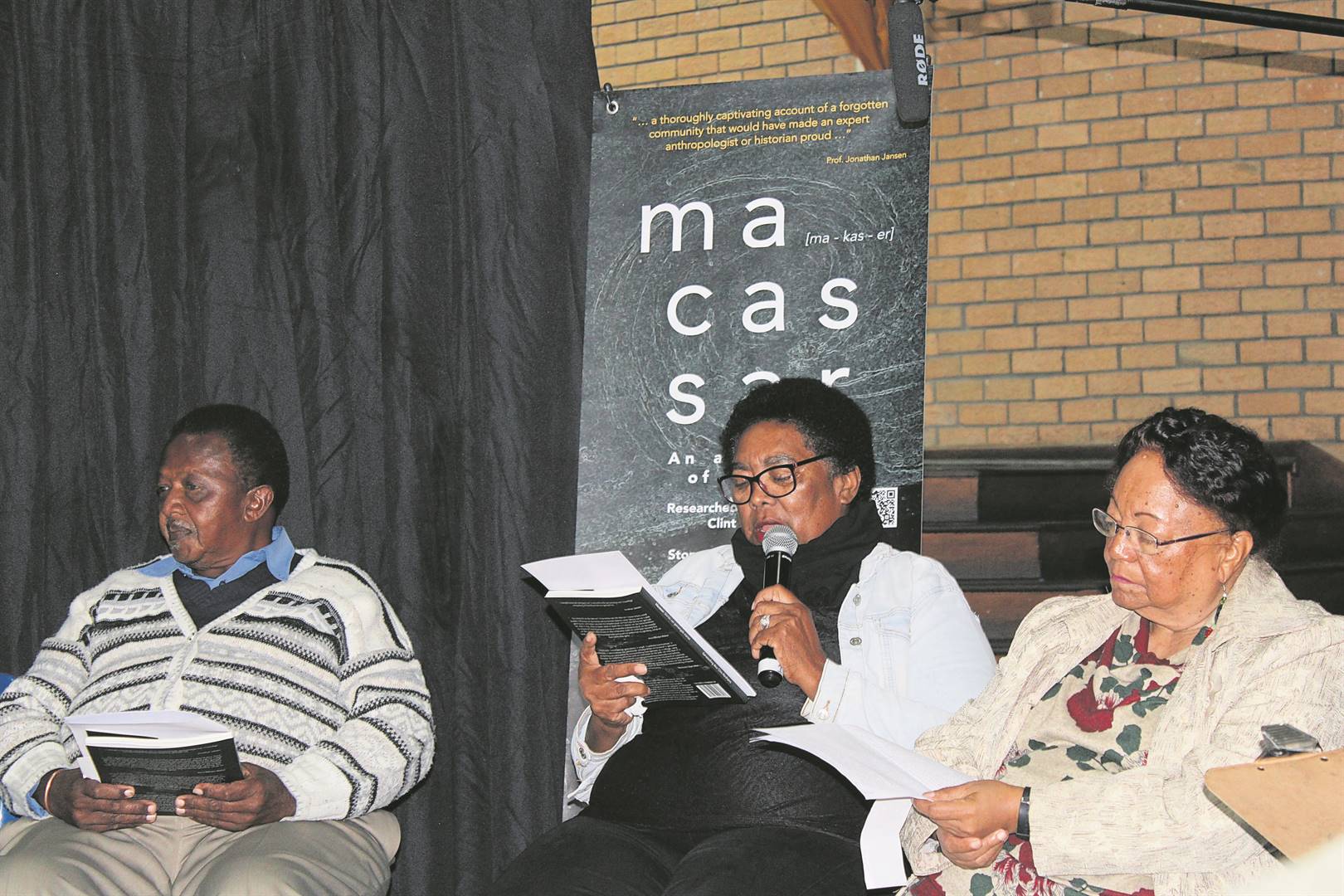


In commemoration of Heritage Month Macassar launched a groundbreaking community storybook celebrating unity, cultural diversity and social cohesion.
“The one-of-a-kind book offers the ordinary person’s perspective of their hometown and focuses on celebrating the making of contemporary culture by unexpected people and places,” shared Clint Abrahams, senior lecturer at the University of Cape Town, architect and Macassar native.
According to Abrahams the community storybook, Macassar: An Anthology of Stories, builds on two award-winning projects conducted in Macassar, an exhibition and the refurbishment of a local shack for storytelling and other community gatherings.
It all started when 20 youngsters came together under Abrahams’ guidance for a street photography project in 2018. The aim was to challenge deeply ingrained perceptions of Macassar and inspire residents to embrace responsible citizenship. The exhibition, “Macassar: Who We Are,” showcased photographs from the community, sparking conversations among residents.
The installation was spread across three local sites: the Macassar Library, Thomas Adonis’ shack (known locally as Bong’s Inn or Bong se Yard), and Paul Swartz’s home in Ring Avenue. Adonis’ shack’s leaking roof led to a community-driven refurbishment project involving students and staff from UCT, CPUT, RWTH Aachen, and PBSA Dusseldorf, Germany.
These projects, underpinned by academic research, earned Abrahams numerous accolades, including the UCT Creative Works Award in 2019 and the UCT Social Responsiveness Award in 2022.
“The refurbishment of Adonis’ shack created a vital gathering space for community events” shared Abrahams. “During the Covid-19 pandemic it became an important site for memorial services. It has also become an architectural reference for UCT BAS students, offering fresh perspectives on community architecture.”
“The street photography project serves as a crucial visual archive, capturing a pivotal time in Macassar’s development. The storybook chronicles the township’s history through the experiences of its residents, facilitating both healing and envisioning a better future.
The book emphasises the significance of Sandvlei, Die Kramat, and the Deep Freeze communities in Macassar’s culture. The stories reference the Khoi, Shaykh Yusuf, the old Zandvliet Farm, and the origins of the Deep Freeze army camp.
The storytellers include Enid Adonis, Thomas Adonis, Owen Amsterdam, Abdusalaam Benjamin, Jan Booysen, Saul Claasen, Anita Constable, Colin Davids, Peter Davids, Taliep Edwards, Rosaline Etson, Hester Geduld, Shirleen Hopley, Jonathan Isaacs, Sophia Jantjies, Sophie Mack, Paul Swartz, Daniel van Wyk, Mario van Wyk, Ruben Wilson, September Wilson, Carl Wilters and Abrahams himself. Other contributors are Thys Abrahams, Shahied Alexander, Eileen Booysen, Allie Edwards, Boet Hendry, Martin Hopley, Ebrahim Rhoda, Sydney Samuels, and Mervyn Speelman.
Illustrations were completed by UCT students Rayhaan Hamed, Shaye Ramsey, Aydan Wiggill, and Khiara Singh.
The storybook was launched on Sunday 15 September. The afternoon launch event featured special guest writer Diana Ferrus, who collaborated on storytelling workshops using her poem “Ons Komvandaan.” Another guest of honour was Stellenbosch University’s Professor Jonathan Jansen, who wrote the foreword for the book, emphasising that humans actively shape their own stories despite colonial and apartheid legacies.
“The book encourages readers to view Macassar differently, showcasing how it is continuously reshaped by ordinary people,” said Abrahams.
The event included readings by the storytellers, a Q&A session led by Ferrus, and the unveiling of a temporary exhibition curated by Abrahams, with storytelling music directed by Lionel Konstabel. Those attending were invited to visit the exhibition in the shack documenting the making of the book.
Asked about the impact of the storybook, Abrahams said: “The book has already impacted the community through its archival process and rebuilding of important community places. It enables the experiences of Macassar to be accessible to a broader audience and connects Macassar to important historical events.
“The book is a framework that can develop over time to become a more comprehensive account of Macassar experiences. It also offers insights to inspire other communities to embark on their own storytelling projects.”
Abrahams highlighted future plans, including promoting the book, recognising the storytellers as key contributors to Macassar’s archival memory, distributing it to Western Cape libraries and exploring creative ways to present the book to a broader audience.