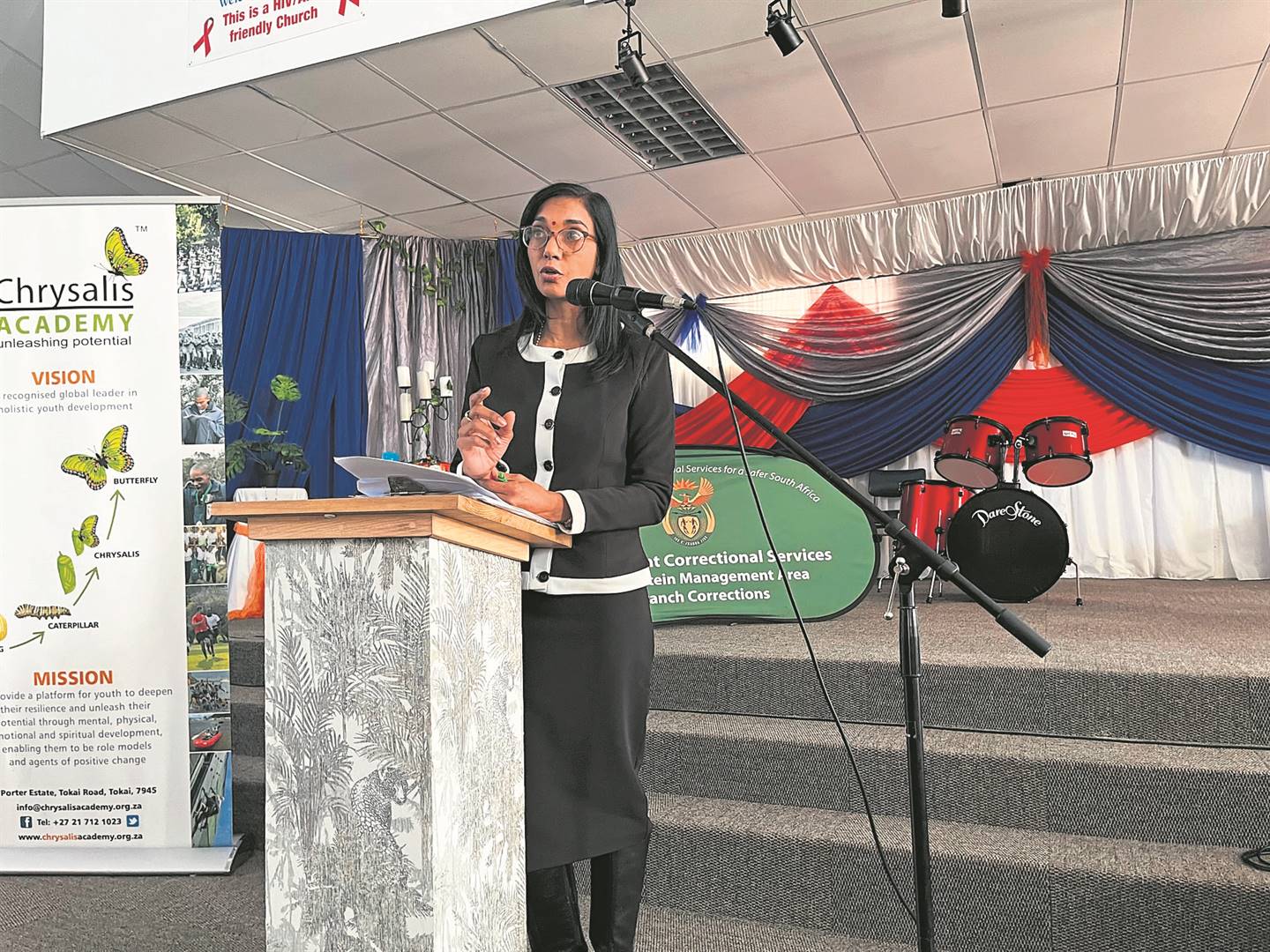

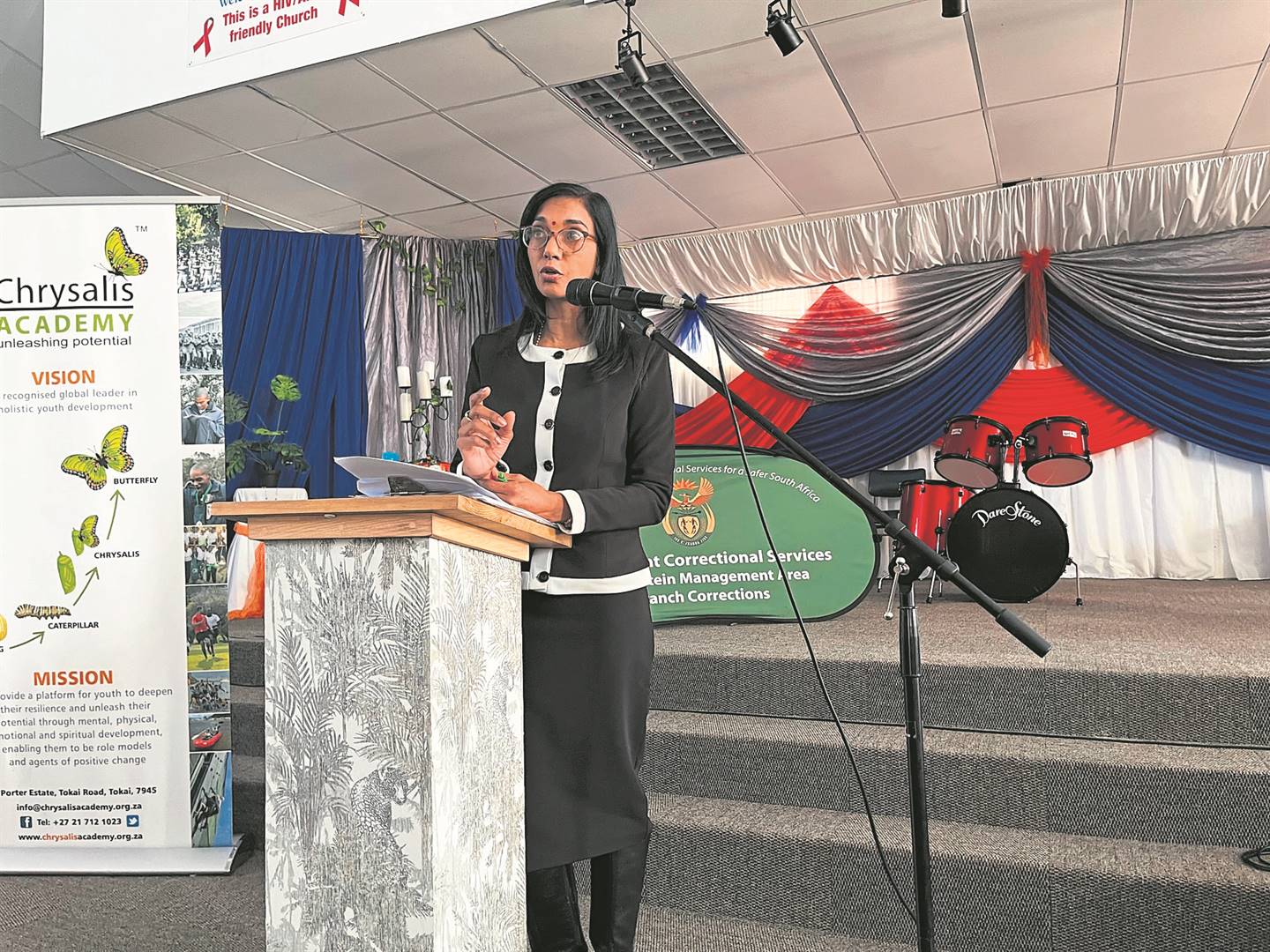
Strand’s first violence and crime prevention summit took place last Friday (5 May) with one goal in mind, to curb crime.
The summit was held at Bethesda Evangelical Church in Broadlands Park, an area known for its crime and violence.
Brendyn Alloys from Badisa Strand opened the summit after an opening prayer by Pastor Collin van Wyk.
“According to the police, true violence prevention involves the whole of society working together consciously and sustainably to remove sources of harm and inequality, and fostering a culture of mutual respect that is key to building peace in society.”
He encouraged everyone present at the summit to talk about crime and to find solutions for it locally.
The summit was attended by representatives from Badisa Strand, the provincial cluster of the Community Policing Forum (CPF), South African Medical Research Council (SAMRC), University of South Africa (Unisa), Department of Correctional Services and representatives from the Strand Magistrates’ Court and a senior public prosecutor from Khayelitsha Regional Court.
Jade Morkel and Pascal Richardson from Unisa’s Institute for Social and Health Sciences addressed visitors with their talk on the status of crime in communities such as Strand.
“We have worked in the Strand community for the past 20 years with various NGOs,” Richardson said. “We are currently conducting four research studies in this community. Violence is not only an issue nationally, but also locally.”
She mentioned that in Strand young people aged from 14 to 35 years old die violently.
“Children and youth don’t die natural deaths, but violence claims their lives. Men who live in a low-income-community are also (most of the time) perpetrators of these crimes.”
Richardson and a team are busy evaluating the needs of the communities and they actually go out in the communities and do interviews with locals on the ground.
“With our contact crime study in the Strand we looked at all contact crimes reported at Strand police,” Morkel said. “A contact crime is basically one where a victim comes face to face with a perpetrator. These include crimes such as sexual assault, murder, common assault and so on.”
She mentioned current statistics, from June to December 2022, showed most victims were either women or men in their early 30s.
“The external force of injuries are sustained by blunt objects. This is either a physical impact or a fall. More than 50% of these crimes occur in the victims’ homes.
“In most cases the perpetrators are known to the victims.”
Morkel said conflict and violence are some of the major contributors to these types of crimes.
Sarita Nilraj, a senior public prosecutor at the Khayelitsha Regional Court, gave some insight from the court’s side and how it deals with these perpetrators who have been arrested or charged and now have to appear in court.
“My role as prosecutor starts with a docket on my desk,” she said. “Before that docket reaches my desk I have no clue of the crime or what happened there. I do not know Mr X who kicked his wife.
“I only see statements in the docket and that is how I start to build a picture on the case. My job then is to receive the docket and read it. Me and my team’s job is then to make sure there is a ‘prima-facie’ case. In other words that there is positive evidence to link this crime to this accused person.”
Nilraj said that every single perpetrator is free until he/she is found guilty of a crime.
“I am the people’s lawyer. I have to be fair to everyone in the community. When you hear that a matter has been withdrawn then visit the court to find out why the case has been withdrawn. There is always a valid reason for a withdrawal.”
She mentioned the number 1 complaint she has and why cases are withdrawn is because witnesses don’t show up in court.
“We as a community need to stand up to crime. How can we do that? We can show up to court if we are witnesses to a crime. Take the court’s hand and show up to give your statement as a witness.”
Ursula Davids from the community said it does not help to march to the police station.
“We don’t sing happy birthday anymore,” she lamented. “We say our condolences because our children are dying. These perpetrators need to think before they do. How will you feel if you are in jail and you hear your mother has passed away and you can’t attend her funeral? We as a community need to join forces to change the crime situation.”
Alloys said this was the first of many summits that will still take place in Strand to address to influx of crime.