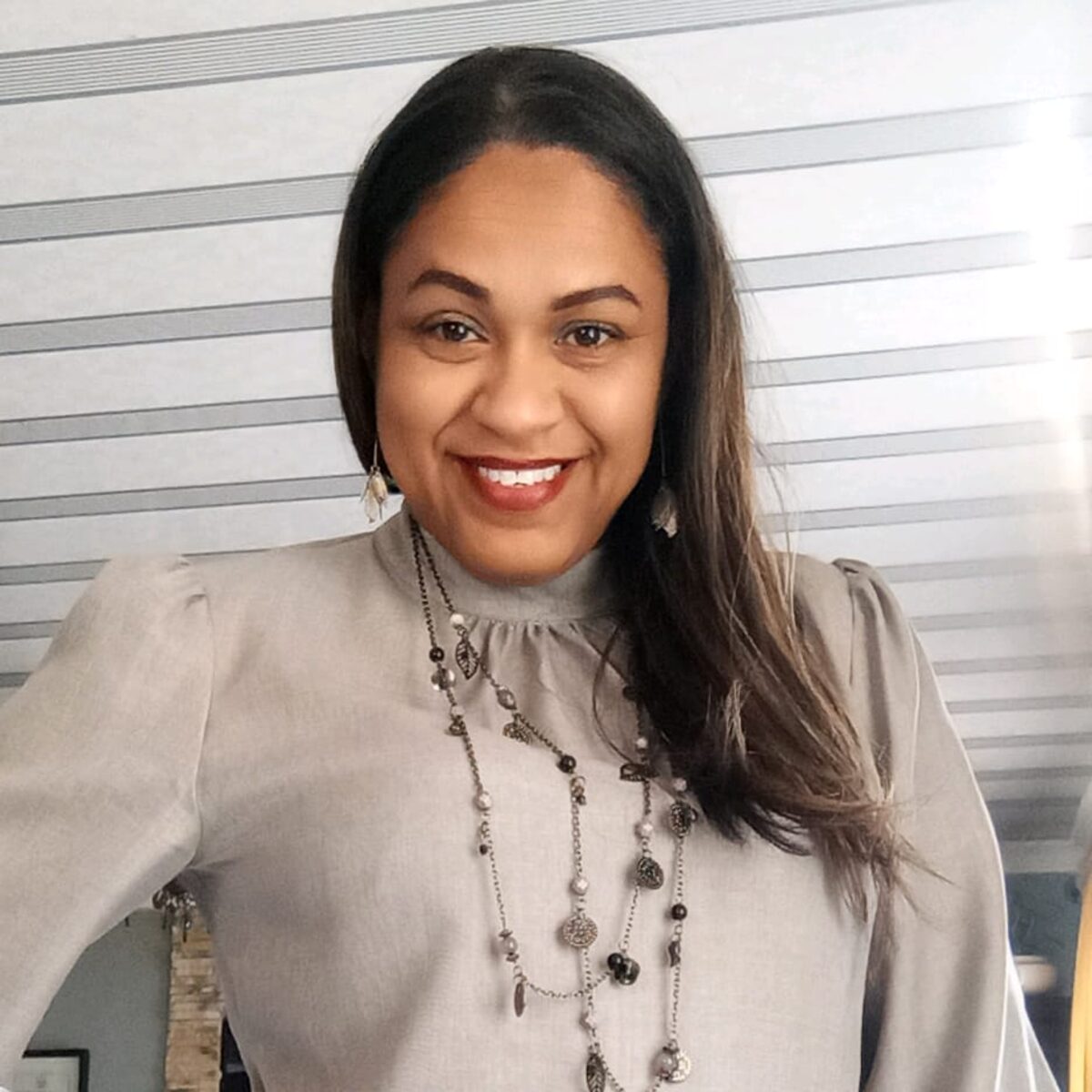

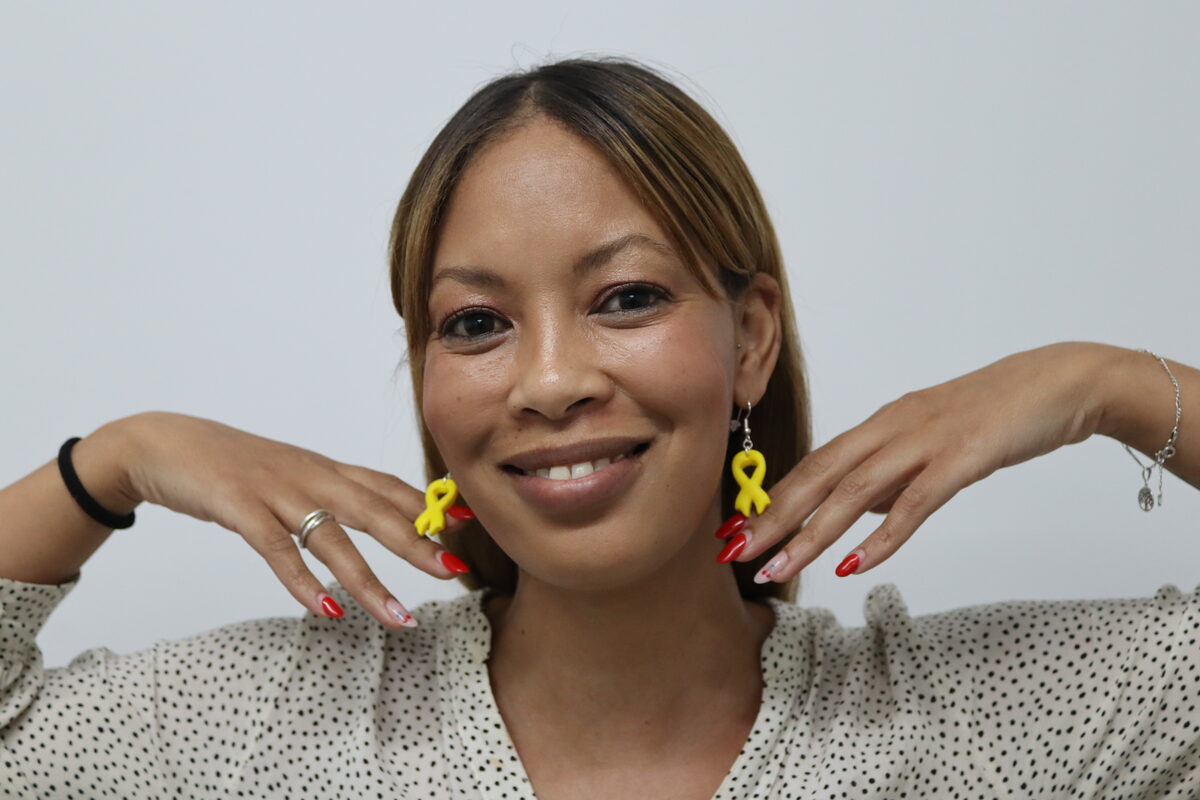
Mikal Roman has had enough of endometriosis ruling her life and preventing her from speaking out.
The Strand resident is raising her voice and being candid about living with the condition this Endometriosis Awareness Month (March).
Endometriosis is the presence of endometrial tissue, glands and stroma anywhere other than where they should be, lining and filling the uterus’ endometrial cavity. That hollow space plays a crucial role in reproduction, including implantation and pregnancy.
They somehow find their way to the pelvis, upper abdomen, lungs and even the brain. This results in symptoms such as chronic pelvic pain, painful intercourse, infertility, abnormal uterine bleeding and any other bowel or bladder-related symptoms.
Roman was diagnosed with the condition almost 10 years ago. As a teenager, she started struggling with severe abdominal pain.
“I am a very heavy bleeder and I used to be sent home from school because I would faint,” the 40-year-old recalled.
By her mid-20s the pain had become unbearable. This had an adverse effect on her work and personal life, as well as a negative impact on her mental health.
“I would lie on the floor in the foetal position, crying from the excruciating pain. It felt as if somebody with long witch’s nails was carving through my stomach.”
Mikal Roman
It is when a former colleague, who suffered from the same condition, approached her and suggested her symptoms may be endometriosis. Despite Roman’s own subsequent research, her doctor dismissed her.
Reluctantly, she was given a referral letter to a gynaecologist, who scheduled her for a laparoscopy – a surgical procedure to examine a woman’s pelvic organs; a thin-lighted tube with a video camera is placed into the stomach via an incision.
Roman was officially diagnosed at age 30. “It was a relief to finally put a name to what was wrong with me, but also sad because I had a chronic disease for which there was no cure.”
Professor Thabo Matsameng confirmed there is no cure for endometriosis. With more than 15 years of treating the condition, the head of the Clinical Unit for Reproductive Medicine in the Department of Obstetrics and Gynaecology at Tygerberg Hospital pointed out that “because of pain and infertility the majority of patients with endometriosis suffer anxiety and depression”.
He said diagnosing endometriosis is quite simple. When a general practitioner has a strong suspicion, from their examination and the patient’s history, a referral to a gynaecologist is needed.
A gynae will conduct a pelvic ultrasound that can confirm endometriomas ovarian cysts, while a laparoscopy will confirm the endometriosis lesions.
Once a patient has been diagnosed, a regime for managing pain can include any analgesic medication or hormone-suppression method. If these do not help, the endometriosis lesion will be surgically removed through a laparoscopy, enabling the anatomy to be restored so the patient can proceed with conception strategies.
“The condition is not fatal and can be managed,” Matsameng emphasised, adding it’s best for patients to be managed by clinicians with expertise in dealing with endometriosis, especially if they are considering conceiving.
Roman continuously takes anti-inflammatories and avoids flare-ups by adopting a plant-based diet.
On turning 40 in January, she decided to bring awareness of endometriosis to others.
“I’d had enough of feeling ashamed and guilty because of my condition. I want young girls, who are still learning to understand their bodies, to know that bad periods and being in excruciating pain are not normal.