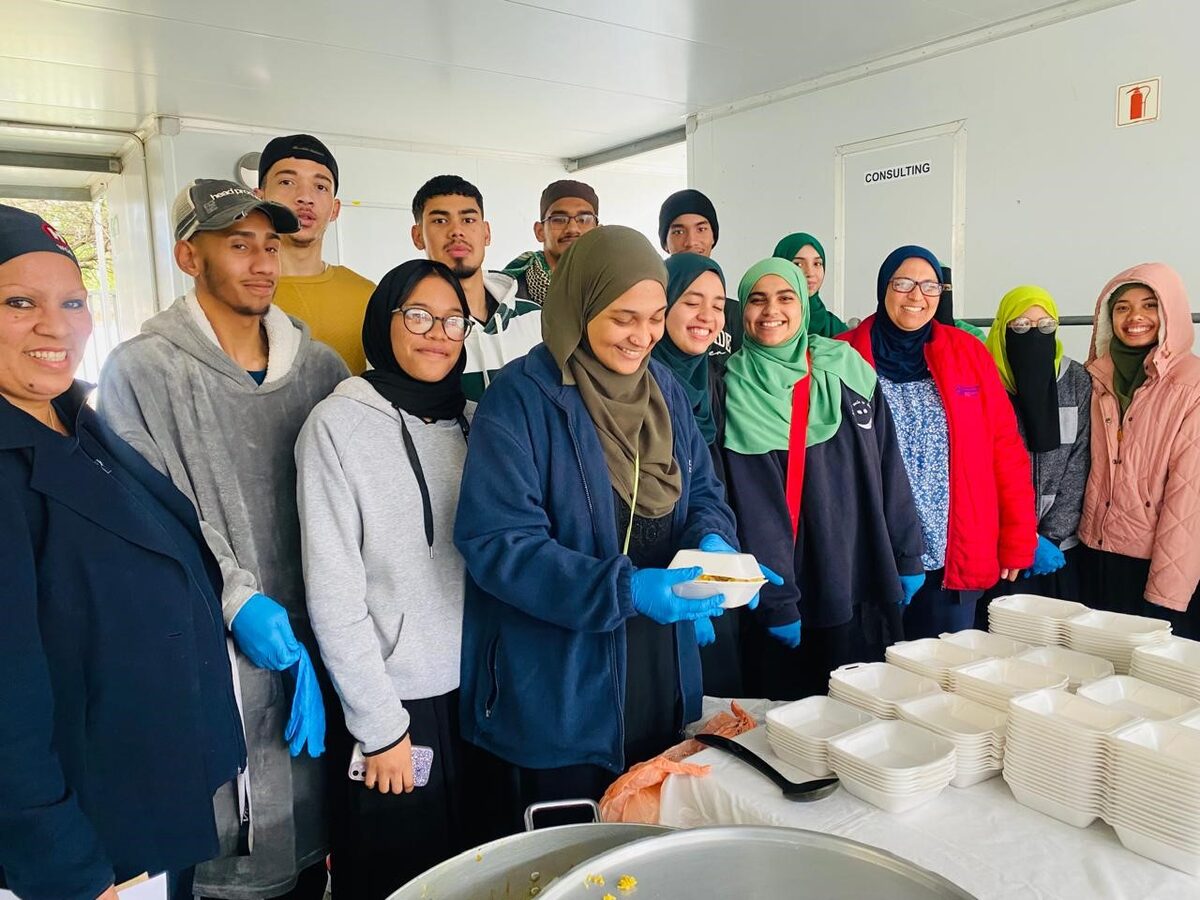


On Mandela Day (Friday 18 July) people honour the true spirit of Madiba by dedicating 67 minutes of their time to a worthy cause, ultimately uplifting spirits, showing support and care, and contributing to making others’ lives better.
This year, provincial Department of Health and Wellness encouraged individuals to use their 67 minutes for activities that promote mental well-being, both their own and others’.
Healthcare facilities are treating increasing numbers of people suffering from mental disorders caused by various factors they face at home, at work or within relationships and social circles. Beyond substance abuse-induced mental health challenges, many people are affected by depression, mood disorders and anxiety due to varying circumstances and pressures.
Said Sister Aisha Salie, facility manager at Strand and Gustrouw clinics:
“Taking care of your mental well-being is just as important as looking after your physical health. This includes not only taking your prescribed medication regularly, but also ensuring you don’t miss any clinic appointments. We want to thank our partners – Habih, Phambili and Masincedane organisations – for their support today.”
Mental-health challenges have become increasingly prevalent, with many people facing anxiety, depression relationship difficulties and workplace stress.
Salie emphasised that Mandela Day provided a meaningful opportunity to address these challenges by dedicating 67 minutes to mental-health awareness and support, whether for yourself or someone in need.
Mental-health self-care tips:
• Get moving: Even a short 30-minute walk boosts mood and health. Try walking in nature or even finding a safe space in your area to get your steps in.
• Nourish your body: Eat balanced meals and drink plenty of water. Monitor caffeine and alcohol intake; cutting back may help stabilise your mood.
• Prioritise sleep: Stick to a consistent sleep routine. Reduce evening blue-light, like WhatsApp chats or watching TikTok before bedtime, to ease falling asleep.
• Embrace relaxation: Try meditation, breathing exercises, muscle relaxation or wellness apps. Or, spend time doing low-stress activities you enjoy, such as reading, listening to music or relaxation exercises.
• Set goals and boundaries: Decide what truly needs doing today, and what can wait. Learn to say “no” when overwhelmed. At day’s end celebrate what you’ve accomplished and tick it off your “to-do” list. Listen to positive, motivational and uplifting videos.
• Cultivate gratitude: Reflect on and record a few specific things you’re grateful for daily and give thanks for small wins. Notice unhelpful thoughts, challenge them, and refocus on more positive or balanced thinking.
• Stay connected: Reach out to someone supportive, like a friend, a church or community member you can trust or a family member for emotional connection or help.
• Remember: Self-care looks different for everyone. Take time to explore what truly recharges you, it may take a few tries.
If you think you need mental health support start with your primary healthcare provider at your local clinic. They can connect you with a mental-health professional – a psychologist, psychiatrist or clinical social worker – for expert guidance and support.
Alternatively, you may call:
• Anxiety & Depression Helpline: 011 783 1474;
• Childline: 0800 055 555; or
• Life Line (Cape Town) 021 461 1111 or 021 461 1114.