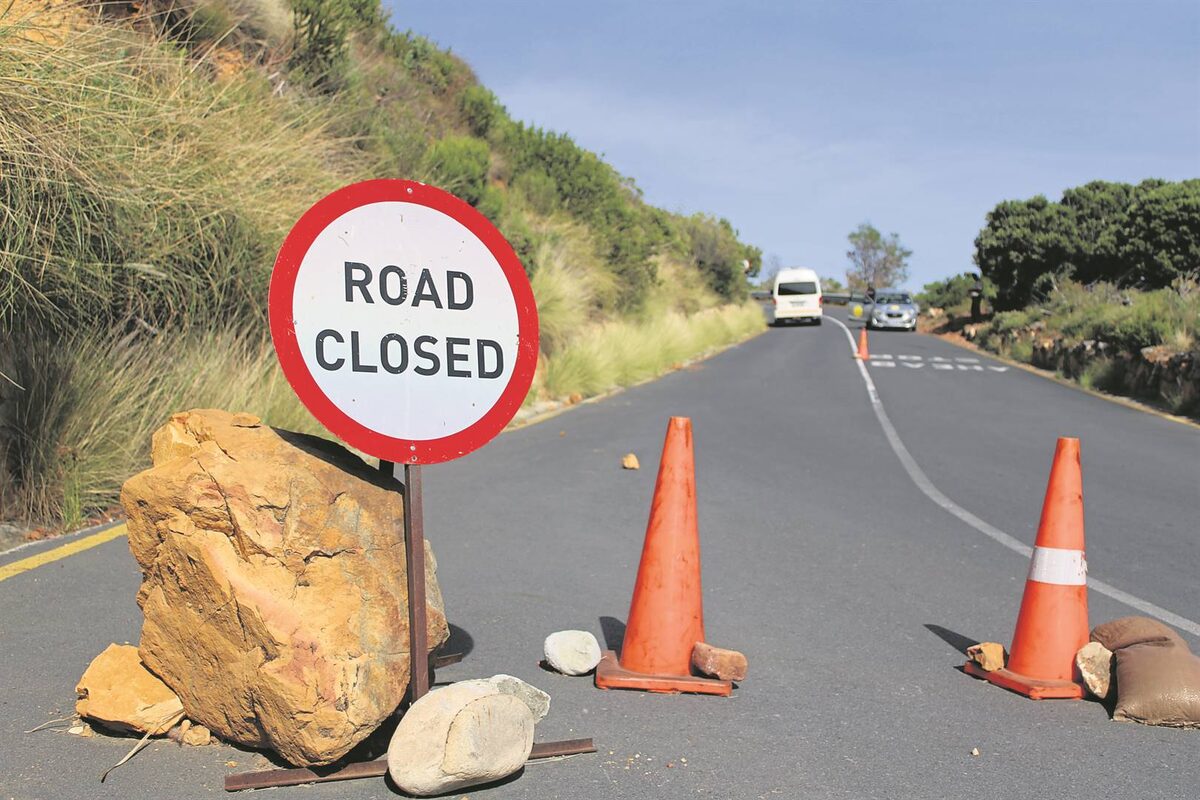

Members of several hiking and cycling clubs who frequent the access road that leads up to the entrance of Steenbras Water Treatment Plant in Gordon’s Bay have expressed dismay at the continued closure of the road since December last year, which was due to floods that also damaged the R44 Clarence Drive at the time.
But since then the R44 has been re-opened, but yet the access road in question remains closed to the public.
Danie Pienaar, an architect who has lived in the Strand for 40 years, explained that for the past 20 years dozens, if not hundreds, of hikers mainly used the mountain road (access road to Steenbras) as their preferred training route and hiked it at least three times a week.
“We have already walked thousands of kilometres on that road,” he said. “The road is a beautiful place for us to be, and our love for it has led to our already having had several cleaning-up Saturdays there and removing the rubbish in bags. As members of the Leopard Protection Organisation we were also responsible for the relocation of the leopard, which on occasion made a nuisance of itself at the houses and filter station.”
Pienaar added that, like many others, he felt a close connection with the road and the nature that surrounds it. “Despite all our efforts to get clearance from the Traffic Department we are no longer allowed to be there,” said Pienaar. “We are now dependent on the Helderberg Nature Reserve, which is located several kilometres from us. Numerous visitors who come from afar also expressed their sadness at the ban on their visits. We cannot understand why there are two lookout car parks, which now serve no purpose. This is a bitterly sad matter for all of us, and we feel our rights to enter a public road are being undermined. We have never been a nuisance on that road and our activities cannot harm anyone.”
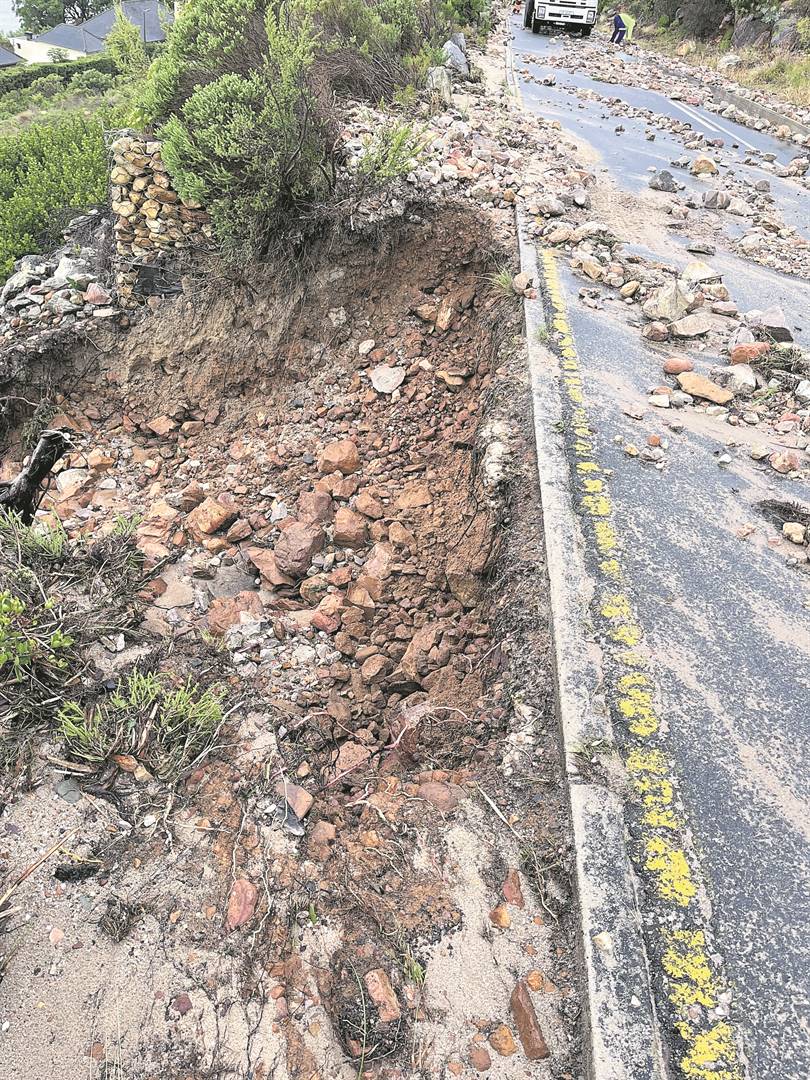
Mayoral Committee member for Water and Sanitation Councillor Zahid Badroodien confirmed that the boom gate just before the staff houses is access controlled and that the road collapsed due to slope failure in three places along the incline of the access road.
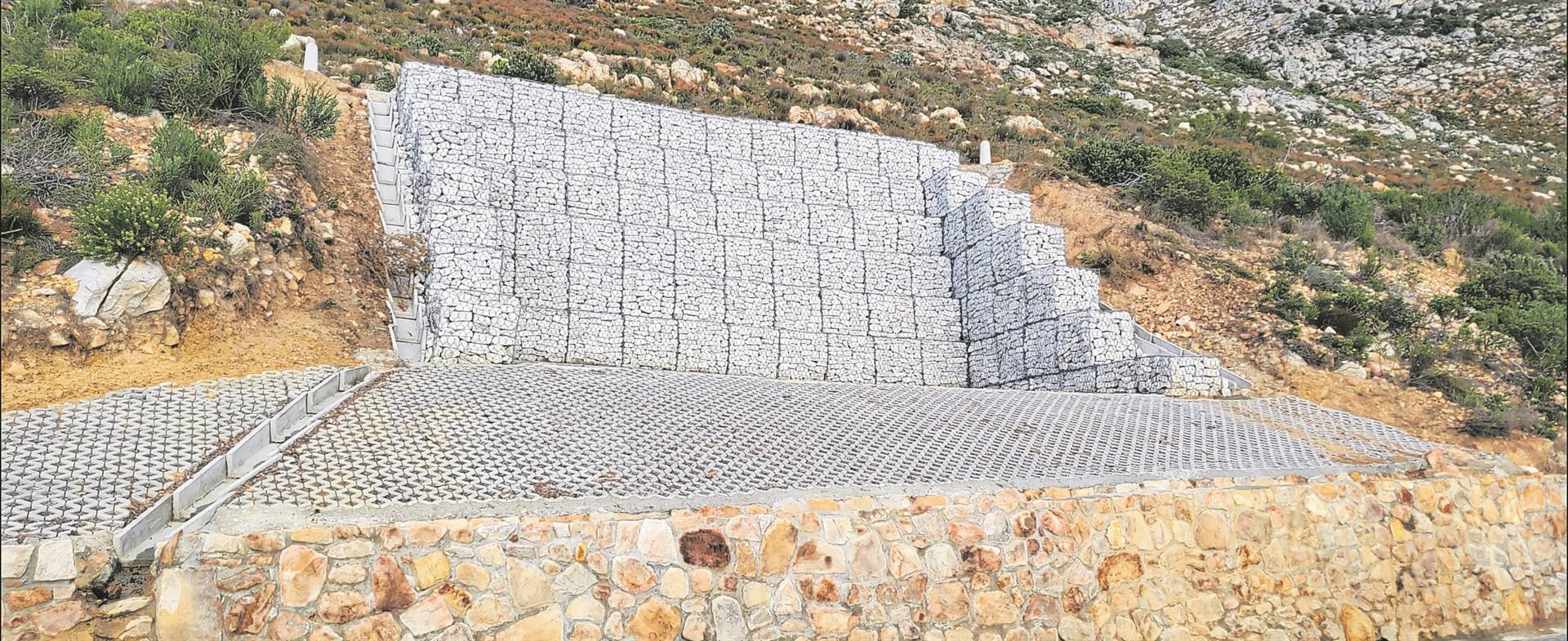
“Work has begun on repairs,” he stated. “Structural and geotechnical engineering for slope rehabilitation is needed. The repair work is quite extensive and the City of Cape Town requires the use of external consultant services.
“The contractor has to adopt a phased approach due to resources and risk of failure. Some of the work requires a drop of more than 18 metres at an approximate angle of 35 degrees, which requires specialised services.”
Badroodien added the road will be re-opened as soon as the repairs are completed and deemed safe for public use.
“This is dependent on capital budget approval for the next financial year (approximately R2,5 million) – realistically, by the end of this year we expect the road to be reopened.”
He also mentioned there are ongoing challenges concerning public behaviour along the road that relate to littering and public nuisance complaints.
“However, the City has not approved any instructions to close the road permanently,” Pienaar said.
He said after being used as a hiking and bicycle-practise area for more than 20 years by thousands of people, the road’s being a source of danger has never been an issue at all.
“We appreciate the fact there may have been a minor collapse of the embankment a few weeks ago, but that was after we were disallowed on that road. Our hiking club organises ‘cleaning sessions’ when we grouped together with bags and cleared the entire road from bottom to the top.
“The road is very important to us. It was built in the early 1940s by the (then) Cape Town Municipality and has always been a landmark for all of us who live here.”