
The multi-million rand upgrade of the Sir Lowry’s Pass River, a vital project spanning Gordon’s Bay and Strand, has reached its halfway point, signaling significant progress in enhancing the region’s flood mitigation and climate change resilience.
The City of Cape Town project remains on schedule for completion in March 2027.
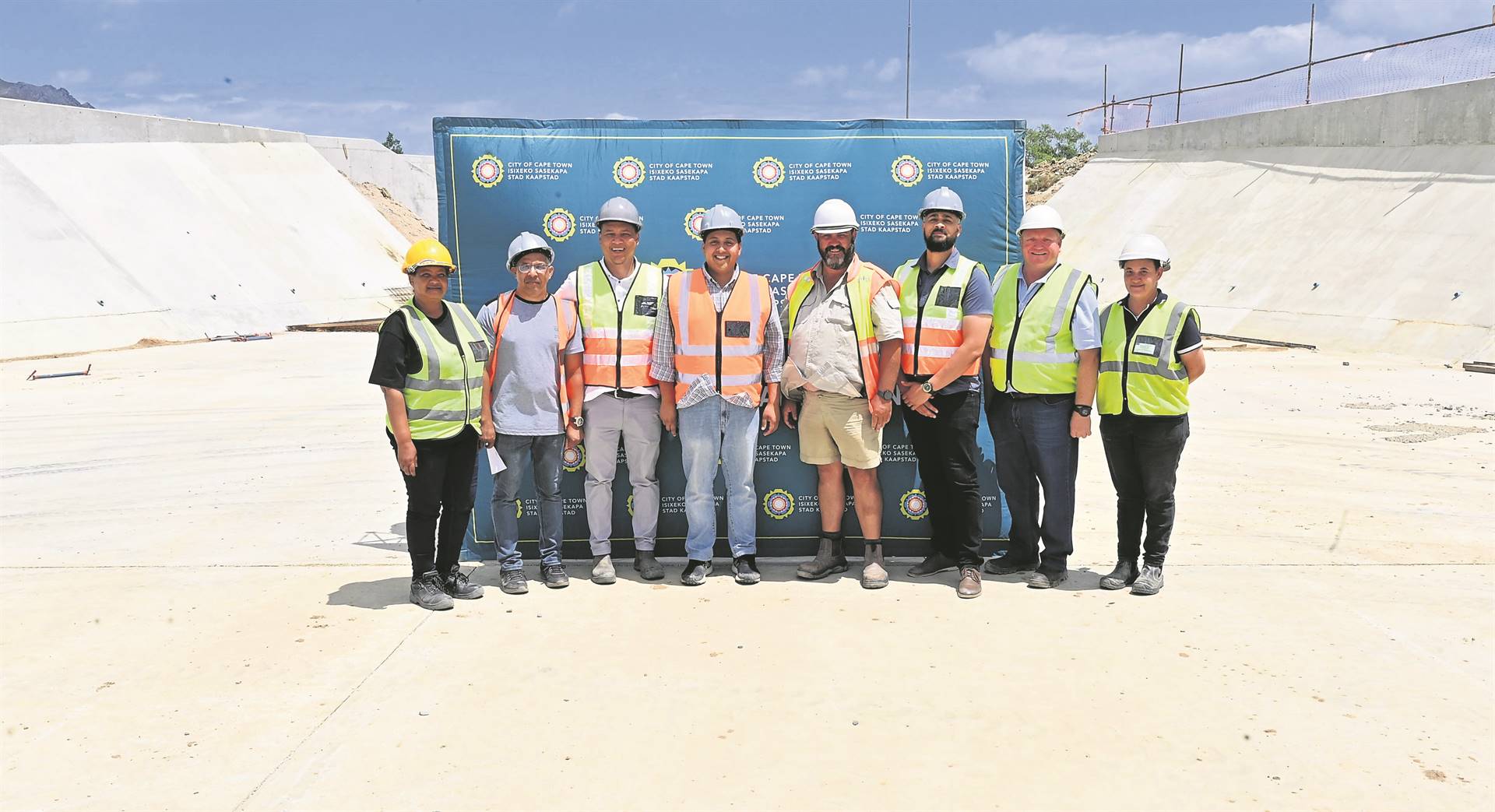
Early last month (June), Zahid Badroodien, Mayoral Committee member for Water and Sanitation, joined members of the City’s Water and Sanitation Portfolio Committee for a site visit to assess the ongoing work.
The major capital upgrade, which began in February 2023, is now approaching 50% completion.
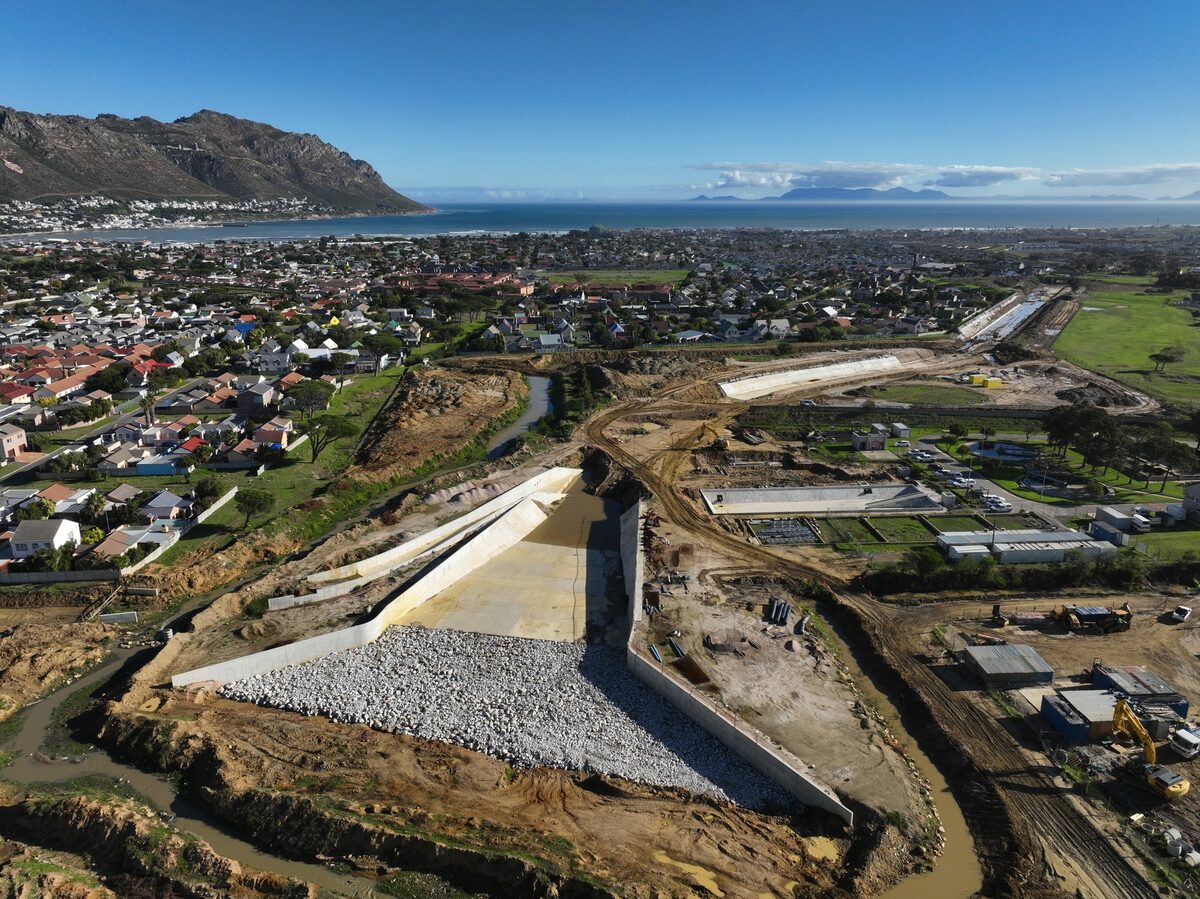
This ambitious project is designed to mitigate flood risk in Gordon’s Bay and surrounding areas, increase the river’s conveyance capacity through channel reshaping and the installation of hydraulic control structures, and enhance the City’s climate change resilience and adaptation efforts.
It will also enable future downstream developments, such as the Vlakteplaas Stormwater and Environmental Upgrade, which will be implemented by the City’s Human Settlements Directorate.
To date, approximately R214 million has been invested in the project.
“Reaching the halfway mark on schedule for such a complex, multi-year project speaks volumes about the City’s commitment to delivering quality infrastructure. I commend the teams for the excellent progress made thus far,” Badroodien said.
“This upgrade is a crucial enabler for future development. It not only safeguards our communities from flooding, but also unlocks land for future housing projects, helping us meet the demand for well-located, serviced opportunities.”
The comprehensive upgrade involves several critical components, including the construction of berms to stabilise riverbanks and direct water flow; terrain flattening to level the landscape and improve river alignment and capacity; and river realignment to reconfigure the river’s flow path between the N2 highway and the ocean, including the construction of four drop weirs to manage water flow and levels.
Furthermore, riprap installation, the strategic placement of rock armouring, is being implemented to prevent erosion along the riverbanks and around hydraulic structures. Infrastructure enhancements are also a key part of the project, covering the building of new bridges, erosion control measures, non-motorised transport pathways for pedestrians and cyclists, relocating services, landscaping, and demolishing obstructive structures.
The upgrade is set to significantly improve the river’s flood resilience.
Prior to the upgrade, the area faced a high flood risk, with flood lines for various event magnitudes (1:2, 1:5, 1:10, 1:20, 1:50, and 1:100-year events) overlapping critical infrastructure, leading to historical damage to homes and disrupted livelihoods.
Upon completion of the project, flood lines are expected to recede significantly due to enhanced channel capacity and flow regulation. The 1:100-year flood line will be contained within engineered berms and upgraded channels, resulting in an overall reduction of flood risk across all return periods.