
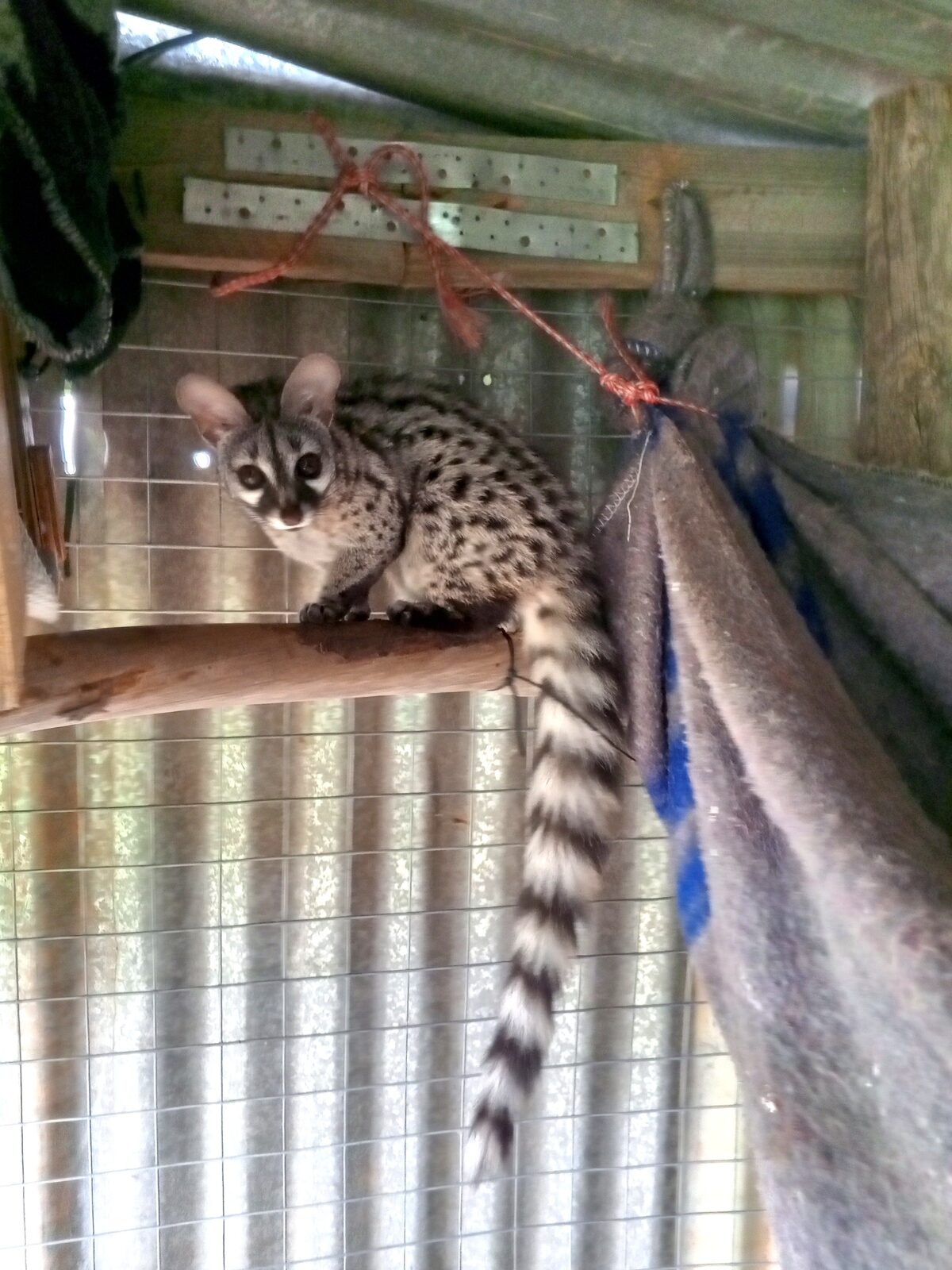
Two rehabilitated small-spotted genets have taken their first steps back into the wild thanks to a new soft-release enclosure at Vergelegen Wine Estate in Somerset West, created in partnership with the Kogelberg Biosphere Wildlife Rescue and Training Centre near Betty’s Bay.
The young genets were discovered hiding above a ceiling at a home in Sir Lowry’s Pass Village. After initial care at the Kogelberg centre, they spent several weeks acclimatising in the Vergelegen enclosure before being released at night. Supplementary food was provided until they became fully independent.
A soft-release facility is a large, escape-proof enclosure located far from roads, buildings and people. It mimics the natural habitat of the species it houses and can be adjusted to suit mammal, bird and reptile patients.
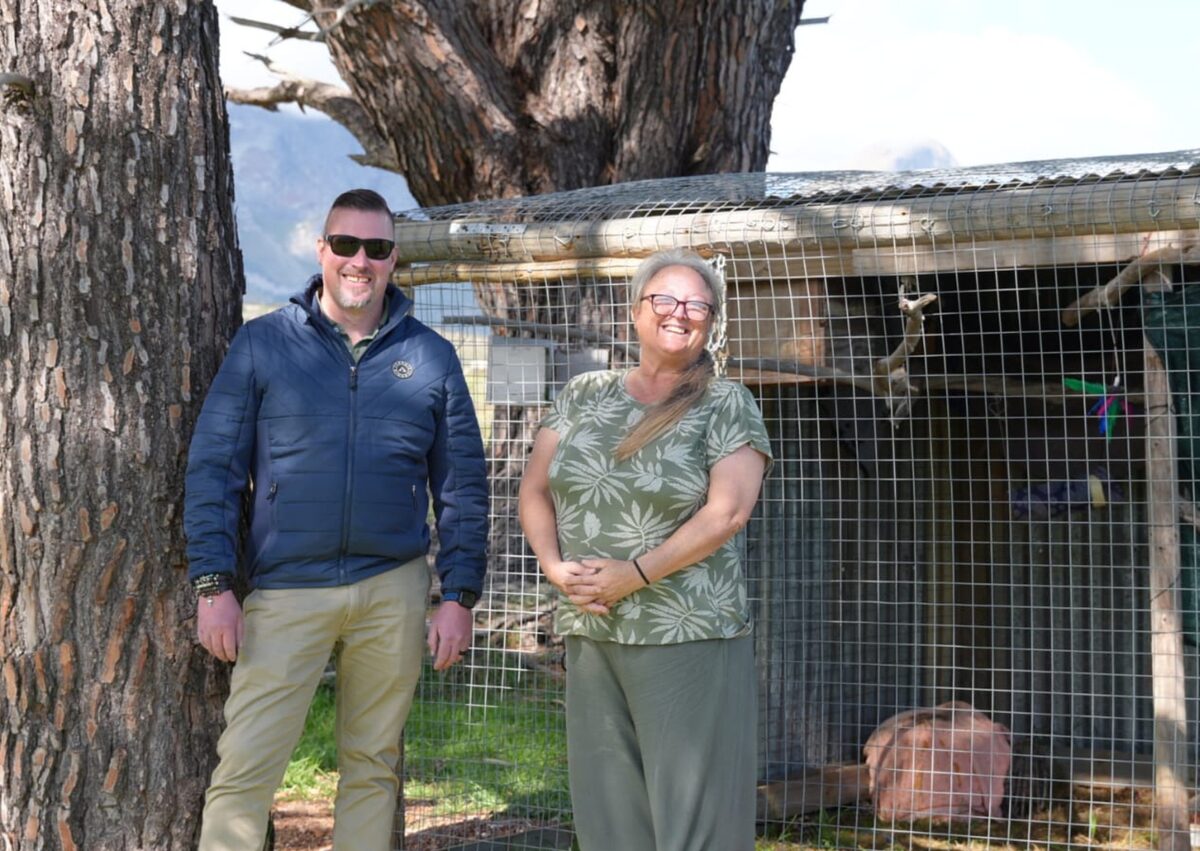
Vergelegen, renowned for its biodiversity initiatives, is home to a 2 000-ha nature reserve with the same conservation status as the Kruger National Park. The new enclosure, built near the reserve’s 400-ha game sanctuary and sheltered by a shady tree, has mesh walls, a solid roof and straw-covered floor.
“Hosting a soft-release site is more than just building an enclosure, it’s an ongoing stewardship role,” said Michelle Watson, senior wildlife rehabilitator at the Kogelberg centre. She is one of the first South Africans accredited by the International Wildlife Rehabilitation Council (IWRC) and has trained wildlife first responders across the country. “Wild animals that have completed their treatment or rehabilitation still need time to transition back into the wild. For juveniles, that can mean learning to hunt, forage and establish a territory.”
In this period, which can last a few days or several weeks depending on the species, animals require a safe, naturalistic space with shelter, fresh water and support food. “Vergelegen has shown outstanding commitment by meeting every CapeNature requirement and providing daily care for successful animal transitions,” said Watson.
The Helderberg estate is located near the centre, offering biodiversity, foraging space and full-time environmental manager Eben Olderwagen’s expertise.
“Being able to support wildlife recovery is a privilege, and we’re proud to care for Helderberg’s natural life,” he said. “We’ve worked closely with Kogelberg and CapeNature to meet requirements and secure permits.”
The centre, which opened late last year following the 2022 Kleinmond wildfires, has treated 170 patients this year. It features an emergency clinic, recovery room, kitchen and flight enclosures for rehabilitation.
It is the first wildlife-rescue centre in the province with a permit from CapeNature to provide critical care to vulnerable wildlife.