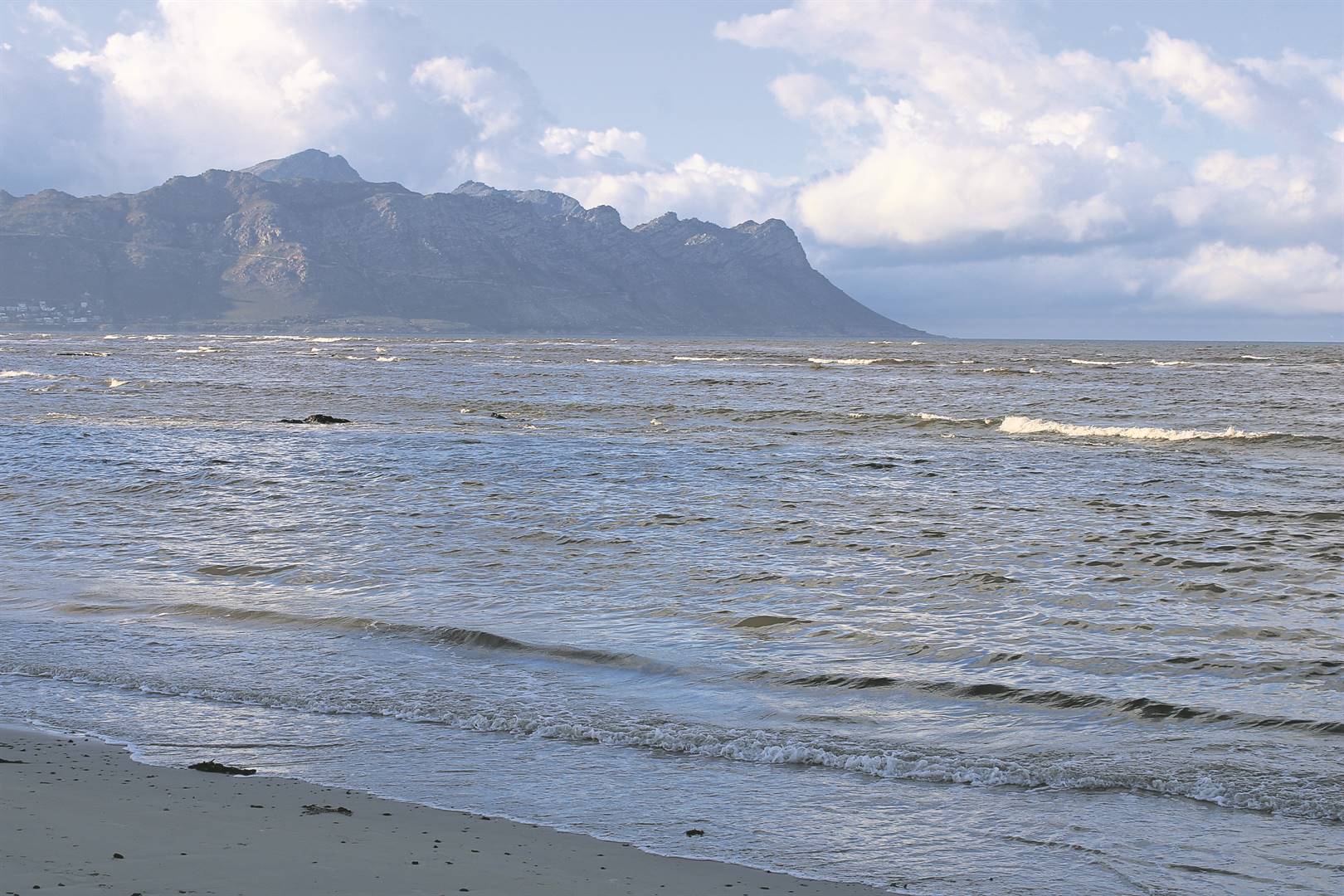

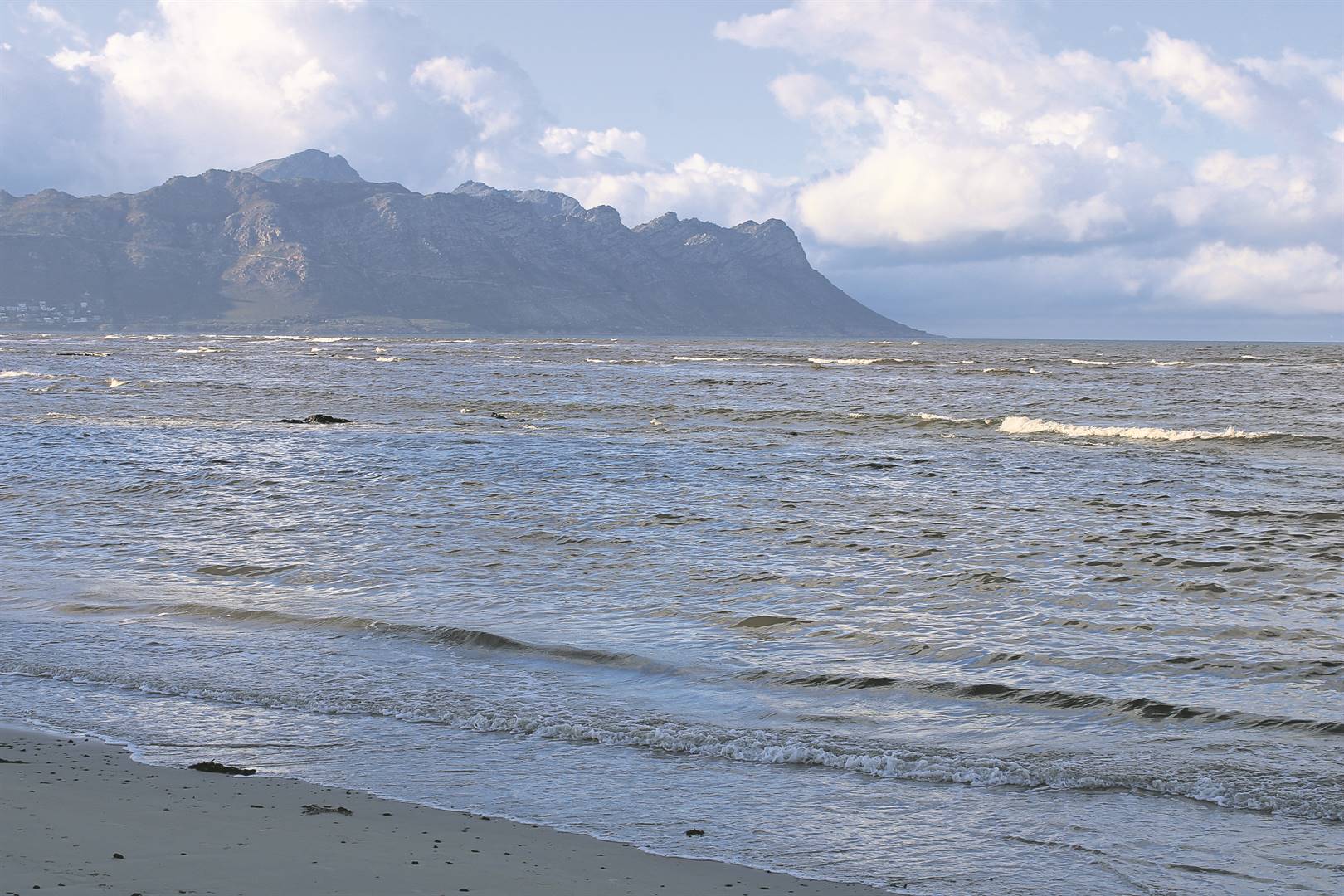
For the past few days waters off Strand Beach coastline have assumed reddish-brown hue, accompanied by a very fishy smell that hangs in the air. This rather distinct phenomenon is not new; it is known as “red tide”, and occurs “when microscopic algae rapidly reproduce to cause ‘blooms’.”
So says Eddie Andrews, Mayoral Committee Member for Spatial Planning and Environment, adding that beachgoers need not worry of any health risks.
He was responding to some residents who, unfamiliar with this “unusual” sight, expressed concern that the water was contaminated due to a sewage spill or worse
Andrews, who is also Deputy Mayor, indicated the phenomenon had nothing to do with failure of infrastructure, but takes place under certain environmental conditions, which typically includes warmer-than-usual surface-water temperatures.
“Swimming in a red tide presents very little risk to the public,” he said. “Red tides take place when microscopic algae rapidly reproduce to cause ‘blooms’ . . . These [algal] blooms are not uncommon in Cape Town or South Africa, especially during the warmer summer months.”
Andrews added that the duration of red tides depended on how long enabling environmental conditions occur. On this basis tides can last for days, and even months.
“The likely reason for the algal bloom is due to the very warm temperatures being experienced in Cape Town at present,” Andrews said.
According to Lisa Starr, founder of Helderberg Ocean Awareness Movement (Hoam), most blooms are beneficial because the tiny plants are food for animals in the ocean. They are also the major source of energy that fuels the ocean food chain.
“A small percentage of algae, however, do produce powerful toxins that can kill fish, shellfish, mammals and birds, and may directly or indirectly cause illness in people,” she said. “So it’s not advisable to eat any locally caught marine life during a red tide. You can swim, but some people can have a bad reaction. I would definitely recommend you don’t swallow any water at this time.”
Starr also points out that if one went to the ocean when it’s dark one may be lucky enough to capture the bioluminescent algae blooms (Dinoflagellate marine algae called Sea Sparkle). “This could be what we are experiencing now as the ocean is lighting up blue currently too,” she said.