
Vergelegen in Somerset West is celebrating a remarkable season of new life at its 3 000-ha wine estate, which includes a 400-ha game camp within a 1 980-ha nature reserve.
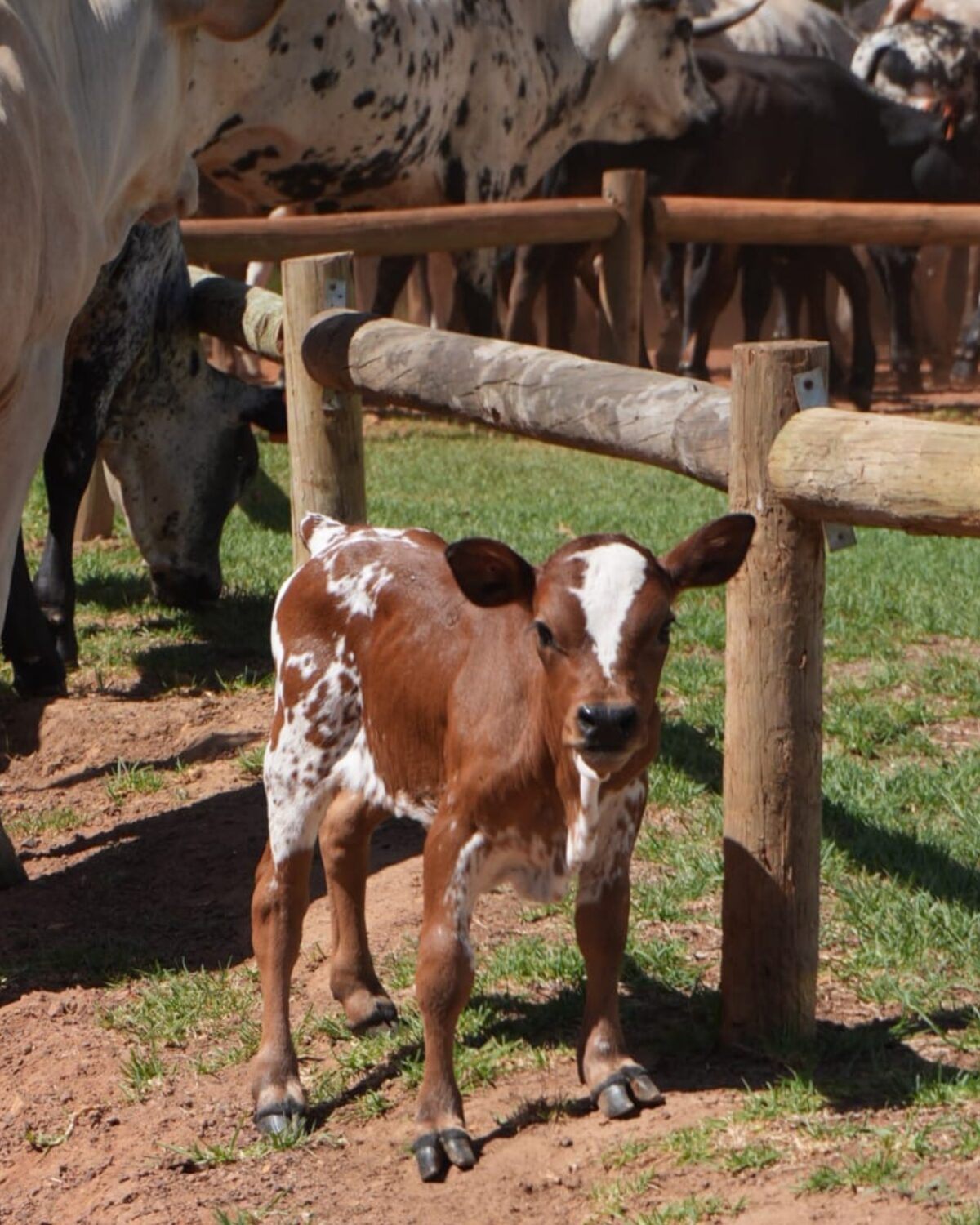
The most unusual newcomer is a dwarf Nguni calf, born on Boxing Day 2025 (26 December). With short, stocky legs and a distinctive brown-and-white spotted hide, he will grow no taller than knee-to-waist height.
Both were late arrivals. Vergelegen welcomed 133 Nguni calves between July and September last year, bringing the total herd to around 450 animals.
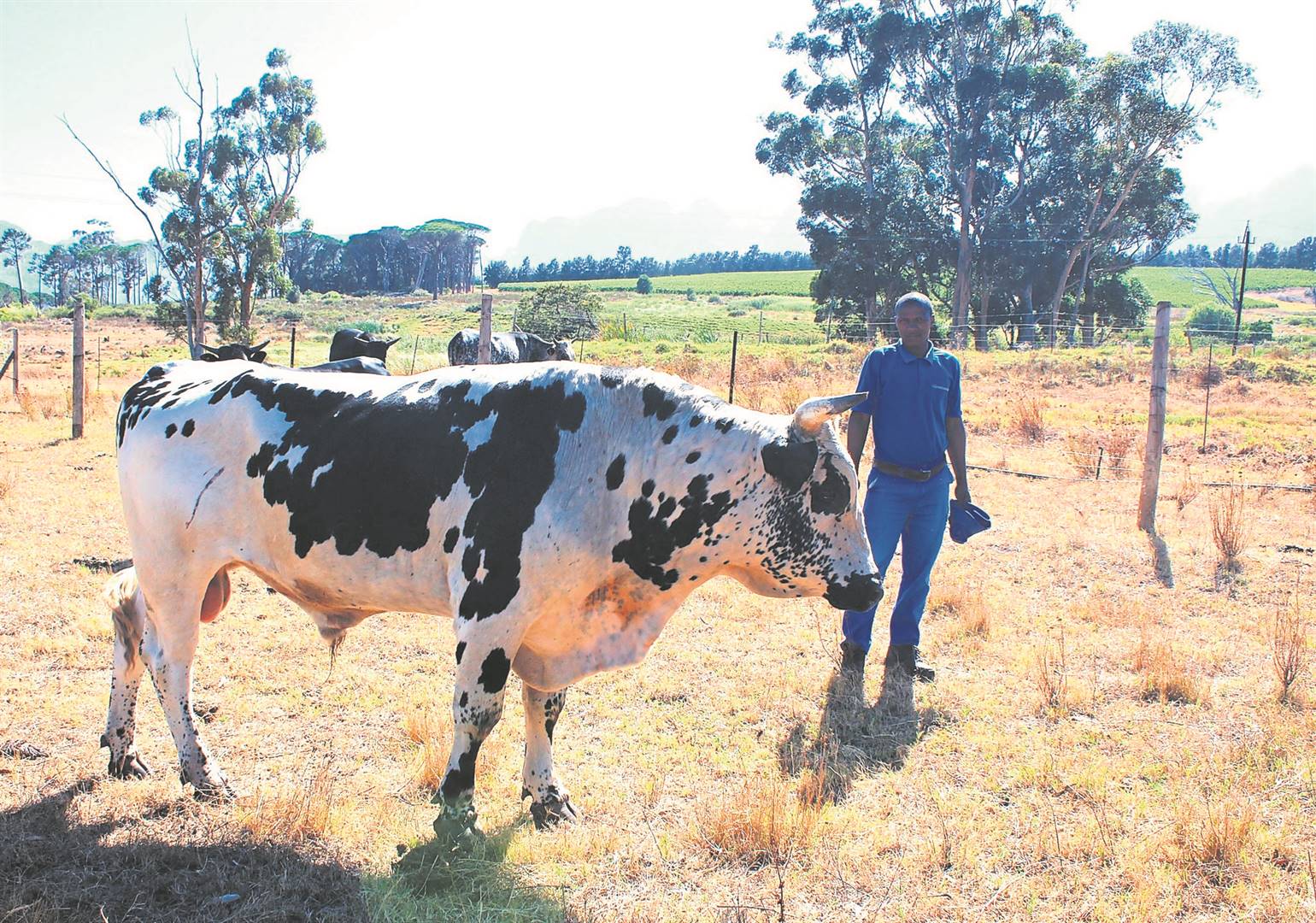
“Dwarf Nguni cattle have a much shorter lifespan than standard Nguni – usually around four years – compared to up to 20 years for normal Nguni,”explained the estate’s environmental manager Eben Olderwagen. “His mother is very protective and closely monitors anyone who approaches.”
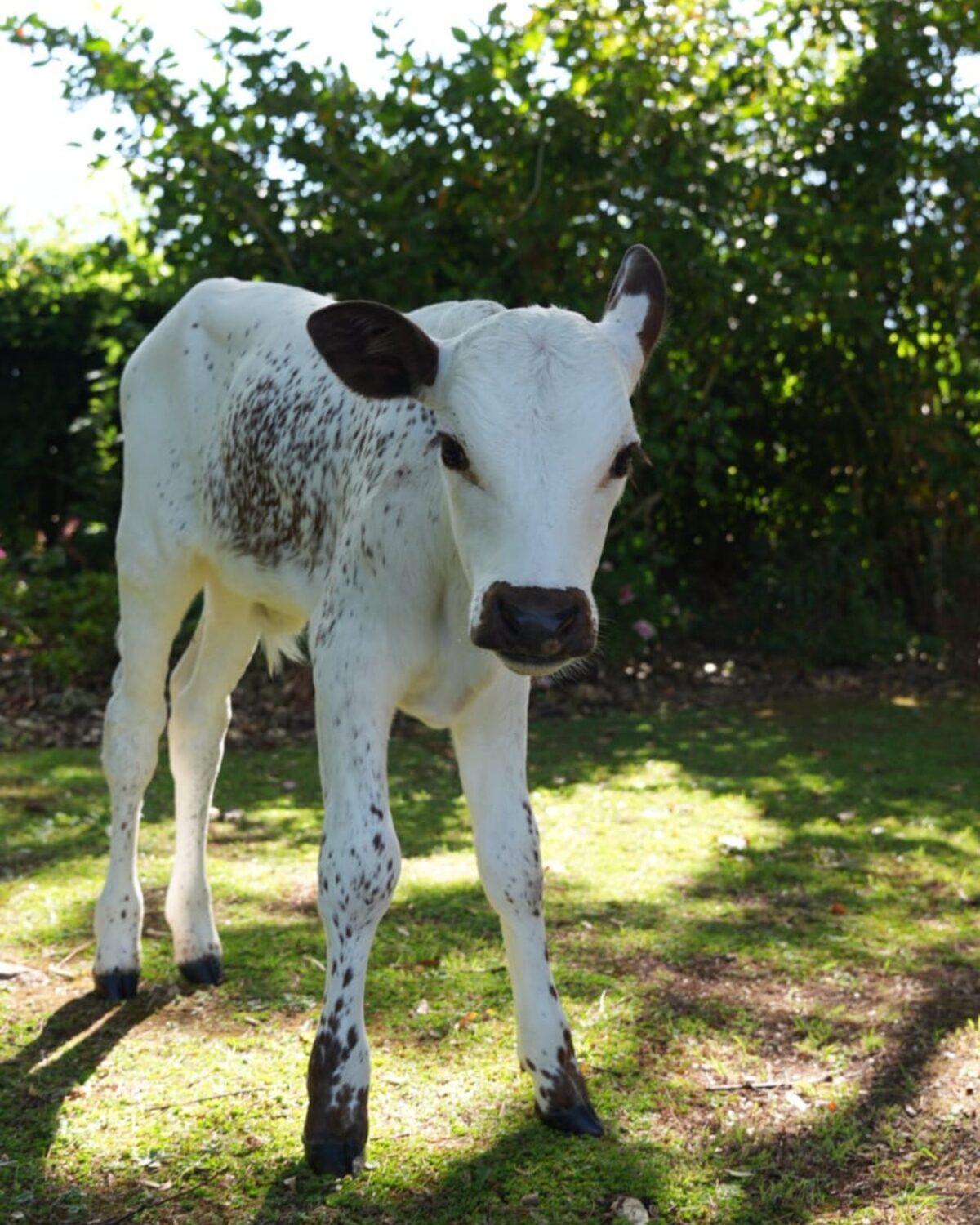
The unnamed calf joins another young Nguni, Henry, who is mostly white and something of an estate celebrity. Bottle-fed and tame, he has formed a close bond with hospitality manager Sue Steenkamp and enjoys spending time in her garden.
The baby boom extends beyond cattle – two eland calves were born mid-December, boosting the estate’s eland population to 11. The original five eland were introduced in July 2020 from Elandsberg as part of a project monitoring their grazing impact on fynbos species.
Seven bontebok lambs were born last October , bringing the total population to about 90. While slightly below the usual 12 to 15 annual births, Olderwagen said this is natural as young females reach breeding age and new groups form.
Bontebok were introduced to the estate in 2008, when 13 animals were relocated from the Helderberg Nature Reserve.

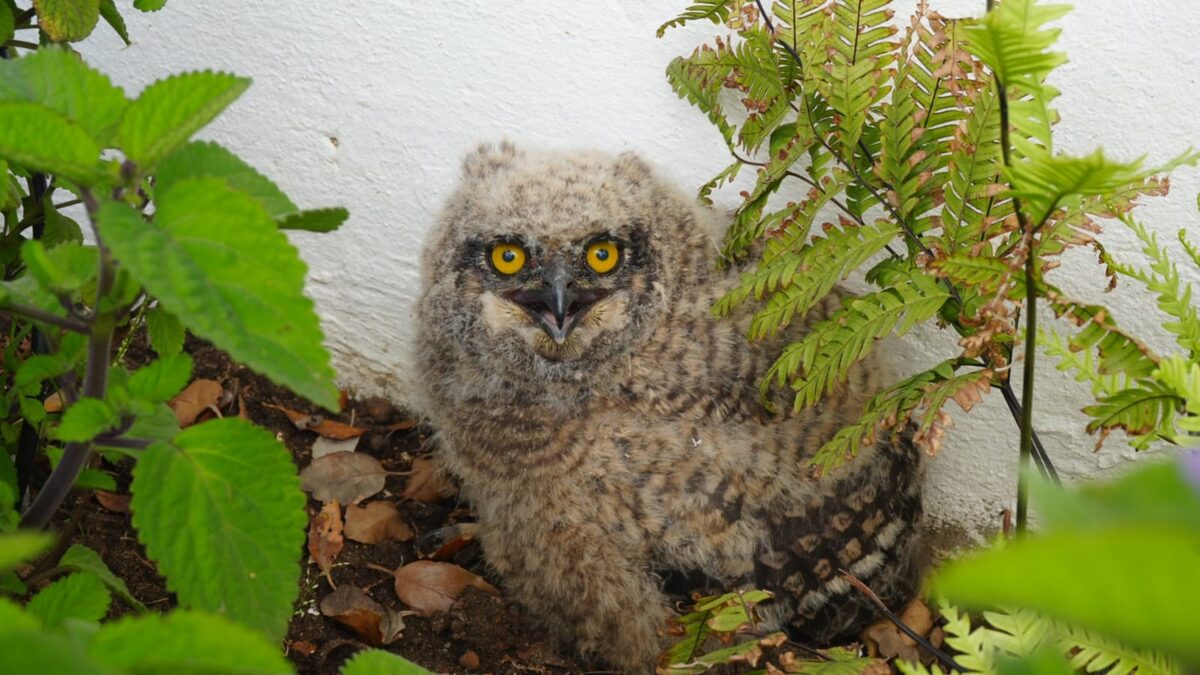
Spotted-eagle owls continue breeding annually in oak trees near the management offices. Last November two owlets were discovered at the tree base, where parents continued feeding them until they flew.
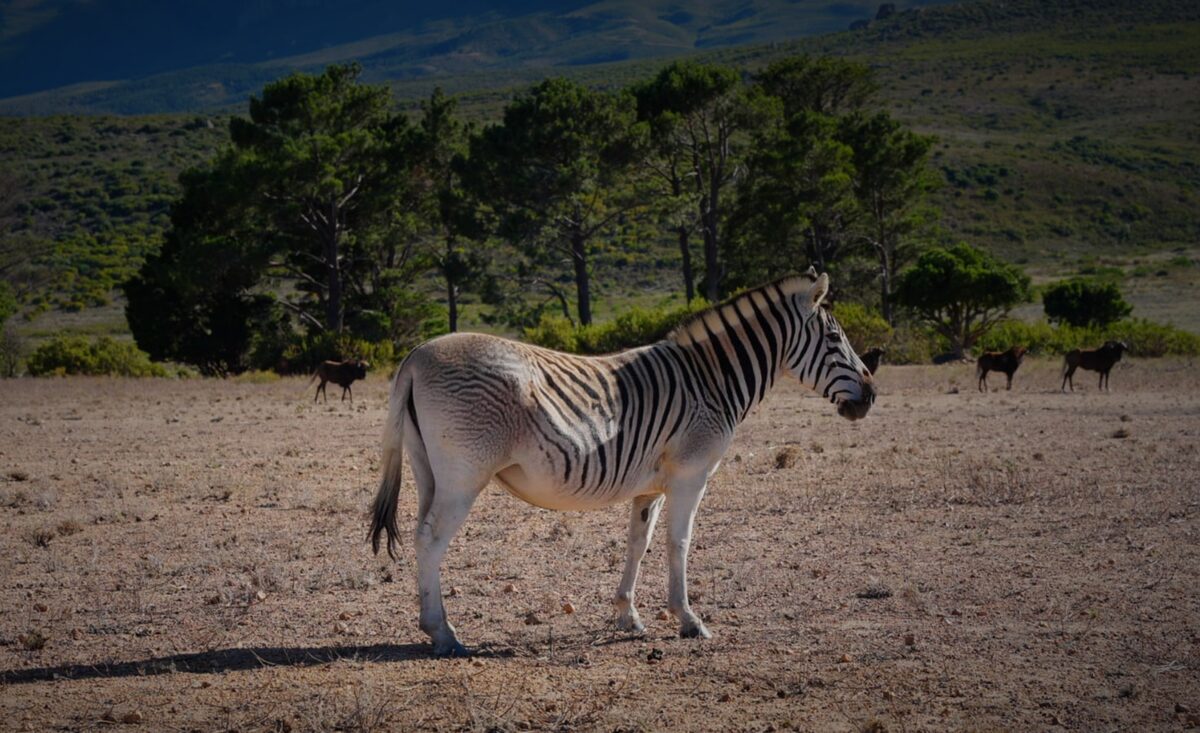
Further excitement awaits with two heavily pregnant Rau quagga mares. Vergelegen currently houses 10 Rau quagga, part of an ambitious conservation initiative launched in 1987 to breed southern-plains zebra selectively, to resemble the extinct quagga, which once roamed South Africa before being hunted to extinction in the late 19th century.
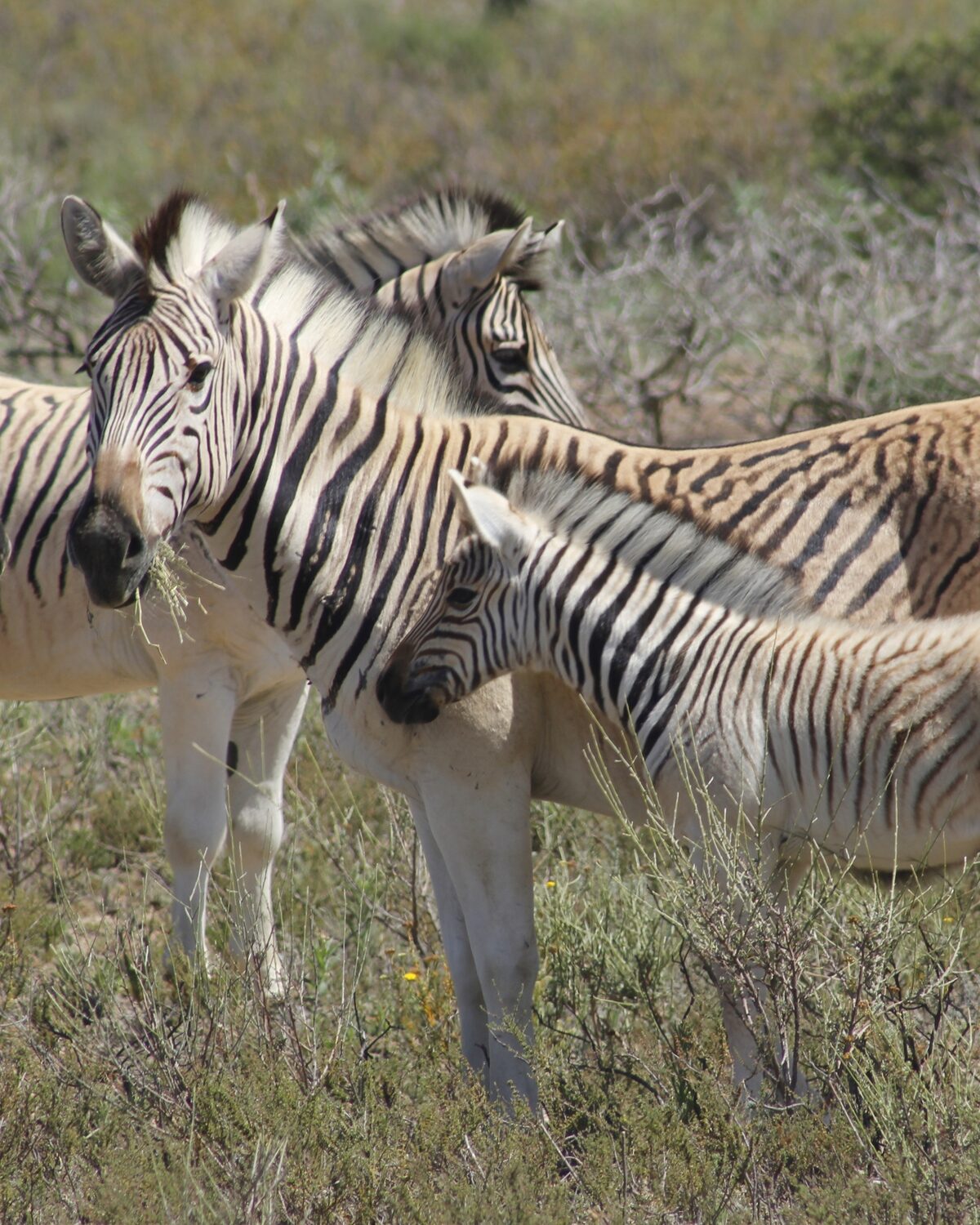
Unlike other zebras, quagga typically have stripes only on the head, neck and front body, with brownish upper sections and unstriped, pale legs and bellies.
Visitors can book guided environmental tours in open-top game drive vehicles, weather permitting, departing from the estate’s wine-tasting centre at 10:00. Tours last about two hours and cost R950 per person, including wine tasting, a branded cap and water bottle. Call 021 847 2111 or email winetasting@vergelegen.co.za.
Vergelegen opens daily from 08:30 to 17:00 (last entry 16:00). Entry costs R30 per person or R10 for pensioners and scholars. Pensioners enjoy free entry on Mondays. For more information, visit www.vergelegen.co.za, call 021 847 2111 or email info@vergelegen.co.za.