

On average, an estimated five children per 1 000 in developing countries will be born with hearing difficulties or will develop hearing loss in the first weeks of life. Identifying hearing difficulties within the first three months can significantly improve a child’s overall development.
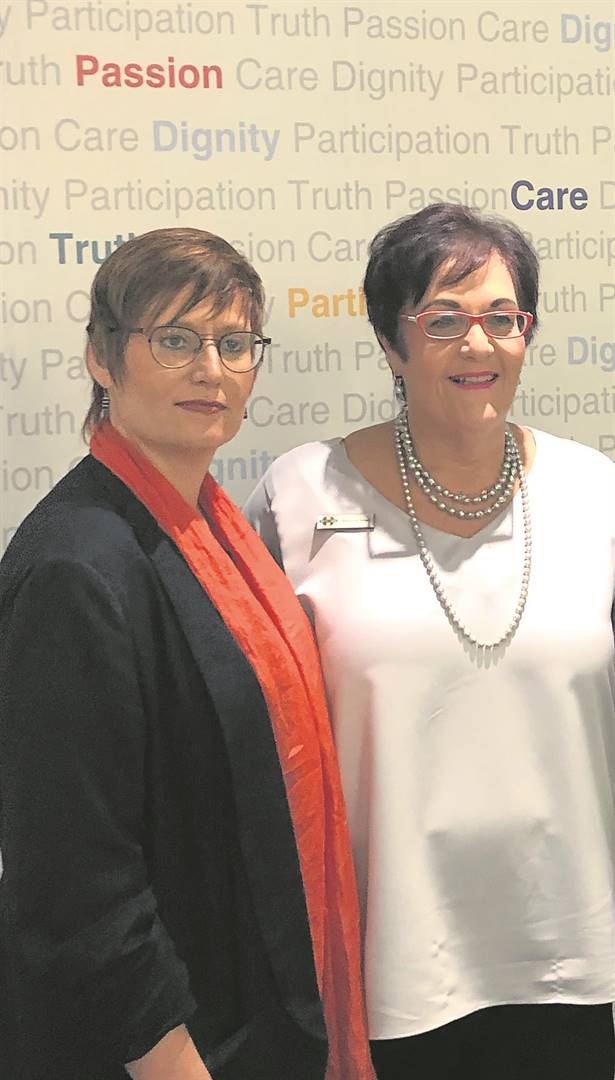
This according to Professor Claudine Storbeck, Director of HI HOPES, a non-profit organisation that has supported families of deaf and hard of hearing babies for 16 years. She is also director of the Centre for Deaf Studies at the University of the Witwatersrand and works closely with the Netcare national newborn hearing screening programme, in which more than 52 000 newborns have received screening since its inception in 2019.
“Hearing loss affects many aspects of a child’s life,” she says. “Even in mild cases it fundamentally influences early communication and bonding, with a knock-on effect that can impact language as well as social and cognitive development, which are all strongly linked.”
Sharlene Swart, national coordinator of the mother and baby wellness clinics located at selected Netcare hospitals, notes that the Netcare national newborn hearing screening programme is the first of its kind in South Africa. “This programme is universal, in that it is offered to all newborns in our maternity units, and is helping to chart a way forward within a national hospital setting to ensure early diagnosis and referral to the necessary intervention and support.
“All newborns at Netcare maternity units have their hearing screened by professionally qualified audiologists. The cost of the specialised screening is covered as part of Netcare’s maternity passport offering, which can be obtained when expectant mothers book their delivery at a Netcare maternity unit.”
Early intervention is key
Storbeck explains that the “Early Hearing Detection and Intervention” best-practice process begins with screening newborns and should enable diagnosis before three to four months of age.
“If a child doesn’t pass the newborn hearing screening, it is very important that they go for a follow up screening within four weeks, to see if the infant needs to go for a full assessment,” she explained. “This is done, so if a hearing loss is diagnosed interventions can be put in place as quickly as possible. Ideally, by the age of six months early intervention should have started along with the appropriate amplification.
“Mothers’ instincts can also be an important indicator, with studies showing that mothers often suspect there is something wrong with their baby’s hearing up to 12 months before it is formally diagnosed. If you suspect your child is not hearing properly, do not wait to seek a professional opinion.”
Storbeck explains that support is available for families and their deaf or hard of hearing infants and children and that the programme is based on family centred early intervention principles that involve the family at every step of the decision-making process. “Once a baby or child is diagnosed with a hearing loss, parents are provided with the information they need and an unbiased view of all the options available in South Africa, allowing them to make informed choices about what is best for their child and their family.
“This unbiased information speaks to all developmental areas relating to a child’s hearing difficulties and works for each family at their own pace, typically for a period of three years or so, to support and facilitate a more holistic approach to development.
“Parents have access to special programme meetings and conversations with other parents as well as members of the deaf community, and are encouraged to ask as many questions as possible. This drives the process so that parents are empowered and skilled to become partners in decision making around interventions such as communication, spoken and/or sign language, hearing aids, or in cases where it is appropriate, cochlear implants and other forms of technology.”
Prevention where possible
“Approximately 50% of hearing loss in newborns is due to genetic causes,” Storbeck points out, “but complications and illnesses during pregnancy as well as head trauma during birth can result in hearing difficulties. A further factor is any medication that is ototoxic, meaning that it can cause hearing loss in some infants as a possible side effect. It is therefore important to ask your doctor about this particular risk in any medication that is prescribed to you during pregnancy and to your baby after birth.
“If your baby often has middle-ear infections, an ENT should be consulted as this can have an impact on their hearing. Even if only temporary, an impact on the ability to hear is a real challenge in a little person’s life.”

