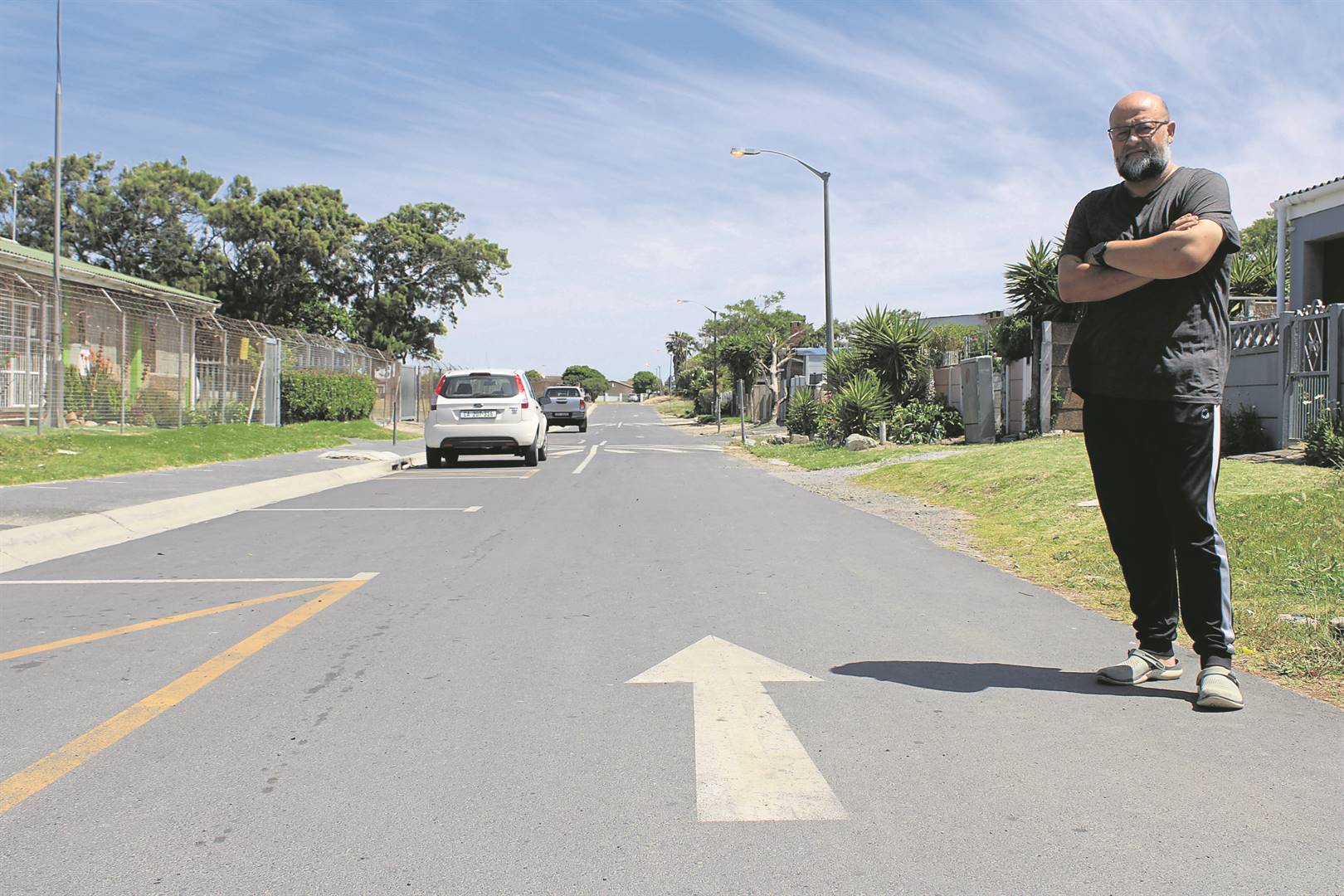

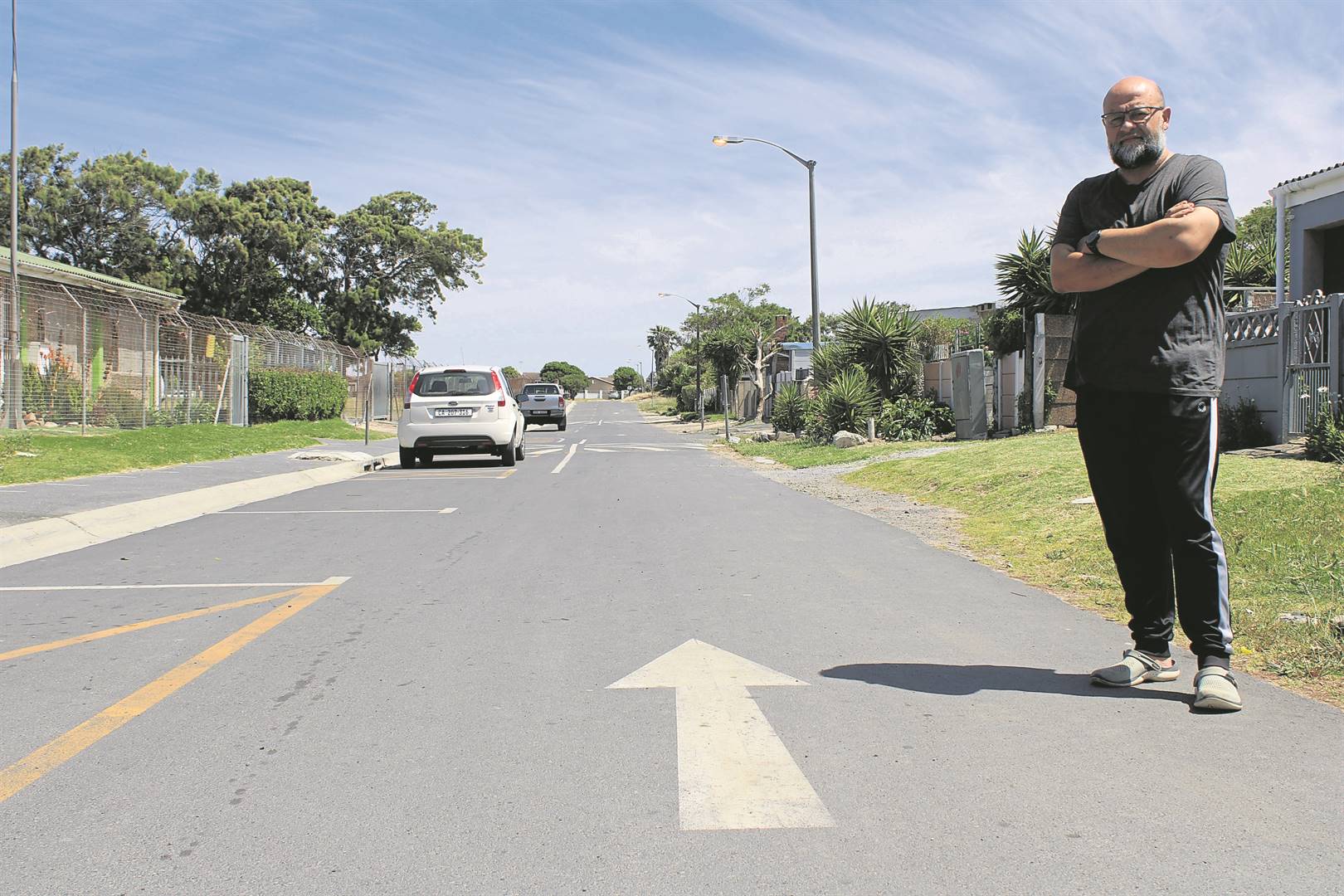
Residents in the Macassar area are up in arms over the recent conversion of portions of Oklahoma Street and Bay Street into one-way streets.
This controversial decision, implemented without prior public consultation, has led apparently to significant traffic congestion and parking problems.
The community has expressed frustration and anger at the lack of transparency and engagement from the City of Cape Town. Many argue that a thorough traffic study should have been conducted before such a drastic change was made, especially considering the proximity of schools to these streets.
“We were shocked to find out that these streets had been converted to one-way without any notice,” said concerned resident Adiel Rhoda. “It’s caused chaos, especially during school drop-off and pick-up times. Parking is now a nightmare, and traffic congestion has worsened significantly.”
Local community leaders are now calling for a review of the one-way street decision and demand that the City engage with residents to find a solution that addresses their concerns.
“In a form of protest, residents along Oklahoma Street are not using it as a one way but driving on both sides of the road,” said Rhoda.
In response to a request for comment, Rob Quintas, Mayoral Committee member for Urban Mobility, admitted there was an error in the implementation process whereby changes were made before the public participation process took place.
“A retrospective public participation process was conducted via the City’s Public Participation Unit,” he said, adding that a traffic study had been conducted in response to a request to convert Oklahoma Street to a one-way.
The request was apparently initiated by the management of the school along with some residents who were concerned about the safety of learners and frustrated by congestion caused by the school traffic.
“The study conclusion recommended that the road be converted to a one-way,” Quintas insisted.
Asked whether this had been communicated to residents, he admitted the decision had only been communicated after the road had already been converted.
“A need has, however, been identified to re-engage with those directly affected in order to reach a more balanced conclusion,” Quintas pointed out.
“Congestion and parking challenges occur at most schools citywide. The City’s Traffic Calming Policy supports the provision of traffic calming measures at the main access points to schools in order to protect vulnerable road users.
“There is already sufficient traffic calming in place along Oklahoma Street, with five speed humps currently in place. Generally speaking, the most attainable solution for congestion around schools is to convert the roadway into a one-way as this increases capacity and allows for parking on both sides of the roadway, subject to driveway spacing issues. The City does not, however, provide constructed parking bays around schools and there is often no space to provide these within built-up areas.”
Asked to elaborate on the potential safety implications of the one-way street conversion, Quintas replied that engineering studies consider both safety as well as operation impacts.
“One-way streets have been found to improve traffic flow in heavily congested areas. However, it is necessary to ensure that these measures do not impact negatively on the surrounding street network, nor the social equity of the residents along the street. During investigations it was determined that the existing traffic volumes along Oklahoma Street are relatively low during all three surveyed peak periods,” he elaborated.
“Since a suitable alternative for diverted traffic exists, it was concluded that the impact of the proposed one-way on the surrounding road network, as well as the social impacts, would be minimal. Since the roadway already contains sufficient calming measures, the safety risks had previously already been addressed.”
Quintas said the City is open to reviewing the one-way street conversion if the community continues to express concerns, and that once further engagement with directly affected residents have been concluded, a final decision will be made.
When asked how the City plans to improve communication with residents in the future, especially regarding significant changes to traffic flow and infrastructure, Quintas responded: “Normal procedure would be for the City to consult with affected residents prior to implement any changes. This instance was a regrettable exception.”