

What did I just hear?
“I’ll need written confirmation – from your local Imam, to verify that you missed the test because of Eid. A letter confirming you’re Muslim.”
I froze. The words didn’t feel real.
Did he ignore my emails and reminders that Eid might fall on either day? My scarf? What more could I do to prove my faith?
Maybe he made a mistake. But wait, it wasn’t just about the test.
It was about something much older, heavier – deeper.
This was about 300 years of Cape Muslim erasure. Three centuries of being here – but never seen.
Somehow we’re still “not South African enough”.
My people were here before passports. But our marriages weren’t recognised by law, only until recently. Think about that. For generations, our unions were invisible – our children, our commitment, our families seen as “unofficial”.
When someone in the queue in Somerset Mall asks, “No, but where’s your real culture from?”
I stop and think…
I think about my favourite denningvleis (sweet and sour tamarind lamb stew), Cape Malay curry on Fridays after Jumu’ah (Friday congregational prayer), bobotie (spiced mince with a savoury custard topping), aromatic, hearty breyani (fragrant spiced rice and lentils with meat or chicken) – the careful layering of each grain of rice a reminder of patience and presence.
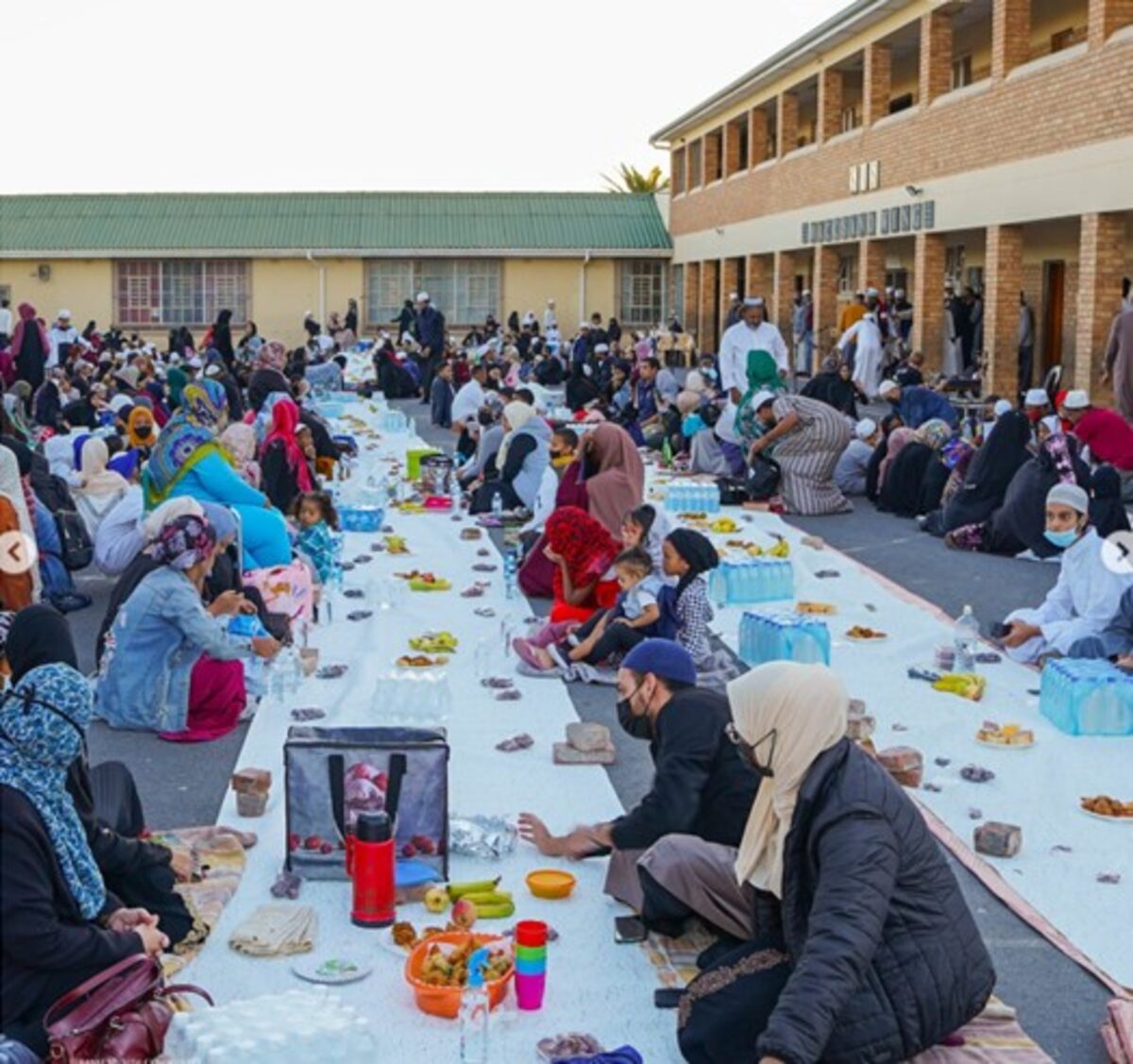
I can just smell the sweetness of freshly syruped koesisters (spiced doughnuts soaked in syrup and rolled in coconut), the boeka treats (snacks eaten to break the fast during Ramadan), the mass boekas (community iftar gatherings), and the barakats (gift packs of food) that follow every religious or celebratory event.
With roots that touch nearly every continent, my community has lived under every South African flag that’s ever been raised. They’ve forgotten that our people helped birth Afrikaans.
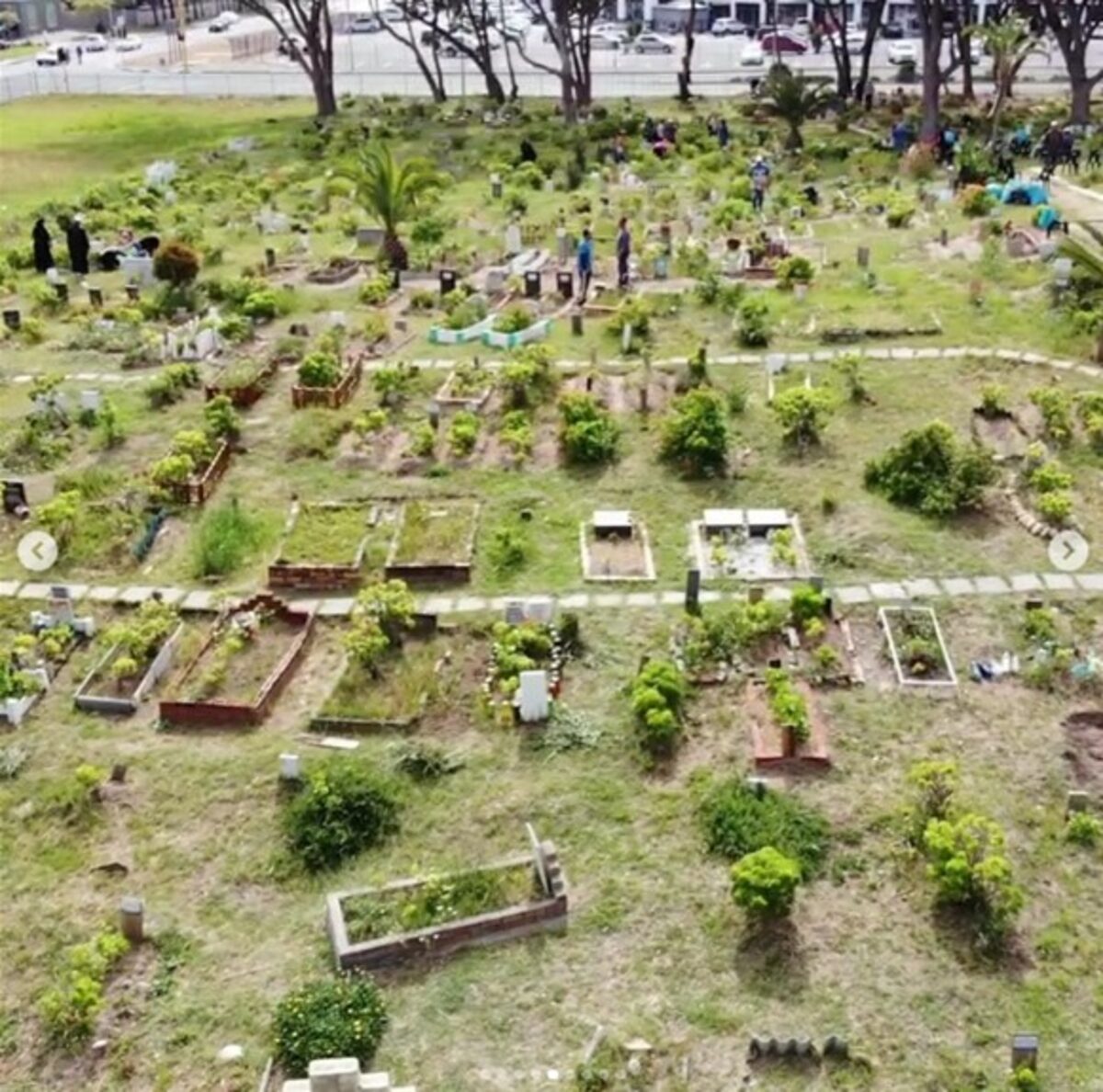
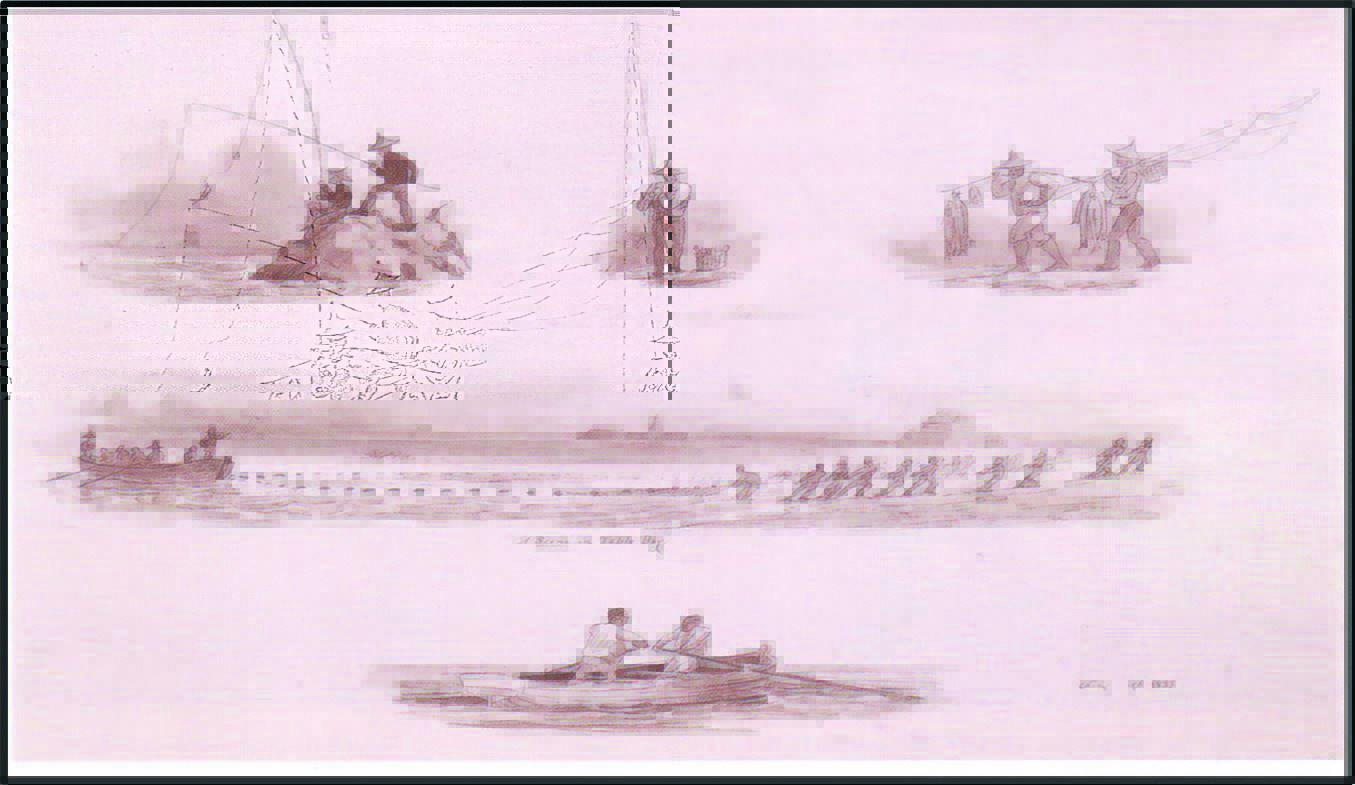
That our families were forcibly removed from the “coastal areas” or as my grandparents called it, “The Strand”.
That our mosques throughout Strand carry more history than many textbooks. That our karamats still carry the prayers of our ancestors.
And yes, our food tells our story too:
• samoosas – triangles of love, folded by hand; not “hot pockets”, its name reduced down to accommodate foreign tongues;
• falooda – cold milk dessert with rose syrup, and sabja seeds; not any ordinary “strawberry milkshake” you find in supermarkets;
• daltjies – deep fried spicy fritters with fresh spinach shared with neighbours; not perfectly rounded chilli bites; and
• boeber – warm rosewater milk, vermicelli and cardamon, stirred by our grandmothers on sacred nights; not a premix dessert made in two minutes.
These aren’t just foods. They are resistance. They are heritage.
And don’t get me started on the Hert-
zoggie – that little coconut and jam tart baked in nearly every Muslim home before Eid.
These were all created by Muslim women to support a political promise that later disappointed them, giving birth to the twee-gevreetjie… That biscuit has more political weight than most speeches ever will.
Yet, with all this richness, I still get asked where I’m from… I say Strand. They say: “No, like originally?”
I say: “Cape Town?” They say: “No, but your people?”
I say: “Here. My people are from here.”
In this country – so beautiful and so broken – I’m “too white to be black and too black to be white”. I exist in the in-between. In a democratic country, yet still asked to prove myself. Our call to prayers needs to be made softer because others cannot respect 90 seconds. I get stares because my hijab (headscarf) seems “suspicious”.
But I’m done proving. I won’t give you my Imam’s letter to justify my religion. I won’t apologise for celebrating Eid. I won’t make my heritage more palatable to fit your shelves.
Instead, I’ll stand tall. I’ll live our culture. I’ll cook the food that tells our stories. I’ll wear my scarf in every classroom, lecture hall, and boardroom – and let it speak before I do.
Because enough is enough.
We, the Cape Malay Muslim community of Strand, are not remnants of the past.
We are its future. And we will not be erased.
FATHIYAH AZIZ,
Strand

You must be logged in to post a comment.