

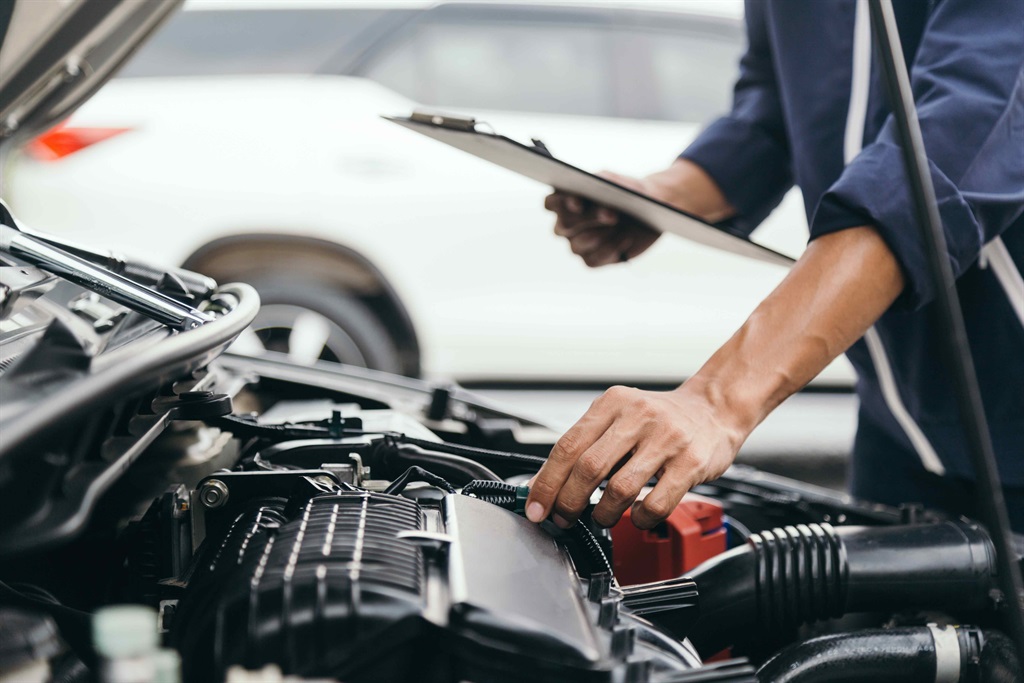
Many common breakdowns and expensive repairs can be prevented by conducting proper and regular car maintenance.
Car maintenance, also called “preventive maintenance”, is a proactive approach to keeping your vehicle in excellent working condition, saving time and money on expensive repairs.
Mechanical problems are often caused by insufficient or poor maintenance. “Most mechanical problems don’t show up out of the blue; they are often related to insufficient or poor maintenance,” said Jarrod Berman, managing director of MotorHappy, a supplier of motor management solutions. “When some mechanical problems are not addressed on time, they can cause severe damage to other parts.”
He said the following maintenance tasks will help keep your car in good condition for longer. However, it is important to consult your owner’s manual for recommendations specific to your vehicle.
- Check fluid levels once a month and before a long trip. Some engines tend to burn oil even in perfect working conditions. Always keep your engine oil above the minimum mark on the dipstick.
- Check for any leaks under your vehicle, especially under the engine. If it’s necessary to top up your coolant level frequently, have your vehicle checked as soon as possible.
- Change oil and filter annually or between 6 000 and 15 000 kilometres, whichever comes first.. While you’re changing the oil, also change the air and cabin filter. Air filters clog over time, decreasing your engine’s performance and increasing fuel consumption. Replacing the engine air filter periodically is the best way to keep your engine in good condition.
- Keep an eye on your tyres, with wheel rotation, balance, and alignment every six months or 10 000 to 15 000 kilometres. This practice helps your tyres to wear more evenly, extending their life span and reducing vibrations and excessive noise caused by uneven wear.
- Replace brake pads, approximately every 50 000 kilometres, however this will vary depending on your driving style. Most modern vehicles have a warning light that indicates the pads need to be replaced. However, when you see that indicator, it may be too late, and your brake discs may already have been scratched by the pads’ backplate, resulting in a costly repair.
- Replace spark plugs every 50 000 to 60 000 km. Spark plugs become less efficient as they age, causing the engine to lose power. Moreover, the cylinder may even stop working. Running a vehicle with worn spark plugs for extended periods may also harm the ignition coils.
Always pay attention to strange sounds or smells coming from your car’s engine, Berman says.
“If you hear strange noises or notice your vehicle doesn’t handle as usual, have your suspension checked as soon as possible.”
Preventive maintenance may seem tedious and expensive; however, following a well-programmed maintenance routine is cheaper and more effective than the reactive approach of car repair, which focuses on fixing what’s already broken.
A car-maintenance plan offers fixed and convenient monthly payment options, and takes care of any services your car needs, and covers wear-and-tear items, unscheduled repairs, and parts and labour that aren’t included in a typical car service plan.

