
Do you recall the catchy jingle, “braaivleis, rugby, sunny skies and Chevrolet,” from the golden era of General Motors South Africa (GMSA) in the 1970s? It nostalgically made a comeback in 2009, only for the Chevrolet brand, sadly to withdraw once again from the market in 2017. Other American marques such as Chrysler, Dodge and AMC’s Rambler have also faded into history, leaving behind only memories of their heyday.
Among the legacy brands of the last century, only Toyota, Volkswagen (VW), Ford (with its popular Ranger bakkies), Isuzu and Renault remain in the top 10.
British brands, with the exception of Jaguar and Land Rover, departed long ago. Names such as MG, Austin, Wolseley, Morris, Vauxhall and Rover became relics about 50 years ago, while Mini lives under the BMW umbrella.
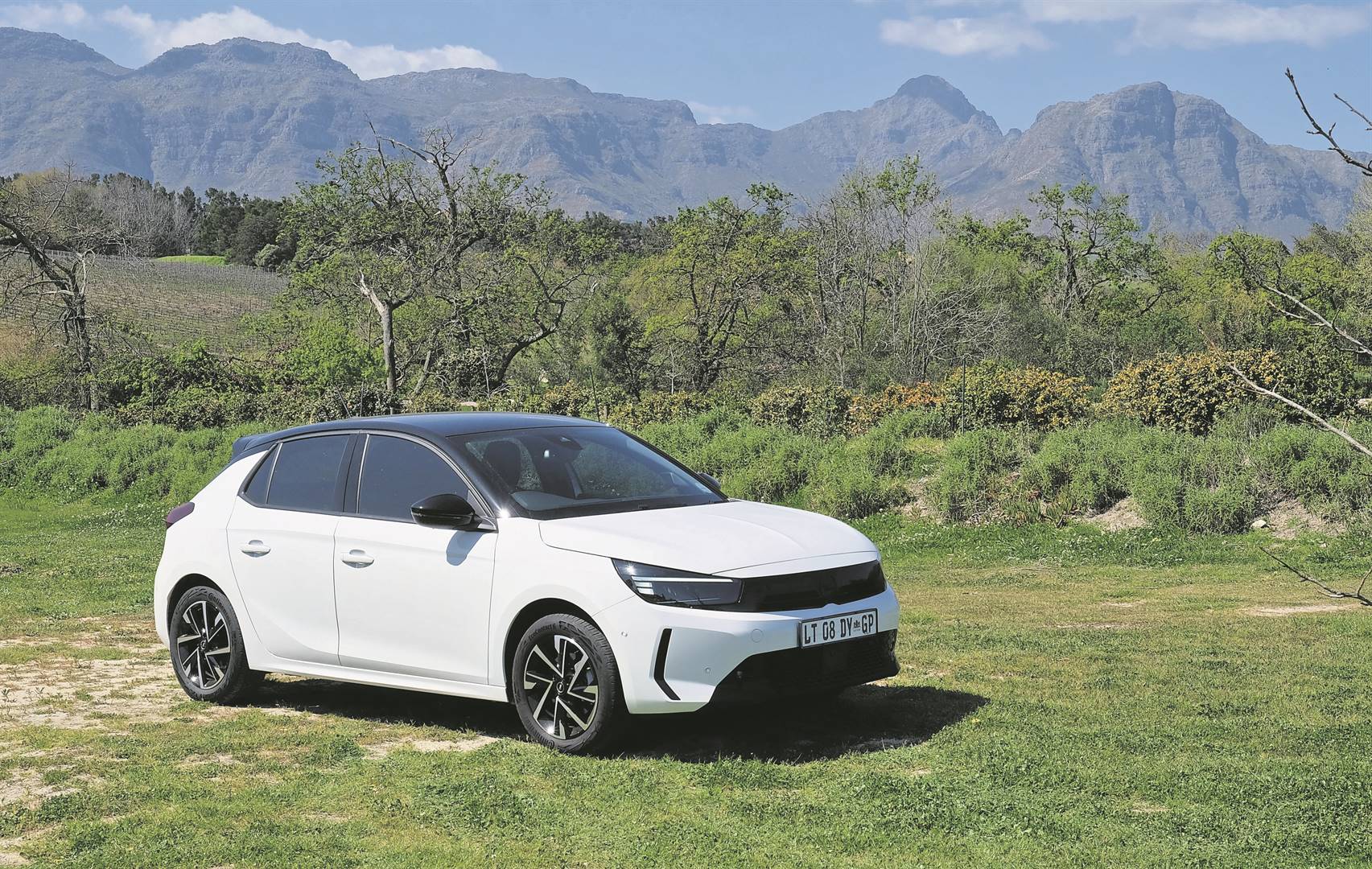
German brands have endured over the years, although Audi, BMW and Mercedes-Benz struggle to maintain their former sales glory. None of these marques are in the current top ten, aside from Volkswagen, which holds onto second place. Opel, now part of the enlarged Stellantis group, is attempting a comeback as a sportier luxury brand. Remarkably, Mercedes-Benz stands as the biggest car exporter by a large margin, surpassing both Toyota and VW combined in exports.
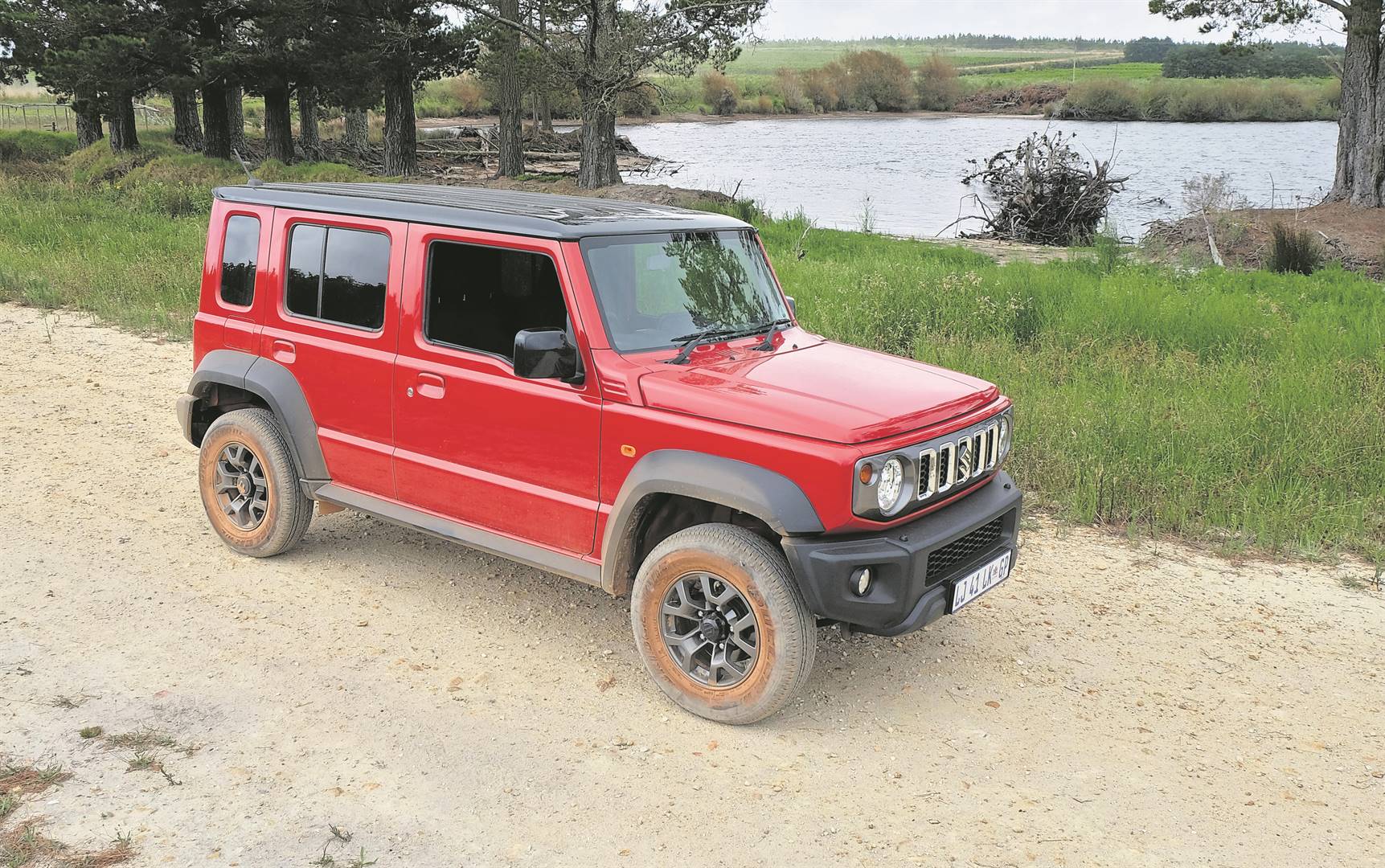
Japanese brands present a mixed scenario. Toyota reigns supreme, securing the top spot with almost double the sales of the second-placed VW. Isuzu holds on in sixth, but Nissan has slipped to 12th, just 200 units shy of a top 10 spot. Honda and Mazda sales have dwindled, with Subaru and Mitsubishi also barely hanging on. Meanwhile, Suzuki has been on the rise, getting closer to overtaking the VW Group’s combined sales of VW and Audi cars.
Italian brands such as Lancia, Alfa Romeo and Fiat, though historically magical in motoring terms, are nearly absent from our market, as if they’ve “rusted away.”
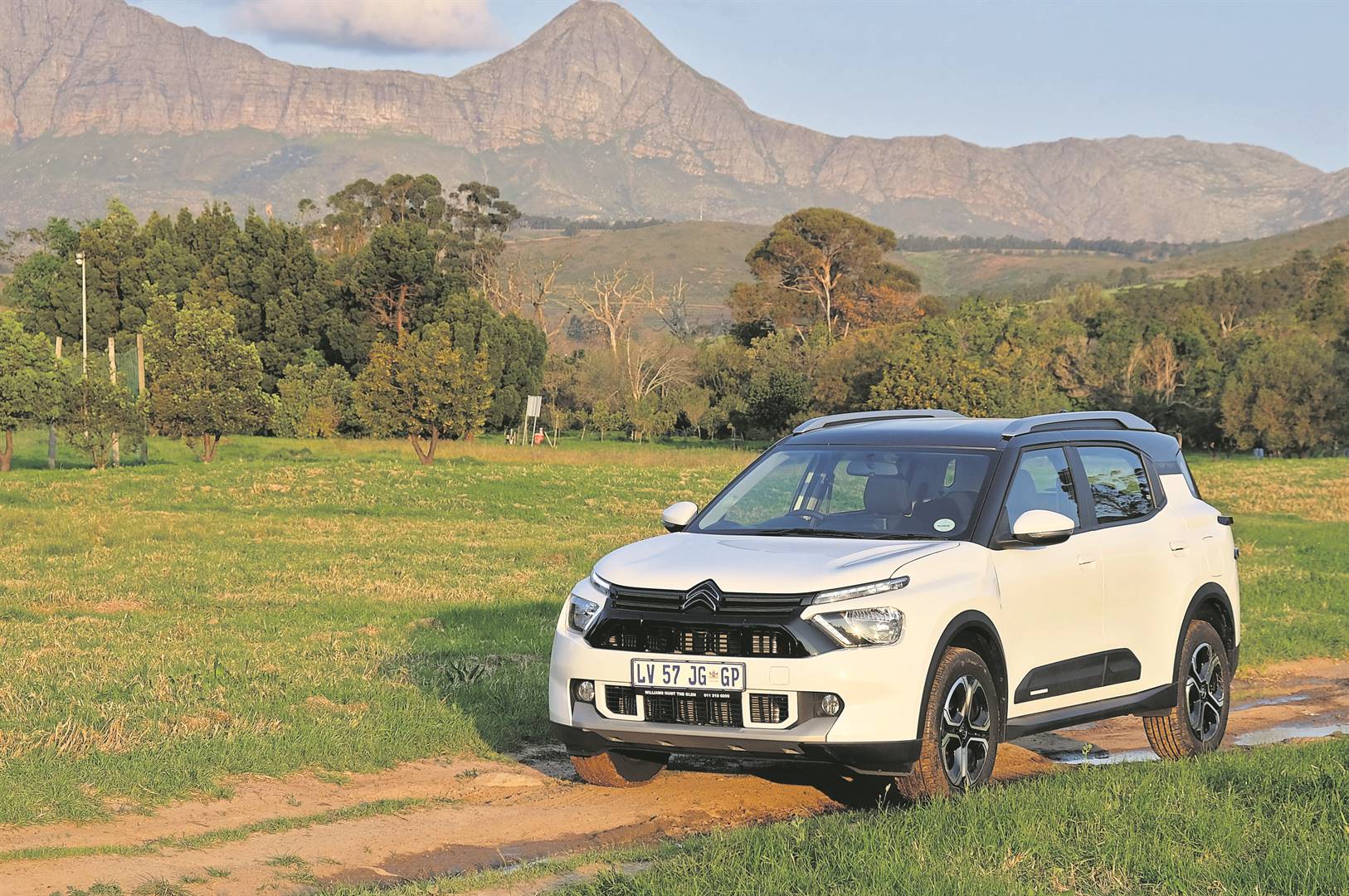
French brands show a mixed performance as well. Renault enjoys ninth place with some competitive models in the pipeline. However, Citroën and Peugeot, now part of Stellantis, struggle to gain traction despite offering good cars. Their strategy seems directed towards positioning Citroën as a budget brand and Peugeot mid-market.
Korean brands Hyundai and Kia have firmly established themselves in the top ten, positioned at fifth and 10th, respectively, with Kia’s sportier image complementing Hyundai’s broad appeal.
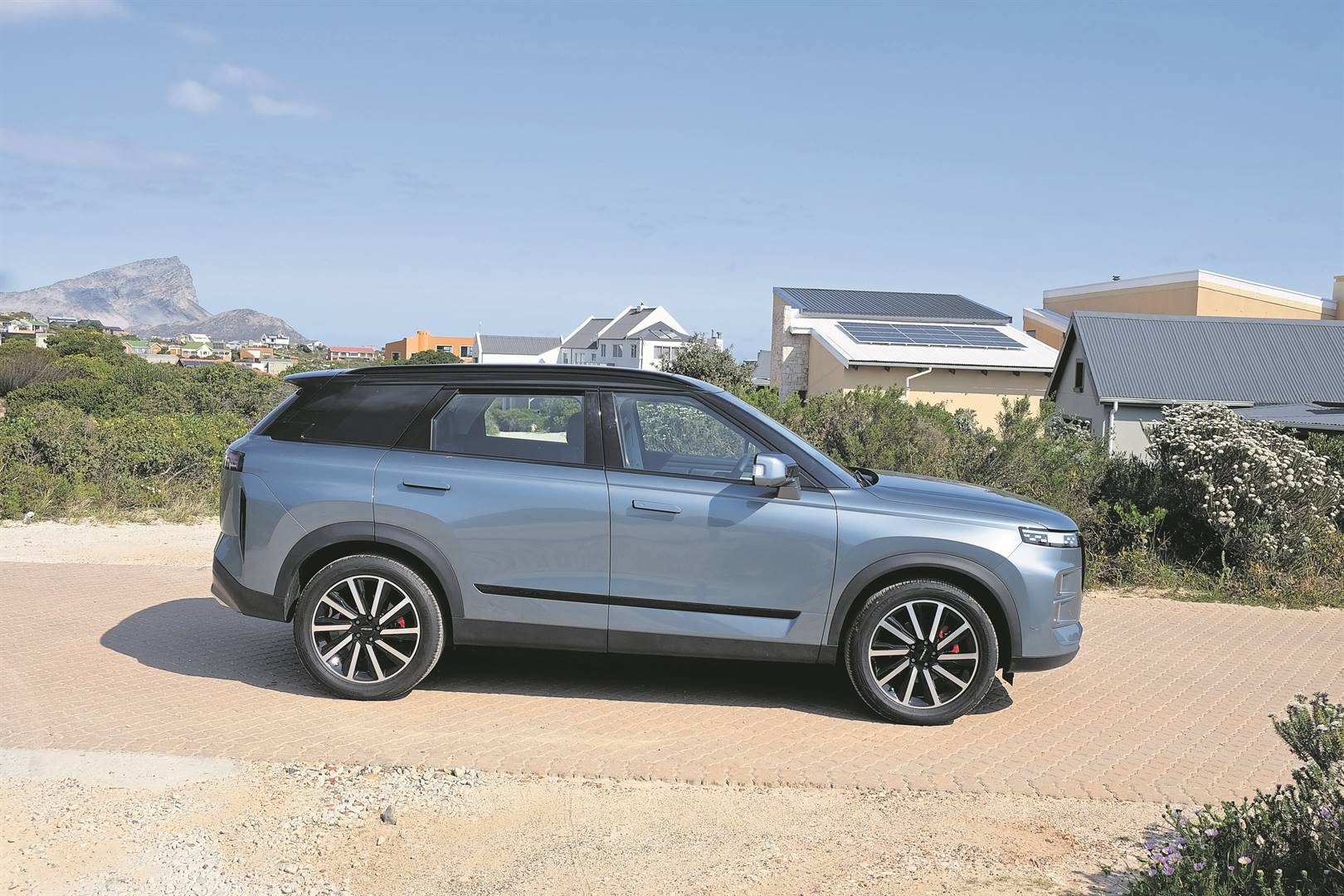
The real story over the last three years is the surge of Chinese manufacturers, notably GWM and Chery, who compete closely for seventh and eighth places. Brands like JAC and BAIC seem to be struggling slightly with market adaptation. Mahindra, sitting at 11th, is a dark horse, known for robust vehicles, including world-leading tractors. The local assembly plant reflects its commitment to the market, and their upcoming leisure bakkie could stir the segment.
While the future remains unpredictable, it seems brands such as Audi and Mercedes-Benz may become niche players. Italian brands could fade further and smaller Japanese ones may vanish entirely. Among Chinese manufacturers, only GWM and Chery appear to have gained significant momentum.
The market could consolidate to about 12 to 14 key manufacturers. We may see Toyota, Volkswagen, Suzuki, and Hyundai leading at the top, with Renault, Kia, Mahindra, and Nissan fighting to stay relevant, and Ford, Isuzu, Chery and GWM holding ground in the middle.
Change is imminent with new technology. The shift to mild hybrid and hydrogen technology, either as fuel for ICE engines or in fuel cells, could redefine the market. Toyota and Hyundai lead here, with Suzuki and Mazda linked to these advancements.
For now, Toyota’s old slogan “Everything keeps going right…”, may indeed hold true for the future.