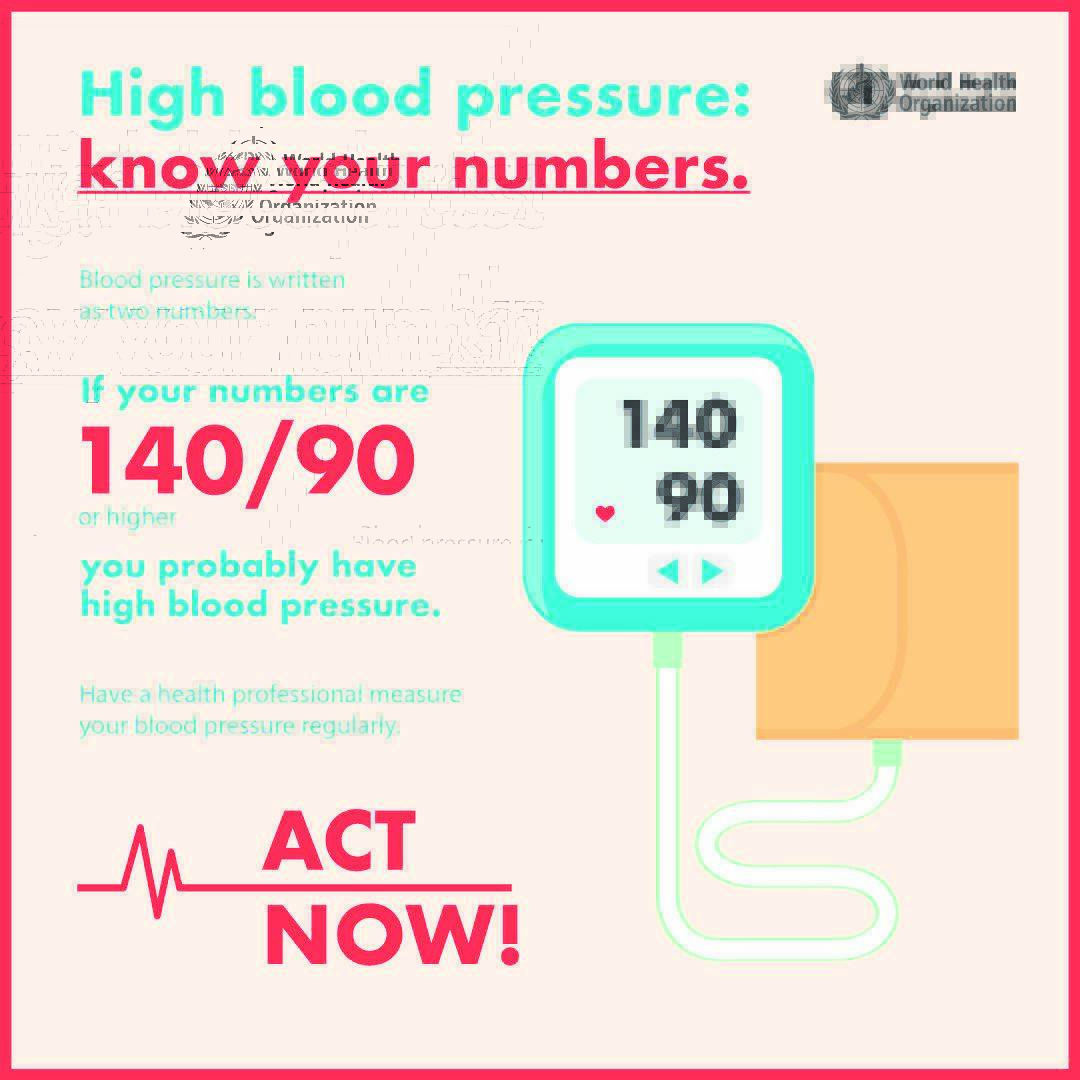

Hypertension, also known as high blood pressure, occurs when the pressure in your blood vessels is too high – generally considered to be 140/90 mmHg or higher – and is a major risk factor for heart disease and strokes. It is important to draw attention to this common, but dangerous and potentially deadly condition. If you are living with hypertension it needs to be controlled effectively, otherwise you may be at risk of a heart attack or other serious illnesses. It also becomes important to understand your medical-aid cover and where medical expense shortfalls could occur if the worst should happen – and to have gap cover in place to mitigate these shortfalls.
Tony Singleton, MD at Turnberry Risk Management Solutions says it is essential that you seek the advice of a medical professional to be diagnosed and advised on a course of action when dealing with any medical condition.
South Africa has a high prevalence of hypertension, but the extent of the problem varies depending on which source you look at. According to the South African Hypertension Society, one in four men and one in five women over age 25 have hypertension, while a study by Global Epidemiology puts this figure much higher, stating that 45% of men and 48% of women older than 15 years have the condition. The World Health Organisation (WHO) estimates that raised blood pressure causes 7,5 million deaths annually around the world.
Singleton, however, says hypertension does not usually cause symptoms and many people in South Africa are unaware that they have the condition. This silent killer can harm the artery walls and cause plaques or fatty deposits to accumulate. These plaques can gradually restrict the arteries and lessen blood flow to the heart. In addition, high blood pressure can make the artery walls stiff and thick, which makes it harder for the heart to pump blood through the veins. While hypertension often leads to a stroke, it is also a leading risk factor in coronary and ischemic heart disease and can cause heart attacks. The Heart and Stroke Foundation says that hypertension is the leading risk factor for stroke in South Africa, responsible for 1 in 2 (50%) strokes and 2 in 5 (42%) heart attacks.
Managing hypertension
The only way to diagnose hypertension is to check your blood pressure regularly. Once it has been diagnosed, there are medical treatments available that aim to reduce blood pressure to below the 140/90 mmHg threshold, but it is important to also consider lifestyle factors in managing this condition. Being overweight or obese can increase your blood pressure, so it is important to maintain a healthy weight.
Are you covered?
If you are diagnosed with hypertension and have a stroke or a heart attack, it is essential to understand how you are covered. Most heart conditions are covered as a Prescribed Minimum Benefit (PMB), which means that if you make use of a Designated Service Provider (DSP) to obtain treatment it will be fully covered by your medical aid. The exception is if there is a life-threatening emergency where a member could not select a DSP, in which case the claim will be funded in full until the member is stabilised. They will then need to be moved to a DSP if they want the medical scheme to continue to fully fund the treatment. If a DSP is not used, the member will experience medical expense shortfalls. However, while heart diseases are typically PMBs, there are certain elements of treatment that may be subject to sub-limits. For example, the stents that are used to open blocked coronary arteries are prostheses, as are pacemakers, which means medical schemes may fund only a portion of the cost or there may be a co-payment attached. There may also be shortfalls regarding doctors, specialists and surgeons, which can be extremely costly.
Filling the gap
When it comes to a condition such as hypertension, which can lead to serious illnesses, it pays to have gap cover in place to help lessen the burden of medical expense shortfalls, which can be extreme. For example, one claim for a cardiothoracic surgeon, for the treatment of acute ischaemic heart disease, was charged at R141 862.34. The medical scheme paid R51 681,90, leaving a shortfall of R83 867,81, which would have fallen to the member to pay, had they not had gap cover. Another claim for unstable angina and atherosclerotic heart disease saw a member experience a shortfall of R71 383,90 for the cardiothoracic surgeon, R22 500,76 for the anaesthetist and R16 277,12 for the cardiologist, a total shortfall of R110 161,78.
Apart from being left in debt due to medical expenses, these medical conditions are life changing events. A heart attack or stroke causes severe damage to an essential organ, and the recovery from open-heart surgery is long and arduous. If you have a stroke, you may become paralysed. Kidney disease means dialysis for the rest of your life. It is always best to maintain a healthy lifestyle and take advantage of the free checks and screenings that are available so you know what your blood pressure is.
If you are found to be hypertensive, then medication and lifestyle changes can help to prevent these catastrophic consequences. Hypertension is also on the chronic disease list, so if you are diagnosed with this problem it must be registered with the chronic department of your medical scheme for access to a basket of care funded from the risk benefit of the medical scheme. This includes formulary medication, specific doctors’ visits and further testing to ensure that your condition is being well controlled and maintained.
Should the worst occur it is always comforting to know that you have cover for medical expense shortfalls that might occur. To protect your financial well-being as well as your health it is always important to talk to your financial advisor about a gap-cover plan that will suit your needs.