
The National Sea Rescue Institute (NSRI) has urged all beachgoers to exercise caution when visiting the coast, as the upcoming full-moon Spring tide is set to peak on Wednesday 15 January.
The spring tide coincides with the full moon on Tuesday the 14th, significantly impacting tidal conditions during the last days of the school holiday. The natural phenomenon occurs when the sun, moon and Earth align during the new-moon phase, amplifying the gravitational pull on Earth’s oceans.
During full-moon spring tide there are higher high tides, lower low tides and an increased tidal range. The effects of spring tides will last several days before and after 15 January.
Spring tides often result in stronger tidal currents, particularly in narrow inlets. This period may present potential dangers, such as more intense rip currents posing a risk to swimmers, some hiking trails near the coast may become inaccessible or hazardous during high tide, and shoreline anglers should exercise extra caution as higher waves may reach beyond usual safe zones.
To ensure safety while enjoying coastal activities, the NSRI recommends the following precautions:
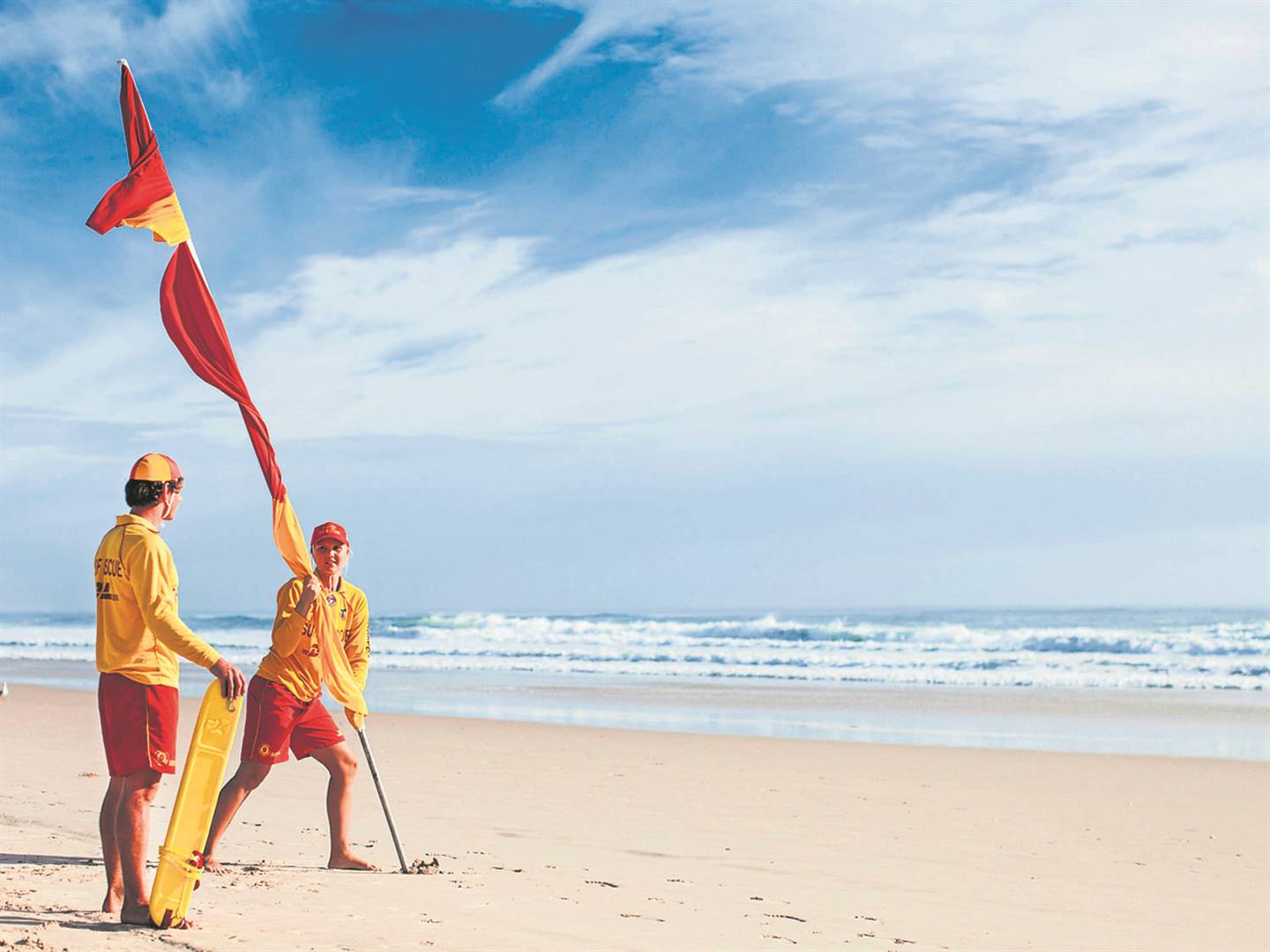
. Swim at lifeguard-protected beaches between lifeguard flags.
. Be aware of rip currents.
. Stay informed by checking daily weather forecasts from the South African Weather Service and consulting tide timetables.
. When hiking, plan your hikes carefully, avoiding trails that may be cut off during high tide in the late afternoon.
. Shoreline anglers should maintain a safe distance from the water. When fishing from rocks or cliffs, wear a life jacket and carry flotation equipment that can be thrown to someone in the water.
. When boating and paddling, always wear life jackets, carry essential safety equipment, and keep your cellphone fully charged in a waterproof pouch. The NSRI SafeTrx app allows you to log your trip and call the NSRI for help quickly and easily.
In general, the organisation reminds beachgoers they should not drink alcohol before an activity in or near water, always ensure children are supervised by a responsible adult, be cautious during tide changes, follow local safety alerts and warnings, and save the emergency number (112) on your cellphone in case of emergency
For further updates and emergency assistance, visit www.nsri.org.za.