

It has been a dry season by most measures, but nature offered some welcome relief last week when powerful storms swept through the Garden Route and the Central Karoo, lashing the landscape with the kind of rain that fills rivers overnight and sends dry river beds rushing back to life.
Then, over the weekend, the rains extended their reach across the rest of the province, soaking the catchments that feed its most vital reservoirs.
The latest weekly dam level report, issued by the national Department of Water and Sanitation on Monday (11 May), captures exactly what those storms have left behind.
Across the entire province dam levels stands at 52,5% full, a meaningful climb from 44,9% last week, with the region visibly drinking in the season’s gifts. The total net volume held across all dams has reached 981,5 million cubic metres, a figure drawing quiet relief from water managers and farmers alike.
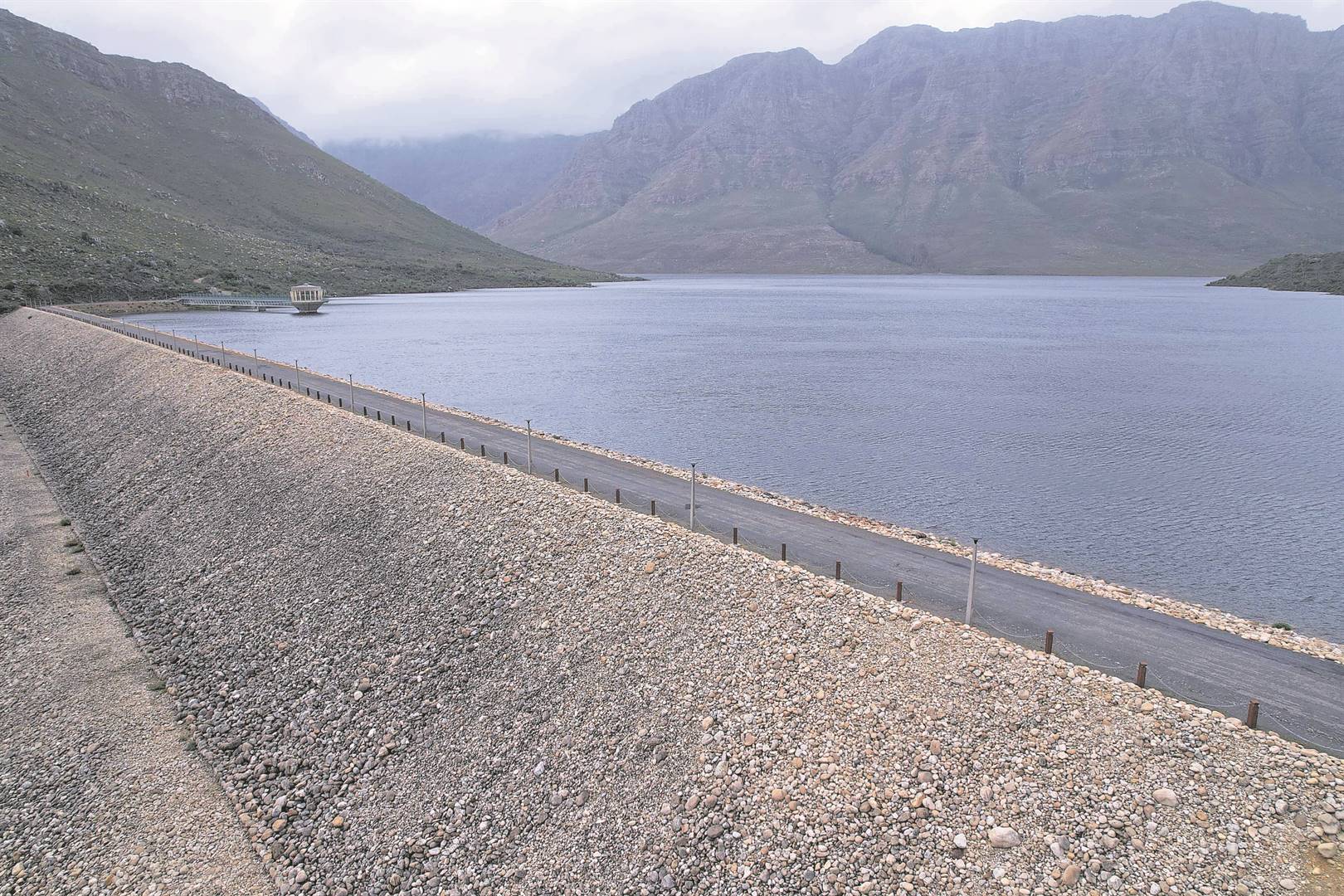
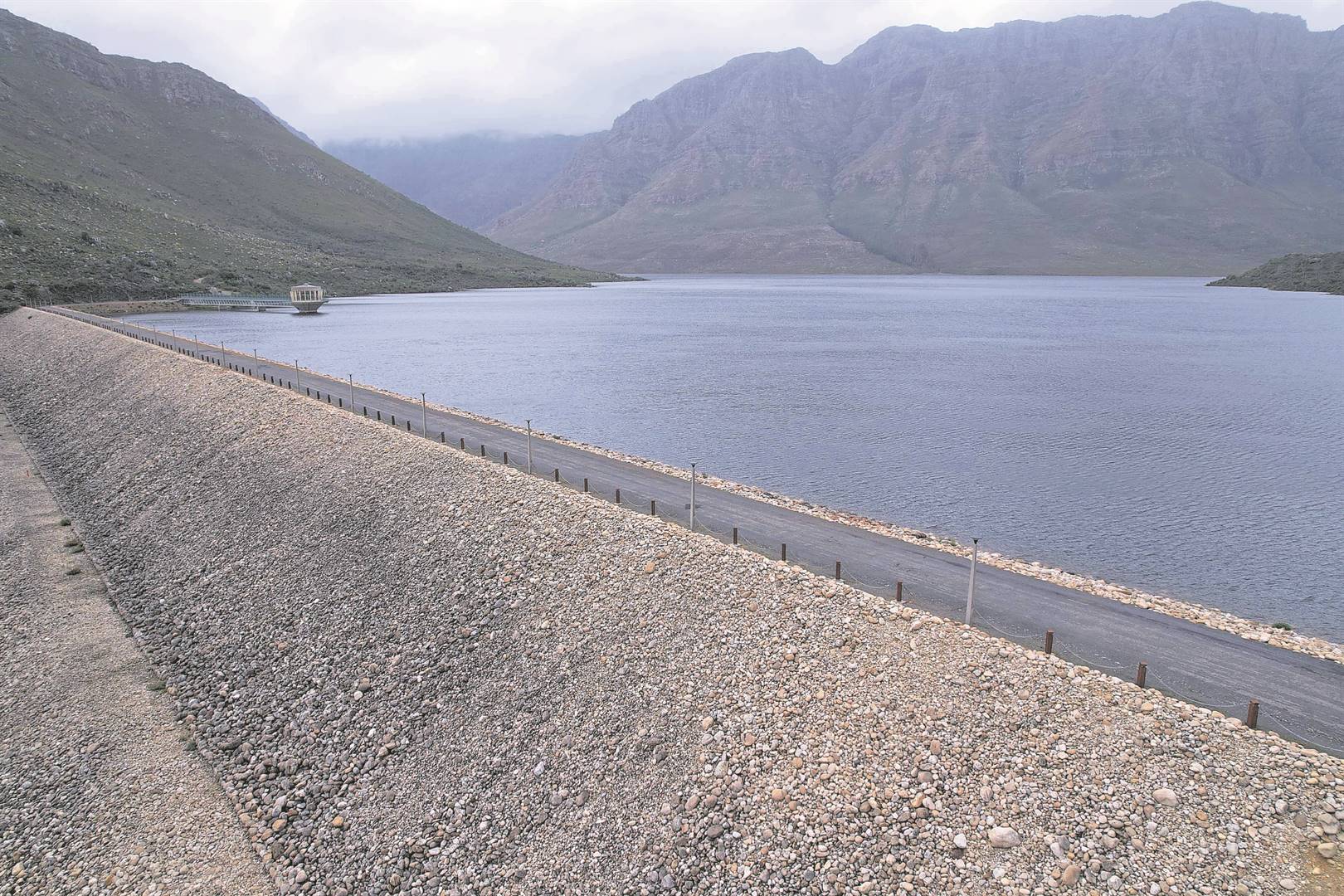
In Cape Town the city’s combined dam system – fed by the iconic giants of Wemmershoek, Voëlvlei, Steenbras, Theewaterskloof and Berg River – sits at 50,5%, up from 47,8% just a week ago.
Theewaterskloof, the region’s largest reservoir, has edged to 49,5% after soaking up 65 mm of rainfall in the past seven days.
But it is in the Gouritz River Catchment where the most dramatic scenes are unfolding. The dam system there surged to an extraordinary 88,8% full, up sharply from 52,2% just last week. Stompdrift, Kammanassie, and Gamkapoort have all burst past 100% capacity, while Little Gamka-dam is now at 100,25% after sitting quietly at just 16,5% last week. Further north, the Olifants/Doorn River Catchment paints a more sober picture at only 25,9% full.
The Misverstand Dam in the Berg River Catchment is already overflowing at 116,9%. Nearby, Wemmershoek and Berg River dams have both climbed above 50%, inching towards the comfort zone water authorities hope to sustain.