
As result of the recent wildfire, the
Helderberg Nature Reserve will remain closed for the next month.
The closure was announced by the City of Cape
Town earlier today (Tuesday) and follows after the devastating fire which broke
out on the mountain slopes above Lourensford Wine Estate last Wednesday (8
June). The inferno raged on for five days due to windy weather conditions.
The blaze was successfully extinguished on
Sunday evening (12 June) with the start of the week’s downpour. The incident
left several homes in Silwerboomkloof Road gutted, two firefighters
hospitalised and many animals fatally injured.
According to the City, the reserve has been closed
to provide the its Biodiversity Management team the opportunity to assess the
damage and determine which reinstatement measures are required.
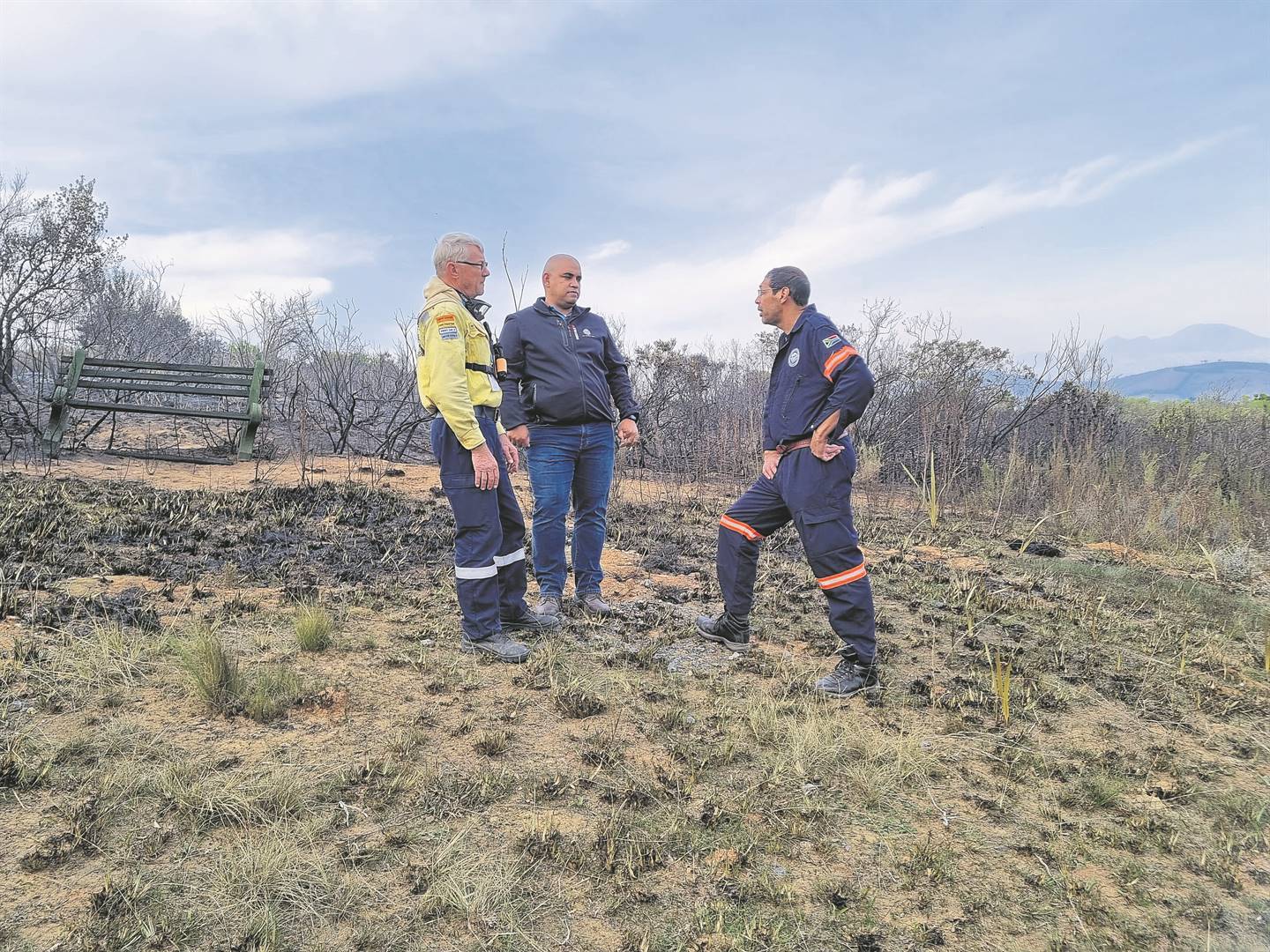
Approximately 280 ha of the reserve has been
burnt, however, ecologically, the fire has not had a negative impact as much of
the veld was mature and due for a managed ecological burn. Teams confirmed that
various benches, water bars on the trails and a portion of the boardwalk around
the duck pond was destroyed by the fire.
“I would like to thank the City teams and all
our partners for being on the frontline with managing this wildfire and for the
seamless operational planning and teamwork displayed throughout our response.
Over the next few weeks, the reserve staff will attend to urgent erosion work
and will focus on making the infrastructure, such as the fences and picnic
area, safe for public use,” said Eddie Andrews, deputy mayor and Mayoral
Committee member for Spatial Planning and Environment.
Meanwhile, Koos Jordaan, CEO of Lourensford
Properties, said they have appointed an indenpendent forensic fire
investigating expert to delve into the cause of the fire, which is yet to be
determined.
He also thanked
everyone who helped with firefighting and supportive efforts, as well as those
who generously donated supplies to firefighters.
“Over 700 ha of fynbos and ex-plantation areas were destroyed. Since
Wednesday afternoon all possible resources were utilised to contain the fire on
a very wide fire line,” Jordaan said in a statement.
“This included helicopter air support, equipment and staff from City of
Cape town, Working on Fire, CapeNature and numerous wildfire volunteer groups.
From early Saturday morning, extremely windy conditions made firefighting
almost impossible. Fortunately, no-one was badly hurt and the estate is still
accessing damages to infrastructure, inter alia, orchard netting and irrigation
lines.”
While wildfires are
unplanned, they provide the opportunity to achieve several interventions after
the fire, Andrews added. “One can remove old infrastructure such as internal
fences, and potentially remove, dumping and other foreign material. As in the
case of the Helderberg reserve, the fire is also a great catalyst for speeding
up planned ecological restoration activities. Alien plants in the area can also
be controlled now as they germinate after the fire and the team can look at
introducing locally indigenous species in degraded areas.”
Fires are regarded critical ecological driving
forces and good for conserving fynbos biodiversity in the long-term, as the
fynbos vegetation requires fire to regenerate from underground storage organs
and seeds.
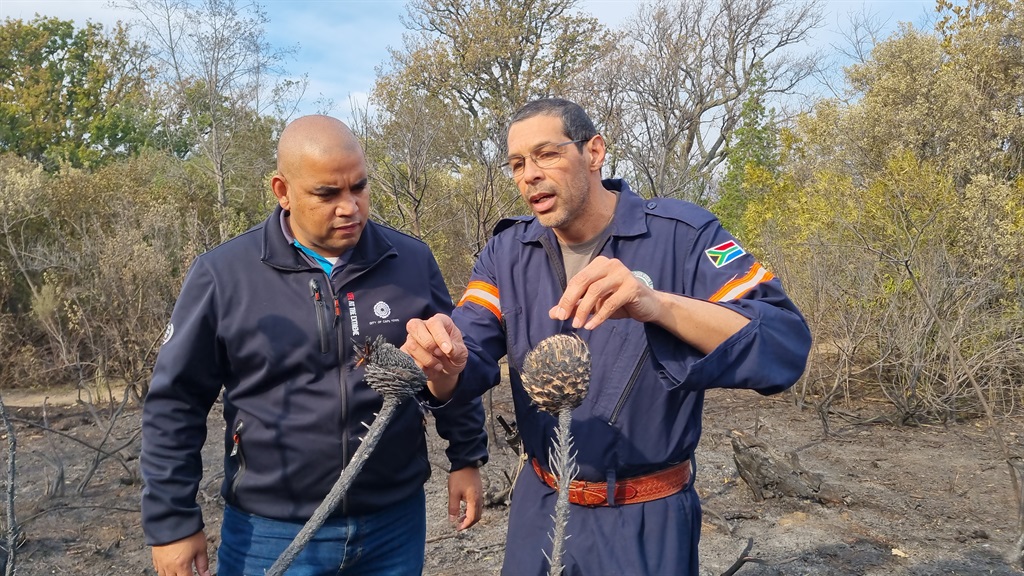
“Most of the vegetation in the area of this
fire was already 13 years old, therefore good seed banks are in place for
germinating this winter. We therefore look forward to spectacular bulb displays
in the reserve this spring,” Andrews added.
Fauna are also adapted to fire. The more
mobile animals such as antelope and most birds are able to flee the fire front.
Rodents, reptiles and many other small mammals take refuge in burrows or rocky
refugia and thus avoid the fire. After the fire, remarkably few dead animals
are found, but unfortunately some die, such as some of the tortoises that
didn’t manage to find a spot to avoid the fire. However the buried tortoise
eggs survive.
The impact on fauna are more severe in areas
infested with alien vegetation, as animals are unable to find safe refuge
because these infested areas can burn up to 10 times hotter. The urban edge and
fencing can also be significant barriers to animal movement, preventing many
animals from being able to flee.
The City undertook to provide further updates
pertaining to the reopening of the reserve closer to the time.