

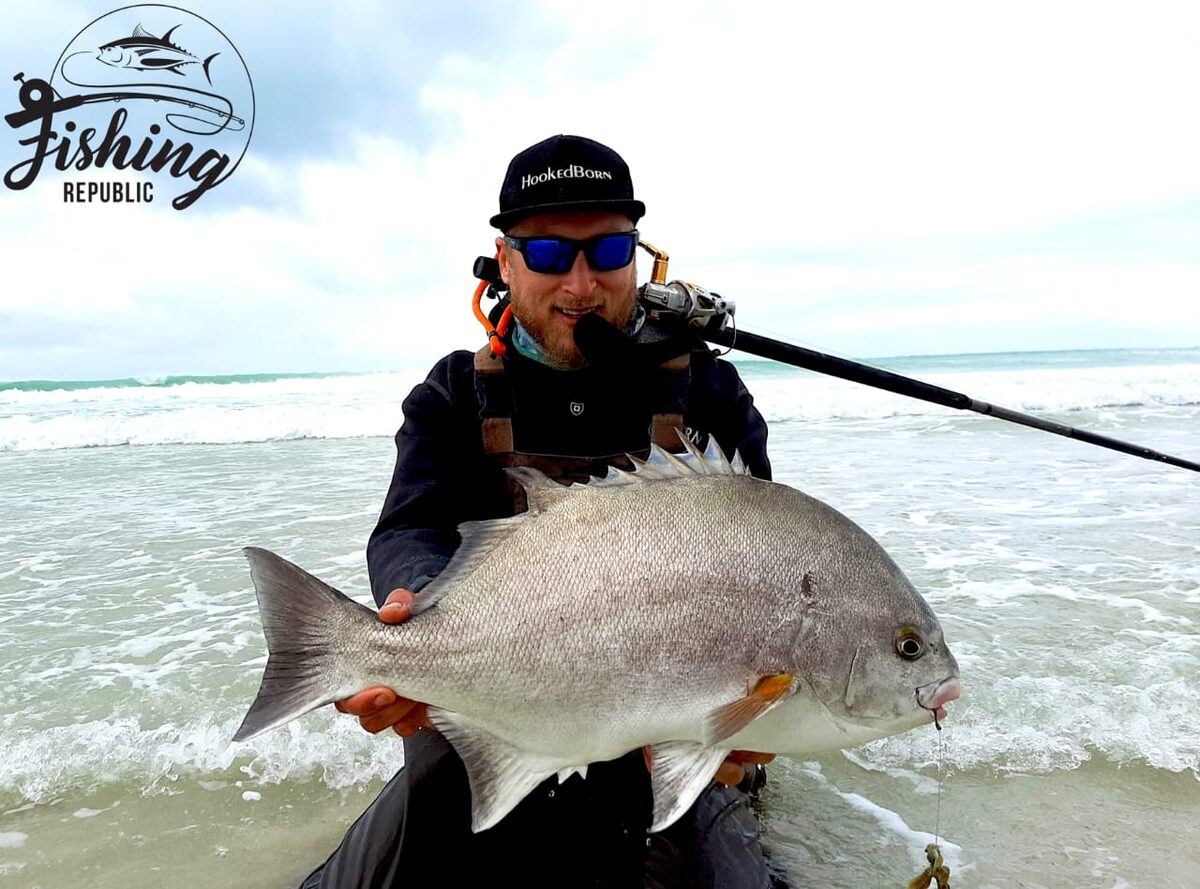

As winter settles along South Africa’s southern coast, from the nutrient-rich waters of False Bay to the rugged points of Arniston and Struisbaai, many anglers retreat waiting for the warmer months to return.
But for a growing community of dedicated fishermen, winter is prime time, especially for those armed with slow-pitch jigs and the knowledge to use them.
Slow pitch jigging, a refined vertical fishing technique developed in Japan, is fast gaining traction in local waters. It’s designed not for speed but for subtlety, making it perfect for targeting cold-water species that are slower and more cautious in the colder water.
The method involves working a specially designed metal jig with slow, rhythmic movements that cause it to flutter and fall like a wounded baitfish, shrimp or squid, a presentation few reef or bottom-dwelling fish can resist.
Why slow-pitch in winter?
In the cooler months fish metabolisms slow down. This means they’re less likely to chase fast-moving lures or respond to aggressive retrieves. Slow-pitch jigging’s appeal lies in its ability to linger in the strike zone, keeping the jig suspended longer over reefs, wrecks, or sandy channels.
Anglers using this method are reporting excellent catches, even on days when bait anglers struggle. The key is precision – knowing where to drop, how deep to work and what rhythm to use. And, of course, a lot of casting and even more patience is required.
Top winter-jigging species one would love to catch on a slow-pitch jig:
1. White musselcracker
One of the most prized catches in winter, the musselcracker is typically targeted with heavy gear and baits such as crab, redbait , alikrik and so on, but they respond surprisingly well to slow-pitch jigs fished tight to rocky bottoms. Look for them around reef edges, underwater ledges and broken reef structures. Although I don’t know of many big ones landed on lure I do know of a few smaller fish caught on slow pitches.
2. Belman/Baardman
These sandy-bottom dwellers thrive in shallow water-surf zones and channels and can also be caught in areas with reefy overhangs. A small, slow-falling jig, working gently over clean sandbanks adjacent to reef, is highly effective. Use smaller-profile jigs (10 g to 40 g), with subtle silver or natural baitfish colour patterns. Try to match a shrimp or small squid’s movements. The guys who put in the time on the fly have had great success catching belman and steenbras in shallow water for years already. A correctly-presented slow jig will definitely be effective.
3. White steenbras
As mentioned above, white steenbras are commonly caught by fly fishermen, especially the guys working the estuaries for grunter, often small steenbras, by catch, more recently though the guys using micro jigs fishing the shallow sandbanks in the surf zone have started to have great success using this method. A small jig worked slowly, mimicking a shrimp, or small baitfish works really well.
4. Kob and Geelbek
As we know, these two species can definitely be targeted on lure, although predominantly a summer species , fishing very light tackle with small lures seems to produce the bite from these fish when the conditions are right.
5. Red Roman
I have personally seen how a Jig catches double the amount of Roman than the guys fishing bait. Unbelievable to most but something that you have to try before you make assumptions.
From a boat a slow-pitch jig can be deadly, yellowtail, katonkel and even yellowfin tuna cant resist a well-worked jig, red steenbras, red stumpnose and many other reef dwellers will not leave a well presented and worked jig alone.
To make the most of this technique tackle selection is key. Use a purpose-built slow-pitch rod, longer parabolic blanks that flex through the midsection to work the jig properly without jerky movements.
For shore-based jigging a small spinning-reel size 4 000, 5 000 or even 6 000 is ideal. Depending on your target species one can adjust the braid you want to use, 8 lb, 12 lb or 20lb for your sandy sections and 30 lb, 40 lb or even 50 lb for fowl reefy areas where one needs to pressure a fish properly.
Braided mainline is preferred for its sensitivity and the action it puts on a lure, paired with a fluorocarbon leader for abrasion resistance near structure.
Choose jigs designed for fluttering; centre-weighted or flat-sided patterns in natural, glow or UV-reactive colours, depending on depth and water clarity and the fish you will be targeting, there are many many jigs on the market, jigparas from majorcraft are a must have in any serious slow pitch jiggers box. They have amazing action, great colours and proper hooks. You just tie it on and off you go.
The retrieve is everything: a gentle lift of the rod tip, a pause, then a slow drop. Let the jig fall naturally, this is often when you get the bite fish strike. Although this is only one example there is no right or wrong retrieve. Each species will require a different retrieve, and once again, they match the speed, movement, and shape of the bait.
It’s vital that the rise of slow-pitch jigging goes hand-in-hand with responsible fishing. Many winter species, especially white steenbras and musselcracker, are slow-growing and under significant pressure due to overfishing and habitat loss.
So this winter don’t pack away your rods. Instead, spool up some braid, tie on a slow-pitch jig, and head offshore or to your favourite sandbanks and gutters or your secret deep- water reef marks. With patience and precision you’ll discover a whole new world beneath the winter waves and maybe land your personal best along the way.
Please feel free to contact us and chat to us at Fishing Republic directly. Also check out @fishingrepublicstore on Instagram or visit us in our store at 73 Beach Road, Strand, Shop 6, Helderberg Centre. Or, contact or WhatsApp us on 072 552 4400.


You must be logged in to post a comment.