
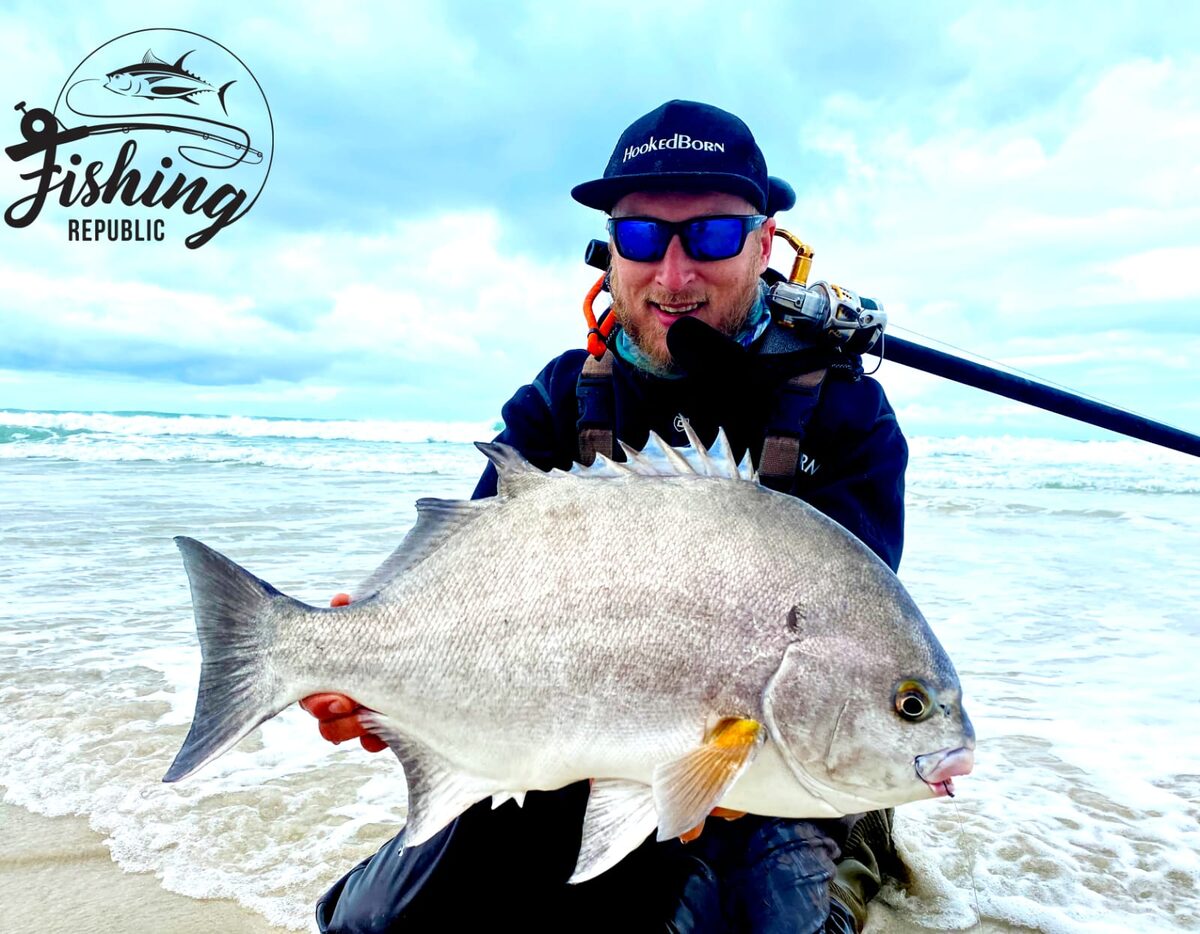
South Africa’s coastline supports one of the richest marine ecosystems in the world.
For generations it has fed coastal communities, supported livelihoods and created a deeply rooted fishing culture. Yet many of the fish species that once thrived along the Western Cape coast are now severely depleted.
In places like False Bay, where anglers once caught massive reef fish just metres from shore, the change has been dramatic. Overfishing, pollution, destructive fishing practices and habitat pressure have all contributed to the decline. However, science, conservation and responsible fishing practices offer hope for recovery.
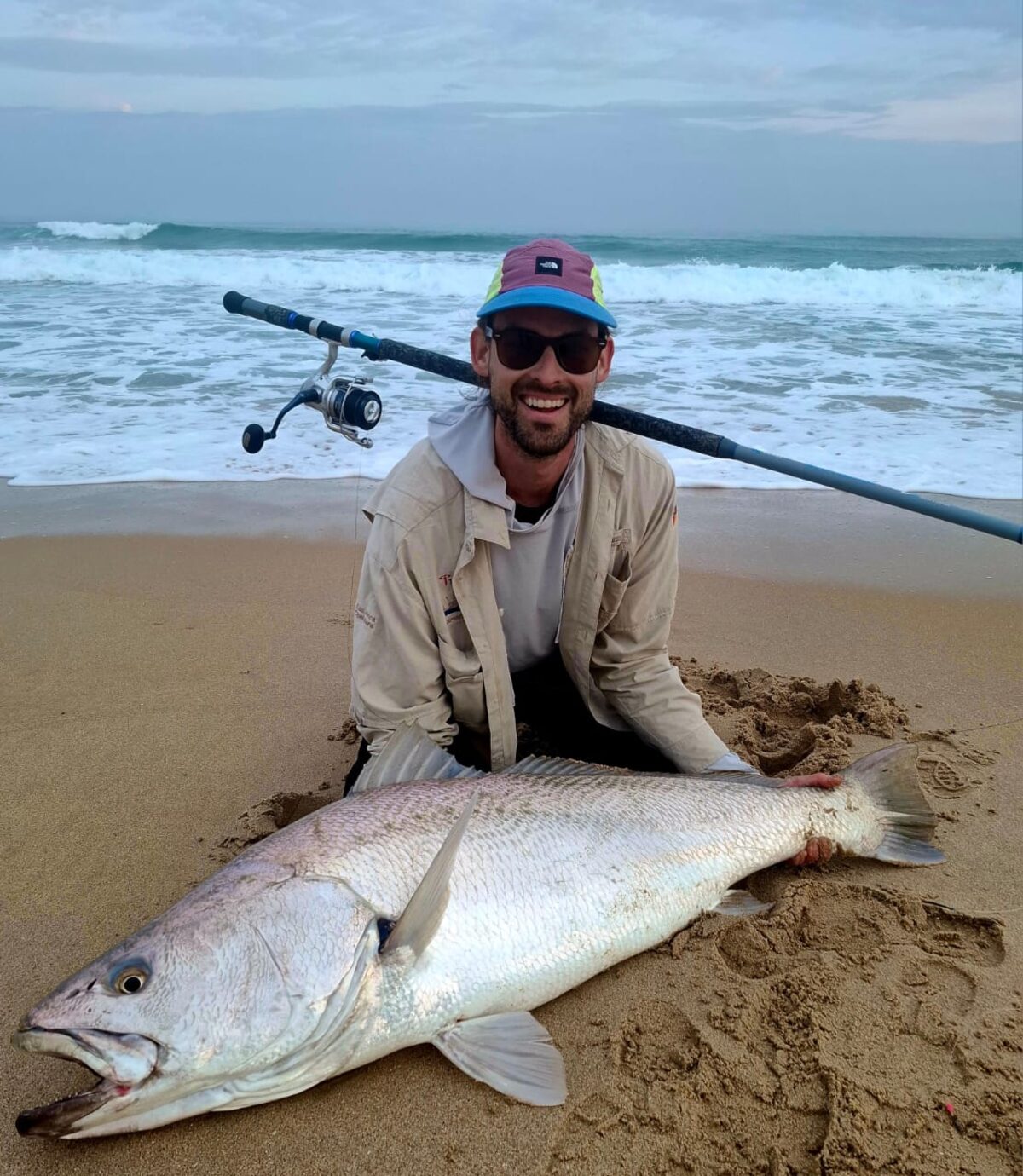
Historical accounts from the early and mid-1900s describe False Bay as one of the most productive fishing areas along the South African coast. The rocky reefs along the Cape Peninsula and the mountainous coastline were famous for large reef species.
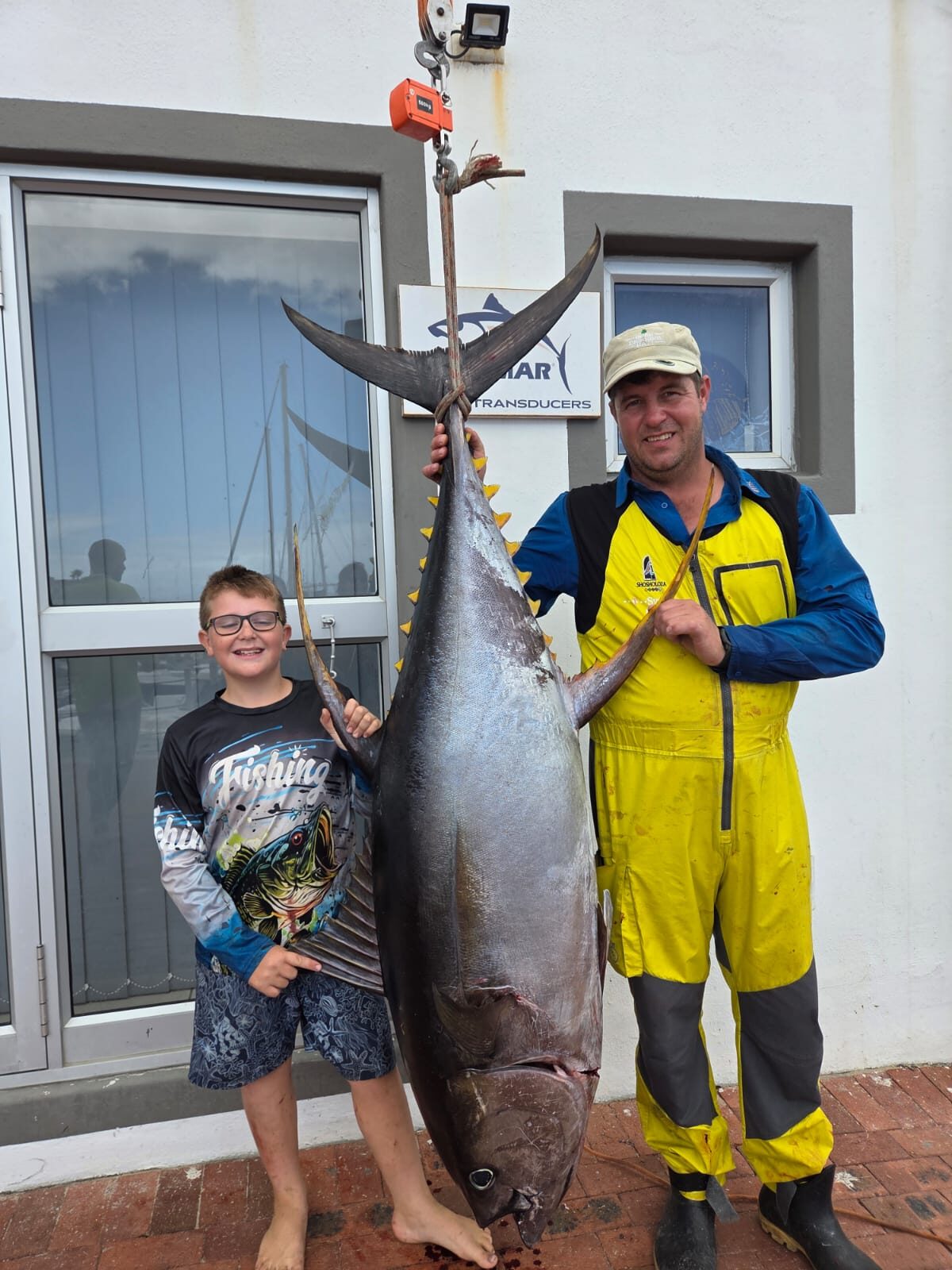
Fishermen regularly landed black musselcracker (poenskop) exceeding 20 kg to 25 kg, and red steenbras weighing over 40 kg were caught inshore and offshore. In some cases anglers reported catching multiple large reef fish in a single day.
Today these catches are extremely rare or non-existent. When was the last time a large poenskop, white musselcracker or white steenbras was caught along the False Bay coast?
Scientific research suggests that many South African linefish populations have declined dramatically since the early 20th century. In some cases populations of heavily targeted reef fish are estimated to be less than 10% of their original abundance.
The largest breeding fish were often the first removed, leaving populations with fewer mature adults capable of producing the next generation.
This pattern has been particularly severe for slow-growing species that take many years to mature.
Experienced anglers need no scientific data; if you are a true fisherman who values and respects the ocean, it is clear that in our short lifetime, fishing has only gone one way: downhill. We do not catch the same quantity or size fish that our fathers and grandfathers caught. Not even close.
Human greed never ceases to amaze. Once it’s all gone, that’s when we want to start worrying; when it’s far too late. Several iconic South African fish species have suffered major declines due to decades of heavy fishing pressure. These include:
Black musselcracker (poenskop) which grow extremely slowly and rely on rocky reef habitats. Large individuals are especially important for breeding. Removing these fish can dramatically reduce future populations.
Red steenbras are among the most vulnerable species in South African waters. They can live more than 40 years and grow to over 70 kg, meaning populations take decades to recover after heavy fishing.
White steenbras have been heavily affected by commercial netting and recreational fishing pressures along the Western Cape coastline.
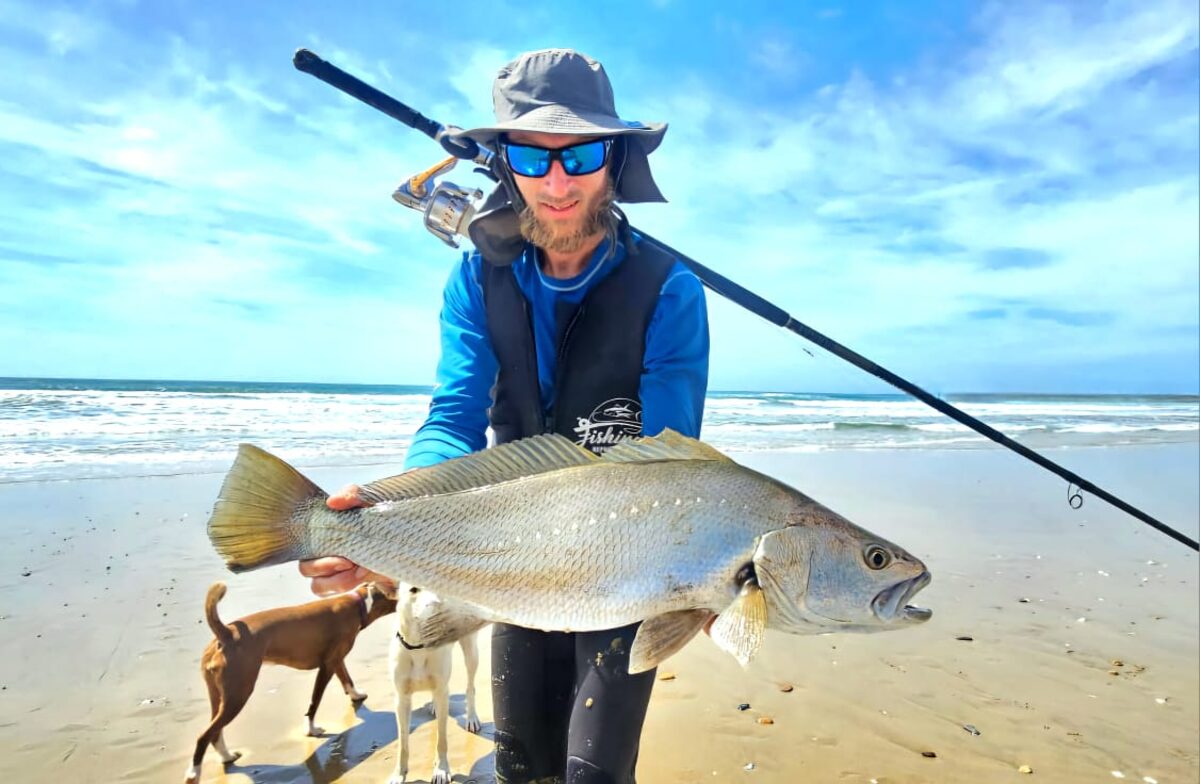
Kob (kabeljou) are one of the most popular edible fish species in South Africa and have experienced strong fishing pressure in both commercial and recreational sectors. Unfortunately, dusky and silver kob are now in serious trouble.
Galjoen (South Africa’s national fish) depend heavily on kelp forests and rocky reefs. Their seasonal closures help protect them during breeding periods.
Roman are slow-growing reef fish that are vulnerable to overfishing because they stay close to reefs where they are easily targeted.
White musselcracker was once abundant in Strand and surrounds, but is now all but gone – only a small handful of juvenile fish are caught each year.
Fishing pressure is not the only threat facing fish populations.
False Bay has also been affected by pollution from urban run-off, sewage outflows, plastic waste and coastal development. These pollutants damage marine habitats and disrupt food chains that fish rely on.
Healthy oceans depend not only on responsible fishing but also on clean water and functioning ecosystems. The building of the promenade and the visible pollution running directly into the Strand reefs are prime examples of this impact.
The stories of massive poenskop and red steenbras caught along the False Bay coastline are part of SA’s fishing heritage. But if current trends continue, those stories may become little more than memories, if they haven’t already.
Sustainable fishing practices, stronger conservation measures and continued scientific research offer a path forward. By protecting our marine ecosystems today we can ensure that future generations will experience the incredible richness of SA’s oceans.
The future of our fisheries is not just a scientific issue; it is a national responsibility that every angler, whether commercial or recreational, should take upon themselves before our children have nothing left.
This may sound far off, but believe me: after fishing for more than 35 years, I can tell you from personal experience that our fish stocks are in trouble. Serious trouble!
If you want to get involved in fish tagging, sampling or citizen science projects, visit @fishingrepublic or come and have a chat with us.
Fishing Republic is located at 73 Beach Road, Strand, Shop 6, Helderberg Centre. For more information, call 072 552 4400 or email kegan@fishingrepublic.co.za.