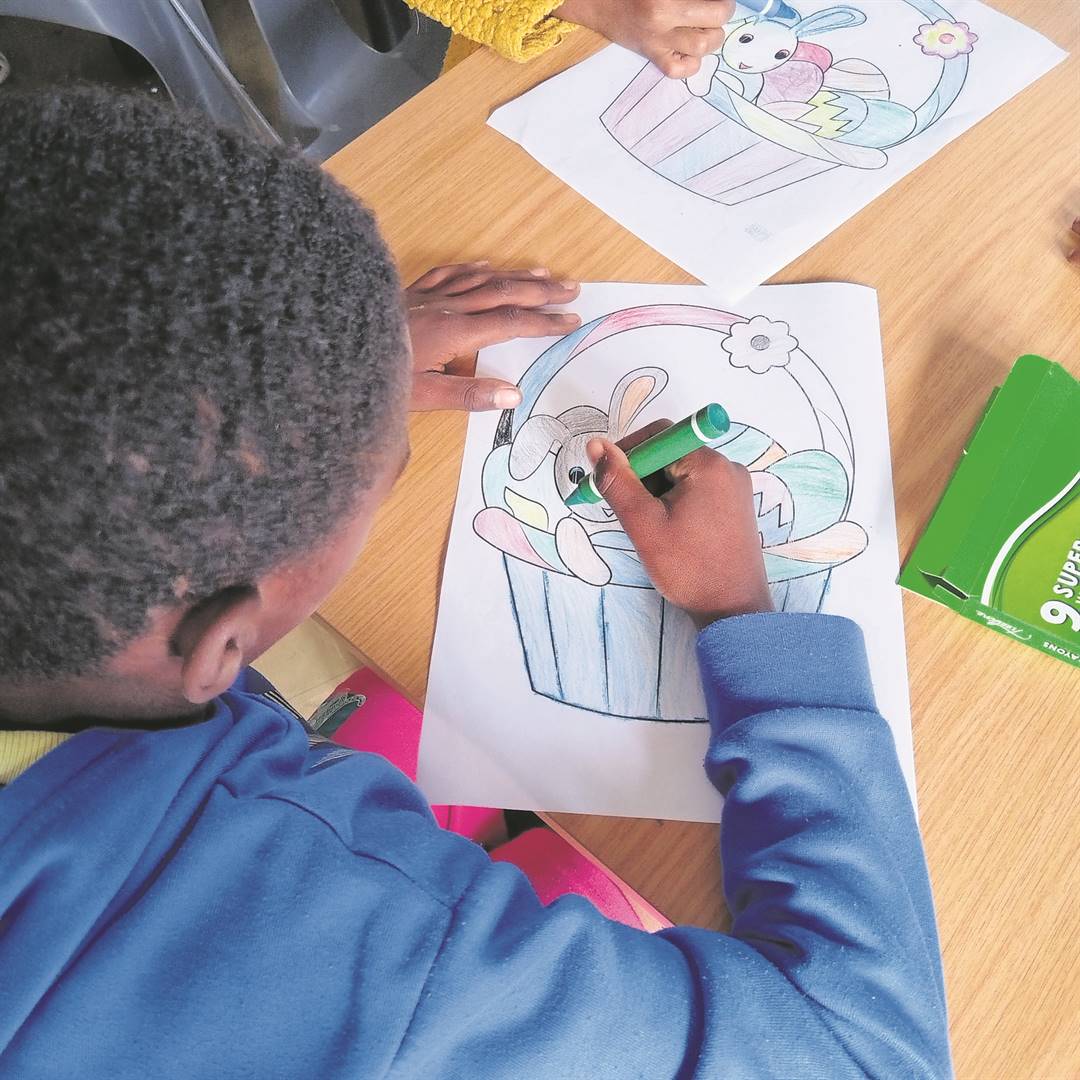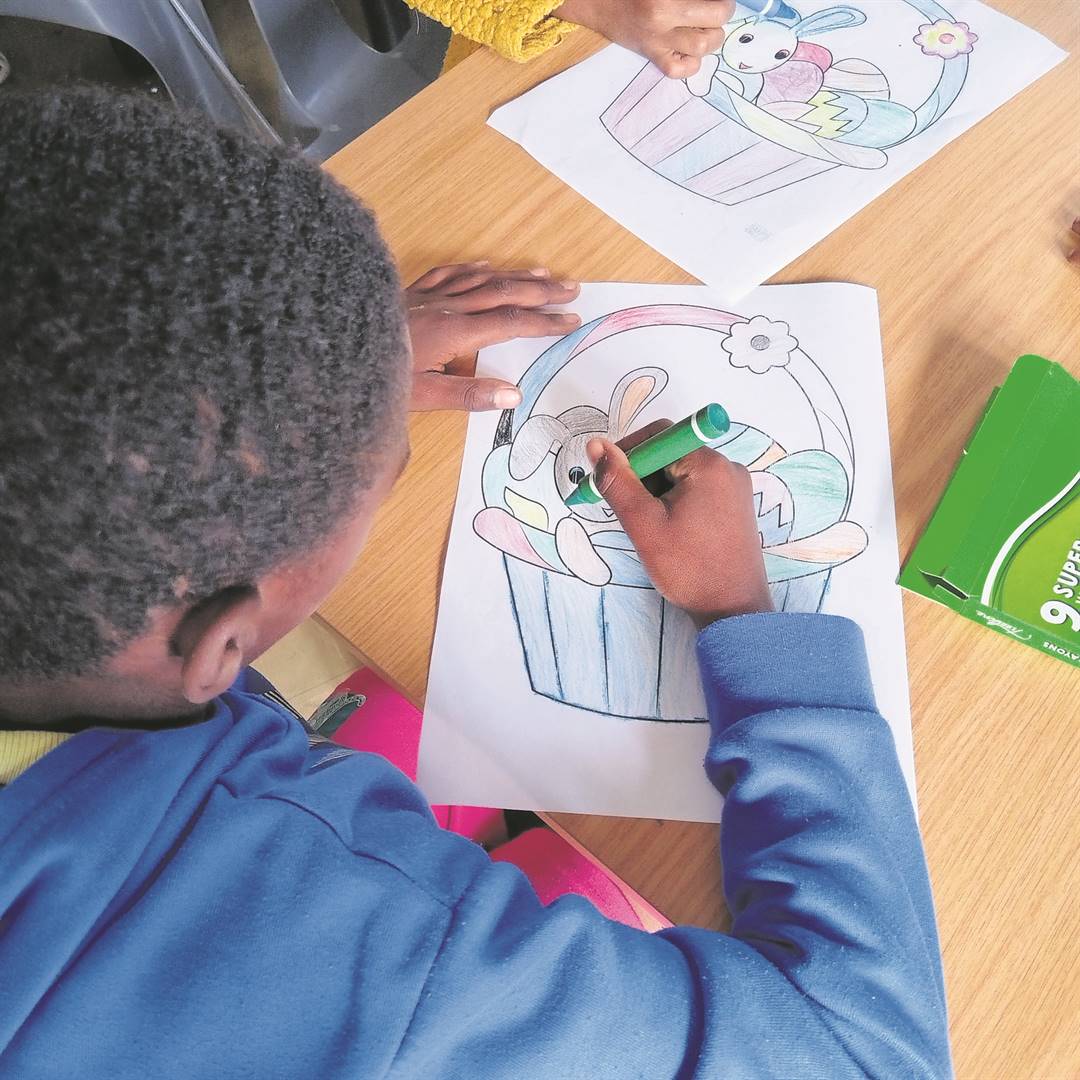


The Easter holidays are here, and parents are gearing up to keep their children safe while they enjoy a hard-earned break from school.
“As parents we know that safety is your top priority,” Charnel Hattingh, Group Head of Communications and Marketing at Fidelity ADT, points out. “That’s why we are here to offer some valuable tips to ensure your children have secure and enjoyable first-term school holidays.
“Firstly, communication is key. Open communication with your children is one of the most important things you can do to keep them safe. Talk to them about security concerns and teach them to identify potentially dangerous situations. Encourage them to speak up if they feel uncomfortable or scared in any situation.
“You should be prepared to listen and act on their concerns. We’re here for you these Easter holidays, and we encourage you to reach out via our call centre or your panic buttons if you or your kids encounter anyone who has acted in a way that makes them feel unsafe.”
Supervision is also a key aspect of children’s safety, Hattingh pointed out.
Always ensure children are supervised by a responsible adult. Plan activities that can be enjoyed together as a family or ensure children are supervised by a trusted family member, friend or caregiver. This is vital when visiting crowded public places, such as parks or shopping centres, where your kids can easily become separated from you in the holiday crowds.
Online safety is more important than ever in 2023.
“With more time on their hands children may spend more time online during the break,” Hattingh said, “and parents should ensure they monitor which websites and social-media platforms their children are using.
“Teach your children about the potential dangers of sharing personal information and interacting with strangers online. A good rule of thumb is that if your kids are on these platforms they should only be using them to chat with people they know in real life, like friends and family, and never with strangers.”
She further also urges parents to consider the importance of having up-to-date identification information for their children. If a child does become separated from their parents, having a recent photo and detailed information about the child can help authorities locate and reunite the child with their family.
Finally, parents should ensure their homes are secure and that their children are aware of basic safety measures. This includes locking doors and windows, keeping valuable items out of sight, and ensuring children are aware of emergency procedures, such as how to contact emergency services and what to do in the event of a fire or other emergency.
“By taking these simple steps parents can ensure that their children enjoy a safe and secure Easter vacation,” says Hattingh. Fidelity Services Group is committed to helping families across Southern Africa stay safe and offers a range of security solutions to suit the needs of any family.
• Teach your teenagers to operate your alarm system and press the panic button to familiarise themselves with the process in case of an emergency (please call to warn us of the false alarm beforehand).
• Ensure all doors are locked, and easily accessible windows are closed if your children are going to be home alone. Instruct them not to allow anyone to enter the property without permission from you, no matter what they may say or who they claim to be.
• Child-proof your home, especially for toddlers and younger kids who may get bored and go digging through the cupboards.
• Ensure swimming pools are sealed off when you’re not by the pool, especially if you have toddlers, with a fence and safety net. Caregivers or family members should always keep a close eye on any swimming children.
• Save important emergency contact numbers on your kids’ phones and keep a printed list of these numbers close, such as on your fridge or next to the landline, including those of your local police station and numbers of neighbours who you trust.
• Teach your children to memorise their details, including their name and surname, home address, and contact details for either parent. Children as young as 4 and 5 years old are taught to memorise these contact details at creche and day-care schools. Make sure yours know too.
• With smaller kids who are prone to wondering, you can even write your name and phone number with a permanent marker on the child’s arm when you’re out and about with the kids at places with big throngs of holiday crowds and a lot of traffic, or where your children could get easily get lost or lose sight of you.