

An escalating feud over overflowing roadside bins along scenic Clarence Drive (R44) has reached a tipping point, with local conservationists accusing the provincial Department of Infrastructure of failing to uphold public commitments to protect motorists and native wildlife.
The coastal pass between Gordon’s Bay and Rooiels cuts through the Kogelberg Biosphere, a sensitive ecological corridor now marred by accessible waste (“Overflowing bins are endangering R44’s baboons, claims Rooiels conservancy,” DistrictMail & Helderberg Gazette, 18 February).
A June audit by the Rooiels Conservancy identified 23 bins with missing lids or broken baboon-proof catches. The persistent food reward regularly draws baboon troops to the road, creating traffic hazards and habituating the animals to human refuse.
The conservancy lodged a formal complaint with Tertius Simmers, provincial minister of Infrastructure, on Monday 10 August, pointing to a pledge made during a CapeTalk broadcast in February.
Simmers assured the public that once a new road contractor began in April, existing bins would be properly maintained and emptied, alongside a broader review of the waste strategy. But four months into the contract, locals allege conditions have not improved.
Responding to the complaint, Department of Operational Support director Jandré Bakker rejected calls for more frequent refuse collections, citing fiscal and operational limits.
“We are a road authority and the main aim is to maintain our road infrastructure, of which litter picking and cleaning is only one aspect,” Bakker stated, noting that maintenance must cover a metropolitan network exceeding 600 km.
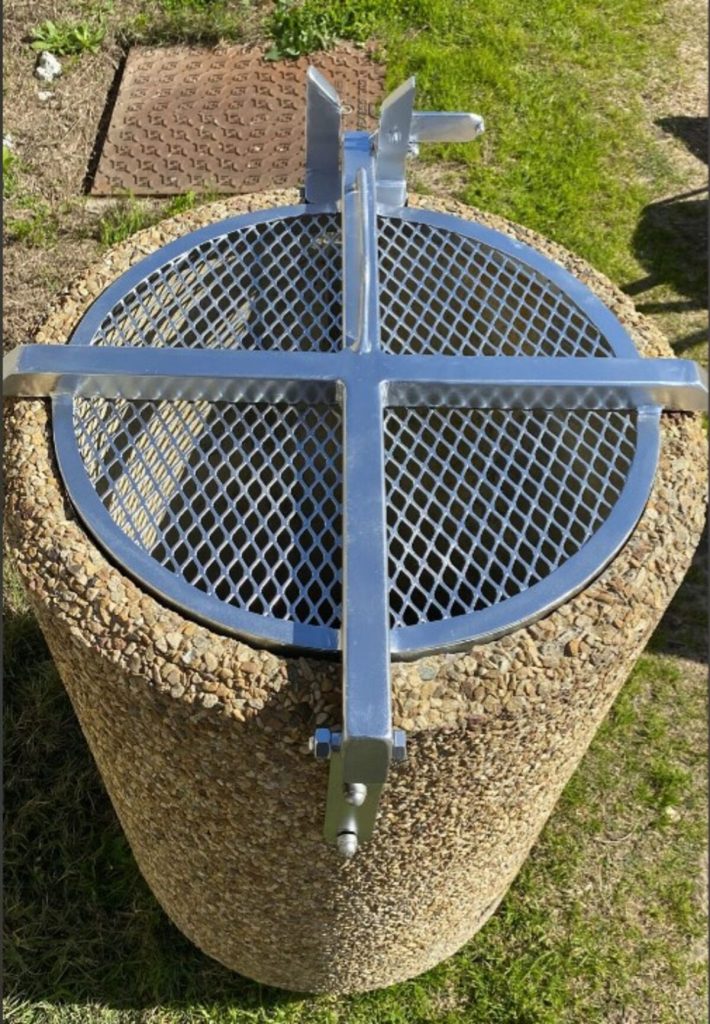
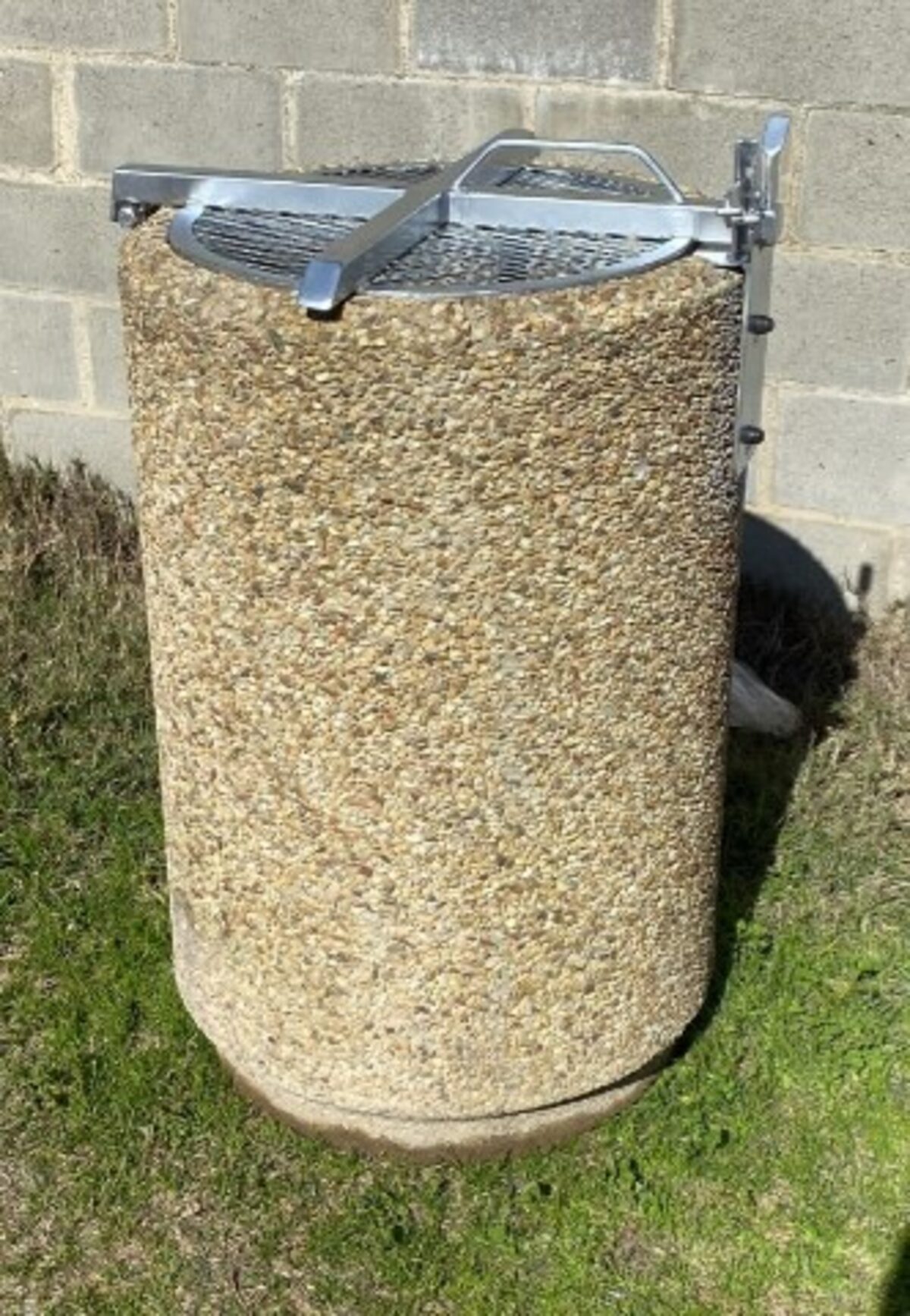
Bakker attributed much of the bin damage to human vandalism rather than animal wear. He confirmed the department has custom-designed new anti-baboon lids, with an initial batch of 10 rolling out before the end of August.
Provincial officials also agreed to trial the conservancy’s preferred “no-bin” proposal along select stretches of the route.
The conservancy remains cautious, noting the new lid designs appear functionally identical to mechanisms baboons have already cracked. Activists are demanding a demonstration of the design’s effectiveness before full installation.
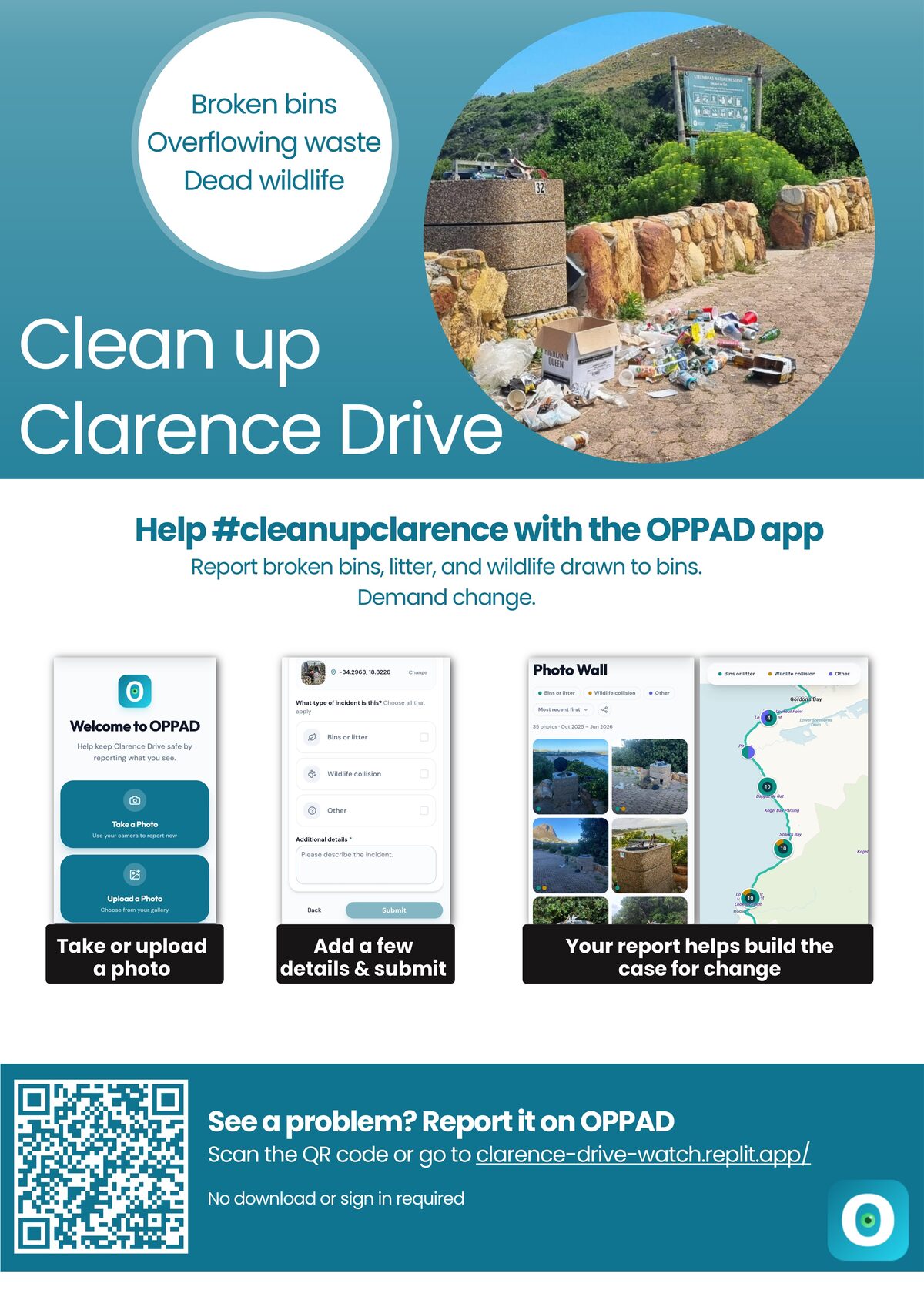
To maintain momentum ahead of the municipal elections on Wednesday 4 November, the conservancy launched the OPPAD mobile app, encouraging motorists to photograph and map broken bins and foraging wildlife along Clarence Drive to build public pressure.


You must be logged in to post a comment.