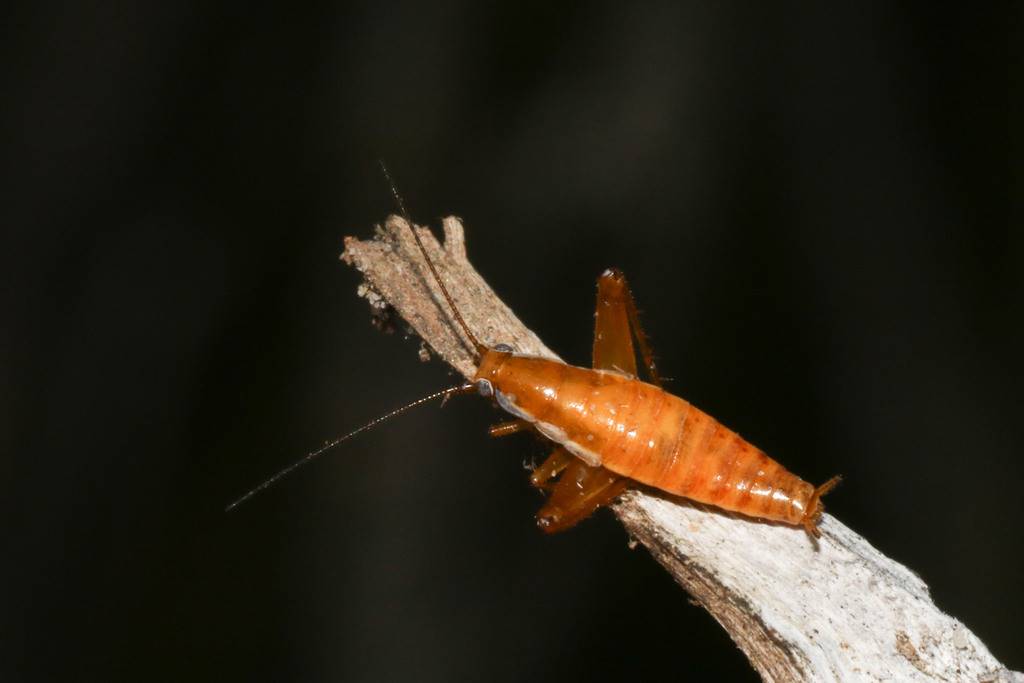

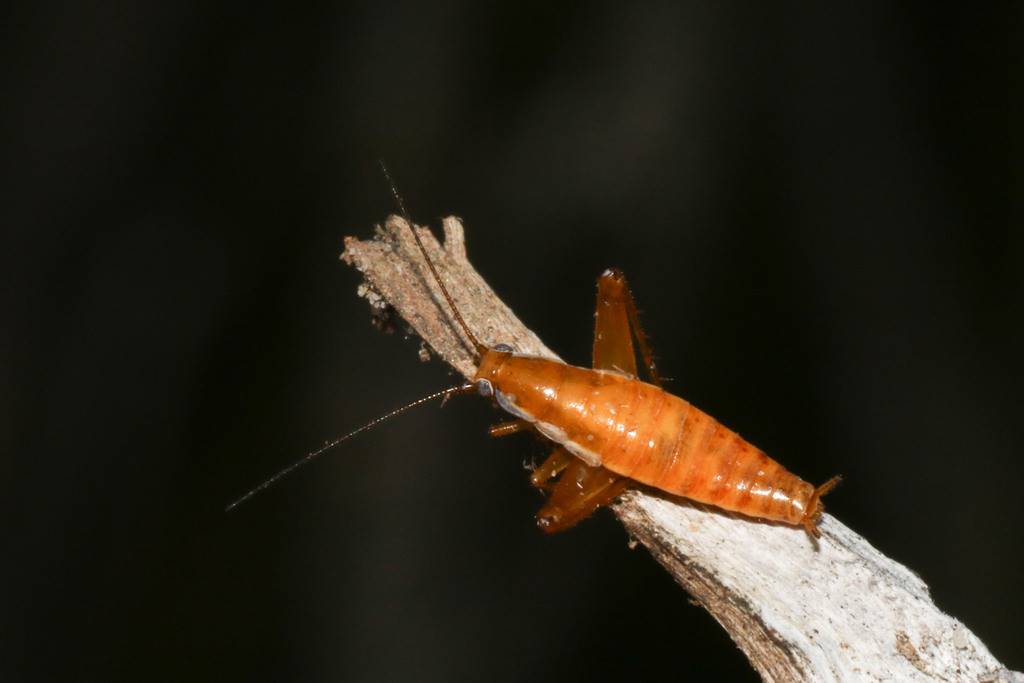
The City of Cape Town has discovered a small jumping cockroach – called a Leaproach – at the Steenbras Nature Reserve, the first of its kind to be found in one of the City nature reserves. This is a befitting surprise as they celebrated World Wildlife Day and a reminder that not all wildlife is big and furry, and that the less charismatic also deserves recognition.
“We celebrated World Wildlife Day on Friday 3 March, and this year we are welcoming an unexpected member to the City’s wildlife population,” said the City’s Deputy Mayor and Mayoral Committee Member for Spatial Planning and Environment, Alderman Eddie Andrews. “The Leaproach is a family member of the cockroach, but has developed the ability to jump. Featuring on the 2011 list of the World’s Top 10 New Species, we are immensely proud to confirm we have discovered the Leaproach is residing in the Steenbras Nature Reserve. Although known to be found in the fynbos biome of Table Mountain National Park, we have not sighted them in our nature reserves before. I’m often in awe at nature’s ability to surprise us with incredible species still to be discovered. I encourage our residents to visit our nature reserves while summer is still with us, to take a walk and appreciate the immense biodiversity Cape Town offers, and you may just spot the Leaproach.”
The first Leaproach was discovered in 2006 at the Silvermine Nature Reserve by Prof Mike Picker and Dr Jonathan Colville, both from the University of Cape Town at the time. These creatures are between 6 mm and 20 mm long, and jump among plants, much like grasshoppers do. While only one species has been formally described, Colville confirmed that, together with Picker, they found about a dozen undescribed species across the fynbos biome. He also noted the individuals from Steenbras look similar to specimens from the Ceres area. Their aim is to describe these new species formally.
The City’s Head of Conservation Services discovered several Leaproaches at the Steenbras Nature Reserve on Saturday 25 February 2023, some alongside a dry stream and others in dense vegetated wetlands.
“The discovery of the Leaproaches at Steenbras is interesting as they appear unique to the Fynbos biome,” Andrews said. “This again highlights the amazing insect diversity within the fynbos and the habitat they provide to a plethora of wildlife. For those who wonder, I can confirm Leaproaches and all the other species of cockroaches in the fynbos are completely benign and harmless. They may look odd, or even grisly to some of us, but they have the very important task of breaking down plant material.
“Leaproaches are well adapted to their environment, they have evolved wide protruding eyes to improve their vision, a second joint at the base of the antennae to help stabilise it during jumps and highly modified limbs to facilitate the jumping motion.”
This year World Wildlife Day is dedicated to those who are involved in conserving wildlife. One million species are currently under threat, with five groups of species that some may not have expected being particularly threatened:
• A 2015 IUCN report revealed that 31% of the world’s 1 500 cacti species are under threat
• Seaweeds are declining due to mechanical dredging, and rising sea temperatures
• Giraffes – there are approximately only 68 000 giraffes left in the wild
• According to the IUCN Red List, 116 of the world’s 375 parrot species are listed as vulnerable, endangered, or worse
• An estimated 31% of the world’s 430 oak species are threatened with extinction
“On this note I want to thank the dedicated staff at the City’s nature reserves for their contribution in preserving and protecting our natural areas. We value your enthusiasm, whether you are out in the field or behind desks, planning ahead to make sure all goes well in our protected areas. Thank you for the long hours you put in to ensure that Capetonians are living in one of the most biodiverse cities in the world,” said Alderman Andrews.