


As heavy rains become more frequent, the City of Cape Town’s Water and Sanitation Directorate has issued an urgent plea to residents to check all rainwater gutters.
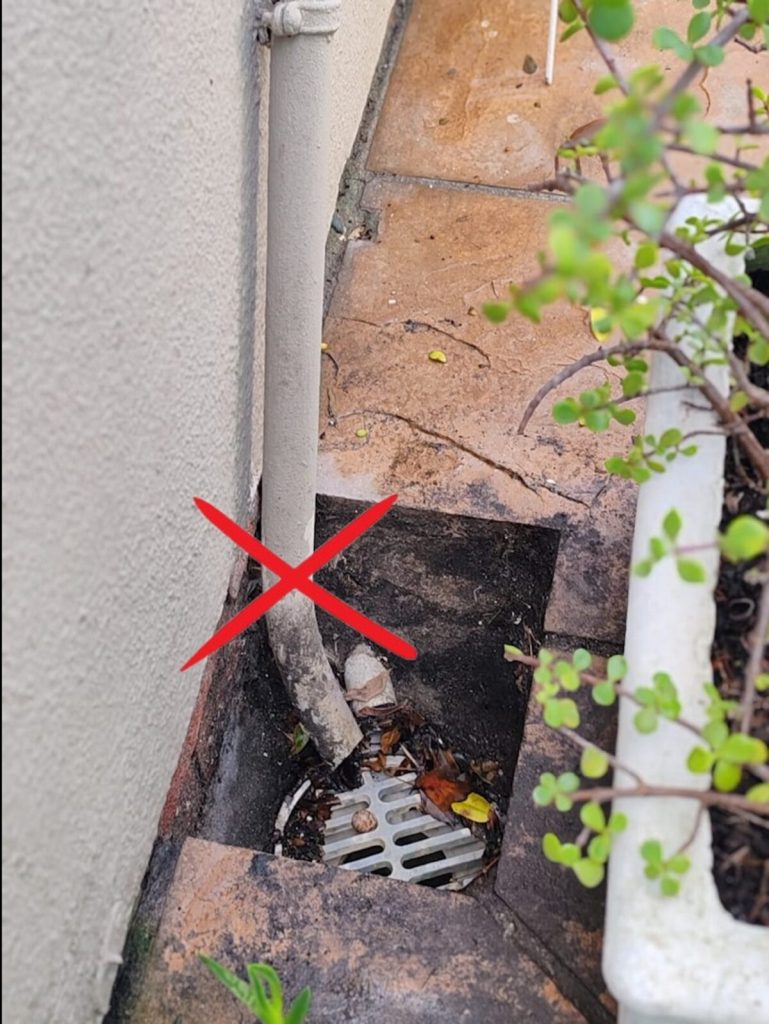
The City called on homeowners to ensure their gutters are connected to stormwater drains, not the sewer system, to help combat the pervasive issue of sewer overflows plaguing neighbourhoods.
Illegal gutter connections, known as cross-connections, can overwhelm the sewer network during downpours, leading to raw sewage spilling into streets, waterways, and even homes.
This not only strains vital infrastructure but also poses significant health risks and environmental damage.
“Sewer systems are designed to carry wastewater from homes, not rainwater from roofs,” explained Zahid Badroodien, Mayoral Committee member for Water and Sanitation.
“When these systems are overloaded with rainwater, they cannot cope and overflows occur.”
Badroodien emphasised the collective responsibility in addressing this issue. “Every household can make a difference. We urge residents to check their gutter connections and redirect stormwater to the correct drains. This simple action helps protect our communities, infrastructure and the environment,” he said.
“Preventing overflows is a shared responsibility. By making sure stormwater does not enter the sewer system, residents are actively helping the City safeguard public health and protect our environment.”
The City offers several safe and sustainable options for mana-
ging excess rainwater on private property:
• Redirect to your garden: Allow rainwater to soak into unpaved ground or garden areas, which naturally helps to recharge groundwater.
• Channel to the street: Use a proper channel or pipe to direct clean rainwater into the road, where it will flow into the municipal stormwater system. It is crucial that only clean rainwater enters these drains; greywater or wastewater is strictly prohibited. • Collect and reuse: Install tanks to store rainwater for later use in your garden, a practice that conserves municipal water and reduces demand.
If you discover that your property’s stormwater gutters are illegally connected to the sewer system, immediate action is required.
“It is important to take action,” stated Badroodien. “Contact a registered plumber, qualified builder or reliable handyman to help correct the connection and ensure compliance with municipal bylaws.”
The City’s wastewater and industrial effluent bylaw expli-
citly prohibits the discharge of rainwater into the sewer system. Such illegal cross-connections are a common cause of sewer overflows, often occurring on private properties where rainwater from roofs, gutters, or paved surfaces is incorrectly directed into sewer drains.
Residents are encouraged to report any water and sanitation-related service requests, including sewer overflows or blockages, through the following channels: online at
www.capetown.gov.za/servicerequests, email water@capetown.gov.za or send an SMS to 31373.


You must be logged in to post a comment.