

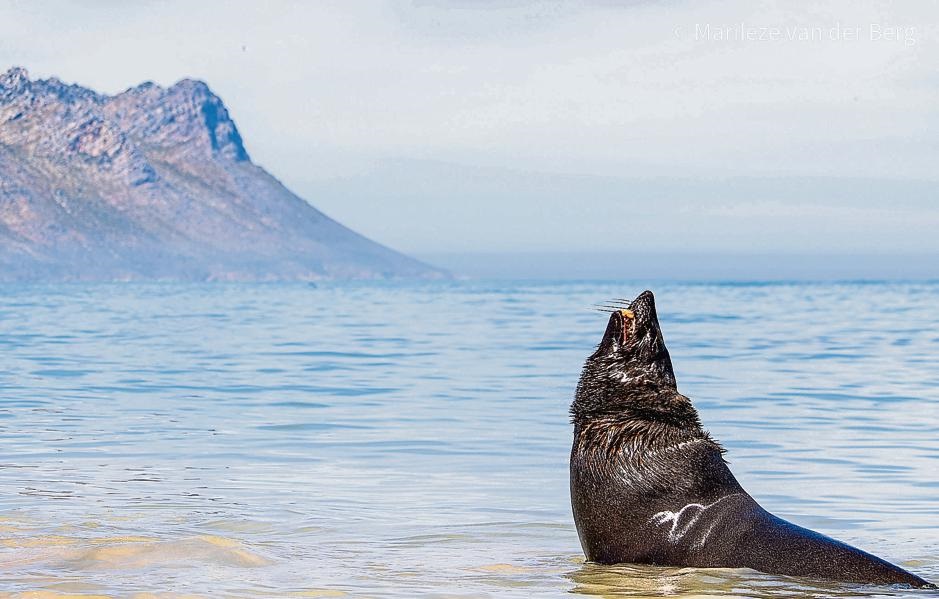
With more people making the trek to beaches and harbours as the weather warms up, the City of Cape Town reminded the public to keep a safe and respectful distance from all marine and coastal wildlife at all times.
“We are blessed in Cape Town to have a coastline that is still rich in biodiversity and home to many wild marine and coastal animals including seals, otters, penguins and many more. As these animals are common on our beaches and shoreline, we at times forget that they are in fact wild animals,” said Eddie Andrews, deputy mayor and Mayoral Committee member for Spatial Planning and Environment.
“In the interest of the safety of beach users, as well as the animals, I want to kindly request residents and visitors to keep a safe and respectful distance from these animals.”
The warning allegedly followed a humans’ deadly interaction with a seal, who died two weeks after the incident, as well as an unconfirmed attack on a teenager.
Dr Stephen Kirkman, marine scientist and expert on Cape fur seals, said it’s not uncommon for the species to be seen on beaches and that many people think they should get the animal back in the water. “But seals are not whales or dolphins; it’s normal for them to haul out on beaches to rest. Don’t try to cool them down by splashing water over them, as you may for a stranded whale or dolphins. The water does not penetrate their fur,” Kirkman said.
“Leave them be, give them their space, don’t disturb them and keep dogs away. Seals are powerful predators with sharp teeth and can be dangerous if you approach them. Leave them alone as you should leave any wild animal alone, and they won’t harm you.”|
The City reminded beachgoers that the Coastal Bylaw makes provision for it to act against those who intentionally or negligently interfere with any marine and coastal wildlife.
- Do not approach or try and get close to any marine and coastal wildlife. Their natural response will be to defend themselves and this may result in a bite.
- Always keep a respectful distance between yourself and any wildlife to reduce stress on the wildlife. Move away if approached by wildlife.
- Never try and touch, or pose with, any marine and coastal wildlife. This places both you and the wildlife at risk of potential harm.
- Keep dogs under control by keeping them on a leash and well away from all wildlife at all times. Remove pets immediately from any place where coastal wildlife is present.
- Never try and feed any marine and coastal wildlife.
- Do not support the illegal feeding of wildlife for show, such as the seals at the fishing harbours. This is an illegal activity and must not be supported financially, or otherwise.
- Members of the public are urged not to act on their own and without authority.
To report an animal injured or in distress, phone 021 480 7700 from a cellphone or 107 from a landline.