

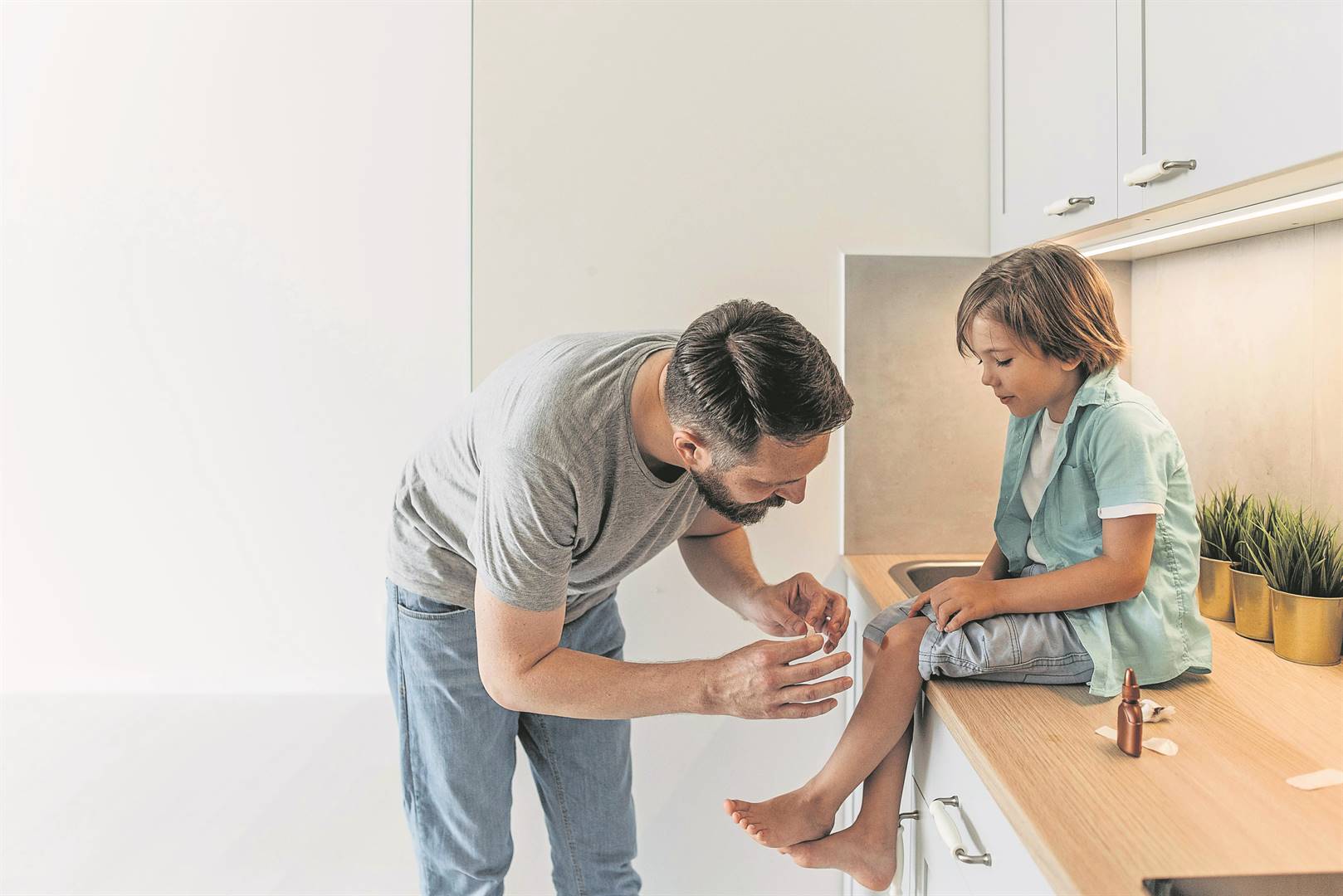
Even a small cut, sore or skin lesion can lead to serious, even potentially life-threatening, infection if it is not appropriately cleaned and treated.
Pharmacist Carla Ebersohn of Medipost Pharmacy shares the basics of treating different types of wounds at home.
“The skin is our body’s protective barrier, and when skin is injured or broken it can allow dirt and bacteria to enter our bodies, even though these germs and tiny particles may not always be visible to the naked eye,” she warned.
“This can cause a wound to get infected, resulting in further skin damage and a delayed healing process. If not treated immediately, the infection can spread to deeper tissue and can cause more serious health conditions. This is why it is very important always to ensure that wounds are properly cleaned to allow optimal healing.”
Pharmacist’s advice for treating minor open wounds
. First, wash your hands well with soap and clean water.
. Remove any jewellery or clothing from around the wound.
. Apply pressure until the bleeding stops.
. Clean the wound with antiseptic, or if this is not available, with a saline solution made from half a teaspoon of salt per cup of cooled boiled water.
. Examine the wound for dirt or debris, remove it with clean forceps or tweezers, and clean again if needed.
. Pat the wound dry with a clean cloth or sterile gauze.
. Dress the wound by applying antibacterial ointment, covering it with gauze or an appropriately sized bandage, and securing it with adhesive tape.
. Most minor wounds should be cleaned and dressed twice daily, or as directed by your doctor, or if the dressing becomes wet or soiled.
“Always see your doctor if a wound is deep and bleeding heavily, and check that your family’s tetanus vaccinations are up to date. If you see that the wound is not responding to home care within a few days or there are signs of infection, it would be best to consult your doctor.”
Types of wounds
A wound is classified as either acute or chronic depending on how long it takes to heal. Acute wounds heal without complications within an expected time-frame, usually within a month to six weeks. Chronic wounds are those that take longer to heal, more often with some complications.
Types of wounds include those following an injury to the skin or underlying tissue or organs caused by surgery, a blow, a cut, a chemical burn, heat or cold, friction or shear force, pressure, or a health condition.
“For burn wounds specifically, hydrogen peroxide or alcohol should not be used as this could slow the healing process,” Ebersohn advises. “Instead, wash gently with soap and water, gently pat the burnt area of the skin dry, and then apply a thin layer of petroleum jelly or antibiotic ointment.”
Bedsores, pressure sores or decubitus ulcers are chronic wounds caused by pressure or shearing force on the skin. They often affect people with limited mobility and those confined to bed for medical reasons or while recuperating from an operation.
Diabetic ulcers: These generally occur on the feet and result from changes to nerves and circulation caused by diabetes and are most common among older people with diabetes.
“Poor circulation and limited blood flow can affect the body’s ability to heal wounds, which may develop into diabetic ulcers,” said Ebersohn. “Many times there is little to no feeling in the person’s feet due to diabetes-related nerve damage. It is essential to check for any signs of injury or infection daily because if a diabetic ulcer goes untreated it might, unfortunately, sometimes result in the need for amputation.”
Medipost Pharmacy dispenses prescription and other non-prescription items, including everything from chronic medication to wound care products and medicine cabinet essentials, delivered via courier to any address in the country.
“Prevention is always better than treating a wound. Take precautions to avoid injury and keep healthy, including being as active as possible, eating a balanced, wholesome diet, losing excess weight and managing existing health conditions carefully in regular consultation with your treating healthcare professional.”


