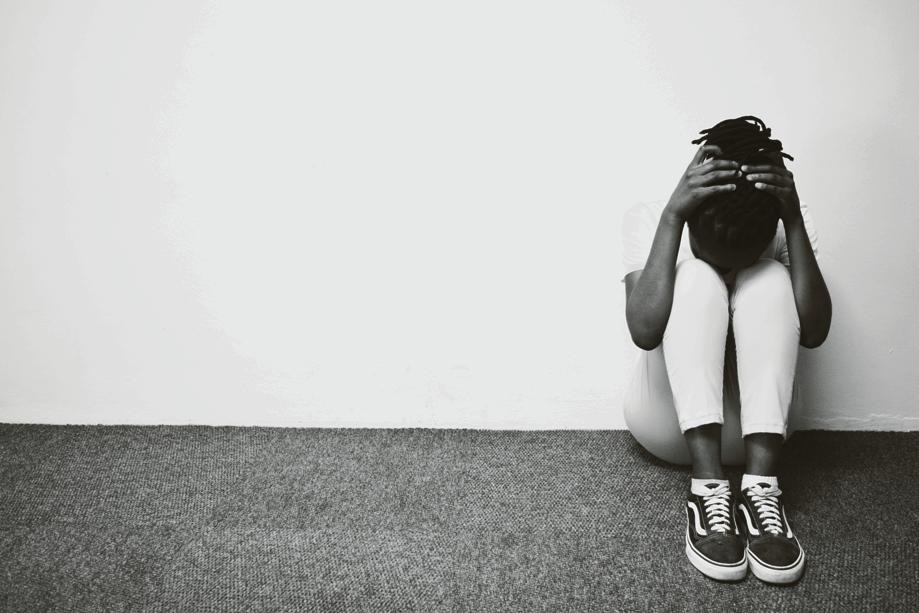


Mental-health issues are often hidden from society.
As with HIV, there is unfortunately a stigma associated with depression and anxiety. This stigma occurs in all ethnic groups and is one of the reasons so few people access medical care for these common conditions.
Globally, 4% of men and 6% of women develop depression at some stage during life. However, in South Africa, this figure rises to 16%. A systematic review in 2021 estimated that about 27% of adolescents in sub-Saharan Africa will live with depression, 30% with anxiety and 41% with emotional or behavioural problems at any given time.
But a more concerning figure is that in low- to middle-income countries (including SA), where up to 75% of patients do not have adequate management of common mental-health conditions. In our country a 2019 study reported that up to 92% of all mental-health conditions was untreated. This figure includes depression, anxiety, substance abuse, seizure disorders, dementia and psychosis.
What are the underlying causes of this rising figure in mental-health disorders? Major contributing factors are poverty, exposure to violence, adverse childhood experiences, widespread substance abuse and breakdown in family- and social-support structures. Humans were designed to be born into a family and nurtured by a loving mother and father. We obtain our sense of self-worth and self-confidence from a supportive family.
Our “love tanks” need filling as children, giving us what we need to live in a hostile world. But what happens if we are exposed to violence, abuse, addictions, dysfunctional homes or societies, neglect and a lawless society? These are all recipes for mental ill-health.
As much as society needs to change its values, that will not happen soon. But we can make a difference in our homes and communities. We can take a personal interest in our children and neighbours. We can be agents for change by showing love, kindness, and compassion. We can advocate for safe environments for our children to play and stay active. We can reach out to our neighbours with support and friendship to overcome loneliness and isolation.
There is much we can do to protect personal mental health. If we are battling with depression or anxiety, it is important to visit our healthcare practitioner and obtain professional care.
Australian psychiatrist Prof Roger Walsh published an article in the American Psychologist entitled “Lifestyle and Mental Health”. He stated that “therapeutic lifestyle changes (TLCs) are sometimes as effective as either psychotherapy or pharmacotherapy and can offer significant therapeutic advantages. These TLCs include exercise, nutrition and diet, time in nature, relationships, recreation, relaxation and stress management, religious or spiritual involvement, and service to others.”
Lifestyle behaviour change is an important part of psychiatric continuing education and is commonly discussed at psychiatric congresses. As a patient, you can insist that your doctor discuss these issues with you.
This health column is written by Dr Dave Glass, a retired obstetrician/gynaecologist living in Somerset West. He is also chairperson of the South African Lifestyle Medicine Association (Salma).
With an MBChB, FCOG(SA) and DipIBLM, Glass has a passion for preventing and addressing the root causes of chronic diseases such as diabetes, heart disease, auto-immune diseases, obesity, dementia and cancer.