

In last month’s article we looked at the devastating effect atherosclerosis has on global wellness (or its lack) and what some of the common causes are of this pandemic. Although genetics plays a small role, the vast majority of patients suffering from the disease have been affected by our lifestyle. The SAD (Standard American Diet) has now been exported globally. Walk down the aisles of any supermarket and we will find row after row of processed, or highly processed foods. These have been denuded of natural fibre and have been stripped of natural vitamins, minerals, antioxidants and a host of health-giving phytochemicals. Although some vitamins may have been replaced, we have lost far more than have been added. On top of impoverishing our foods of their natural goodness, often a multitude of substances have been added to enhance flavour, improve appearance, and prolong shelf-life. Of course, not everyone can afford refrigeration of fresh produce, so some way of safely preserving and storage of foods is necessary. But this must not be done to the detriment of our health, by adding excess saturated fat, salt and sugar. Highly processed foods are energy dense and thus are an important contributor to obesity.
Lack of physical activity is another compounding factor. It is strange how we drive around and around the parking area at the Mall to find a parking close to the entrance, so we don’t have to walk so far, when walking is such an important part of staying healthy. We spend far too much time sitting at the desk, on the couch or in the car. We need to keep moving to keep our atherosclerosis (and diabetes, hypertension and dementia) at bay. Thankfully there are still hundreds of people out on the roads or in the gym every day getting their exercise fix, but we could all still do more to protect our arteries.
The good news is that it has been proven, with intensive lifestyle behaviour change, that narrowed arteries can open up. Angina often subsides within weeks, and the risk of further cardiac events can become much less. Dr Dean Ornish was the first to publish the results of his controlled trial in 1998 in the prestigious JAMA (Journal of the American Medical Association). His rehabilitation programme is now supported by American Medicare Insurance (Medical Aid), because it is as effective in the long term, or more so, as stents for non-emergency situations, and has even shown promise instead of bypass procedures. Dr Caldwell Esselstyn’s multi-year studies conducted at the Cleveland Clinic included more than 200 severe cardiac patients, and once again showed dramatic results. It is time that this approach should be offered as a scientifically acceptable option to management of atherosclerotic disease, if not the first line of treatment, except in life-threatening situations. But it does need a team approach, and a willingness to adopt intensive changes by both patients and the medical team.
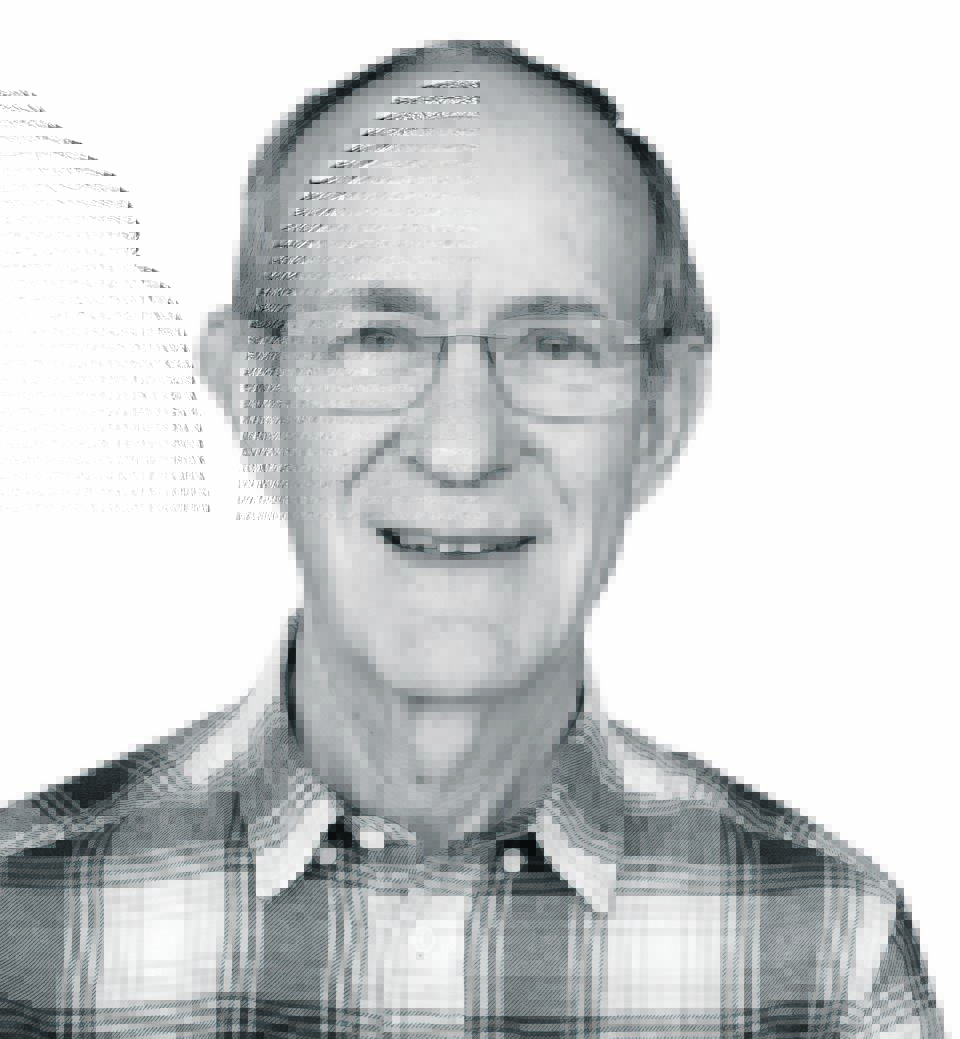
V This health column is written by Dr Dave Glass, a retired obstetrician/gynaecologist living in Somerset West for just over a year. He is also chairperson of the South African Lifestyle Medicine Association (Salma).
V Glass, with an MBChB, FCOG(SA) and DipIBLM, has a passion for preventing and addressing the root causes of chronic diseases such as diabetes, heart disease, auto-immune diseases, obesity, dementia and cancer.

