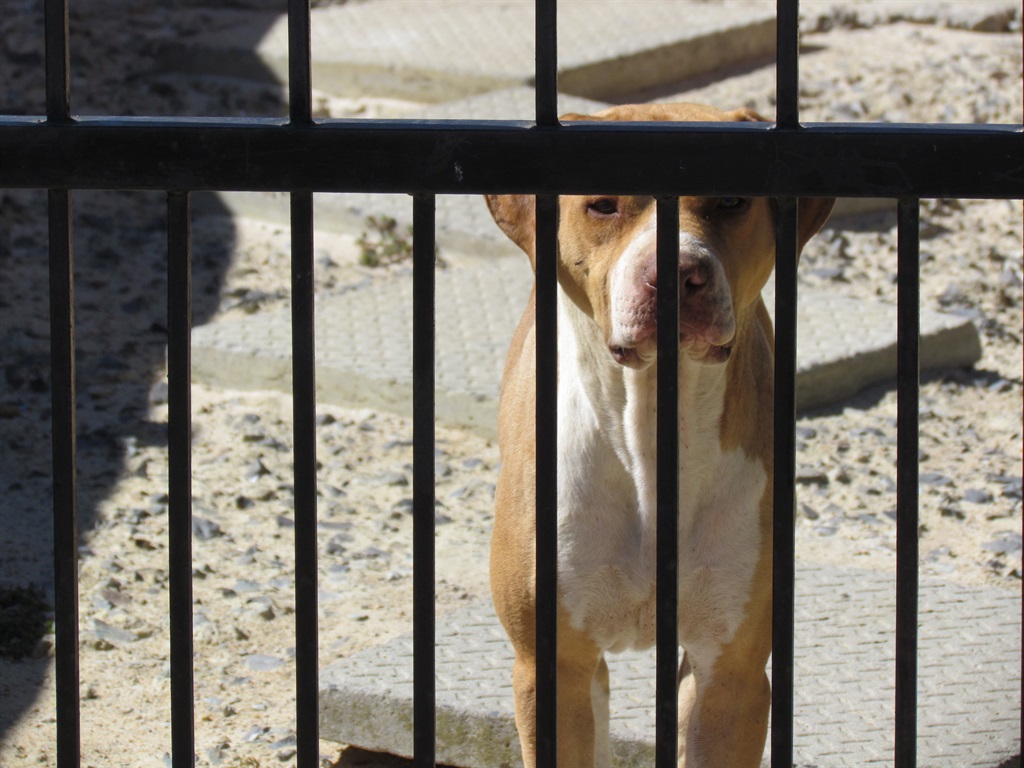

A contentious petition calling for the total banning of pit bulls in South Africa has gleaned more than 130 000 signatures since the online document’s launch on Friday 7 October.
The online petition was launched on change.org by the Sizwe Kupelo Foundation following the fatal mauling of 10-year-old Storm Nuku by his family’s two pit bulls in Gqeberha on Monday 26 September.
It is less than 20 000 away from its target of 150 000 signatures to pressurise government to completely ban pit bulls as domestic pets in South Africa.
Dr Sizwe Kupelo said the foundation is encouraged by the 131 000 signatures and the support of South Africans.
“We have noted the level of trauma pit bull victims have endured,” he said. “We have since received multiple testimonials from such victims, some left without limbs. We are now interacting with the national Department of Agriculture to secure a delivery date for the petition.”
The Sizwe Kupelo Foundation started the petition calling for the ban of pit bulls as a way of trying to protect people’s lives, particularly children.
In a recent pit bull attack, which claimed the life of a 15-month-old boy in Gonubie in the Eastern Cape, the Sizwe Kupelo Foundation refers to the pit bull who caused this death as having a “total disregard for human life.”
Animal organisations and activists have also weighed in on the debate. Julia Evans, manager at Helderberg Animal Welfare Society (AWS), believes the petition won’t bear fruit and does not agree with the organisation wanting to ban pit bulls. “It will push these breeders underground,” she pointed out.
“It won’t work. The only way it will work is by having responsible owners who know how to handle power breeds like pit bulls. We always have an open-door policy if people want surrender their pit bulls.”
Evans added it’s impossible to mention how many pit bull incidents Helderberg AWS has had to deal with over the last five years. “We deal with incidents of pit bulls attacking other animals daily, but we don’t get attacks on humans. These pit bulls who come in after animal attacks are euthanised because we can’t take chances; one can’t rehome one of these pit bulls.”
Evans mentioned Helderberg AWS has rehomed pit bulls to owners who have not had any incidents with this power breed.
“However, we always urge pit bull owners to be cautious with this breed.”
Suzanne Mostert, an inspector at Glen Graze Animal Rescue in in Somerset West, shared the same sentiment. She believes it’s important to know the type of animals, but said people should pay more attention to and report illegal backyard breeder.
“If you can take down these illegal breeders, you can bring down the number of pit bull attacks,” Mostert said. “We have a deaf pit bull that we rescued, and I handle the animal as if I were handling a weapon. I take responsibility for the animal and it sleeps in my room. But, as with guns, accidents can happen.
“Illegal breeding of pit bulls is currently the biggest issue. It is something our current animal bylaws are busy addressing, but I going on a wild witch hunt won’t help this situation either.”
Jaco Pieterse, chief inspector of the Cape of Good Hope SPCA, confirmed the SPCA movement does not support the complete banning of pit bulls.
“The SPCA movement is in favour of stricter regulations to regulate breeding and ensure dangerous animals may be kept only by those in possession of a permit and meet certain requirements,” he pointed out.
Pieterse further said the SPCA cannot comment on how many pit bull attacks there have been on humans in its area of operation over this past year, as this does not fall under the organisation’s mandate.
“These cases are generally reported to the South African Police Service and City of Cape Town’s Law Enforcement, which enforce the legislation governing animals attacking people.”
District Mail & Helderberg Gazette readers also weighed in on the matter when pulsed on social media, many stating they are against the banning of the power breed.
“Are they going to ban or put down the rapists and murderers who kill small children, farmers and old people as well?” asked Liesl Leisse. “I am also against breeding, but what is the difference between discriminating against the breed of dog and racism.”
“Interesting that no-one creates petitions or calls to bring harsher sentences for these crimes that are done by humans that can practice self control,” commented Kayla van Wyk/
Cara Deutschmann said: “It’s not the breed of dog, it’s the humans who train them for dog fighting.”
Anoux Massey from Pet Empowerment in Townships (Pets) is conflicted on the issue surrounding pit bulls, as she has had some bad experiences where pit bulls killed two of her dogs.
“However, I have not had any issues with pit bulls when it comes to humans. I have not had any pit bull issues with children as they are usually very child-friendly family dogs,” she said.
“Pit bulls, like other dogs, can easily get excited when in a situation – for example, being behind a fence and unfamiliar dogs pass by and get them riled up. Most dogs (not just pit bulls) get so excited, they can often just lash out at the nearest thing, whether it be a child, person or dog. It is not always with the intent to hurt that person or other dog.”
Like all of the other animal experts Massey believes people need to understand pit bulls and not hate them for what we (as humans) have done to them.
“All power breeds need to be in homes where they are loved and cherished, where they get lots of attention, are socialised and sterilised,” concluded Massey.