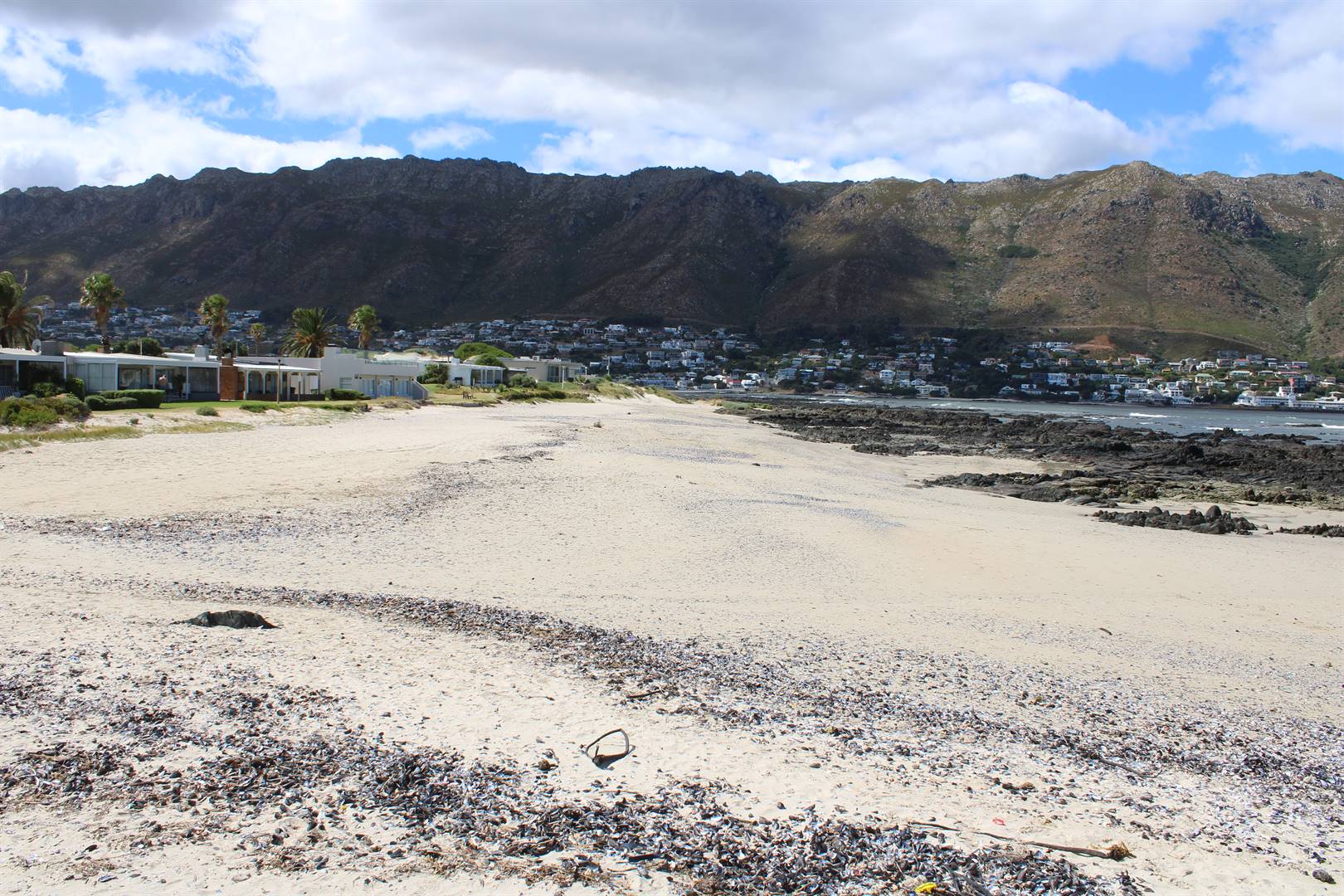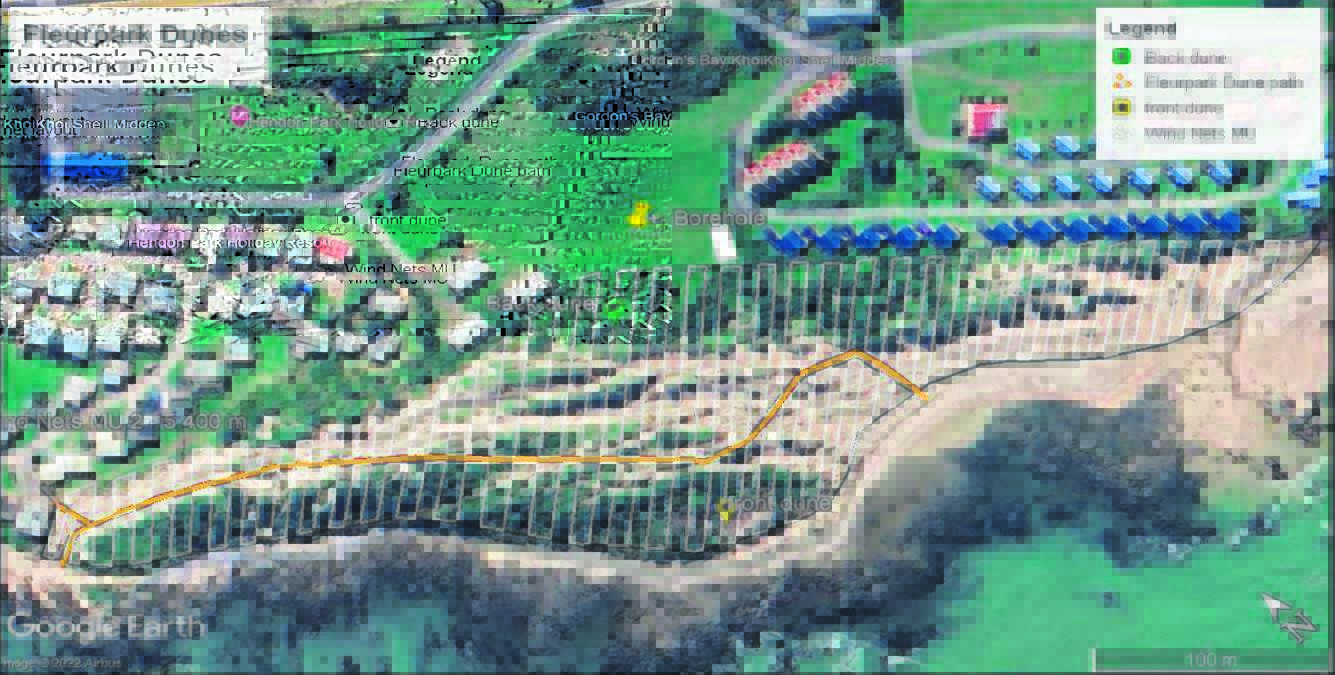

The City of Cape Town will this month (March) commence a dune rehabilitation project Gordon’s Bay, the intention of which is to restore the dunes so they can once again serve as natural buffers against storm surges and the longer-term projected impacts of sea-level rise. The work will continue until June 2024, pending any unforeseen delays.
Importantly, residents and visitors will still have access to the beaches while the dunes are rehabilitated, and only the sections where work takes place will be temporarily cordoned off.
Dune rehabilitation is the most cost-effective and pragmatic approach to protecting and rehabilitating ecosystems and ecological infrastructure. When fully functional these systems – in this case the dunes – help to create quality coastal spaces for all of us.
The dune cordons Gordon’s Bay have deteriorated and lost much of its ability to protect the surrounding infrastructure, such as the parking facilities, roads and beach access from windblown sand.
“We will move the sand with heavy machinery such as dozers, excavators and dump trucks to re-profile the dunes,” said the City’s Deputy Mayor and Mayoral Committee Member for Spatial Planning and Environment, Alderman Eddie Andrews. “Once profiled we will fence-off the areas. Then teams will install wind nets and populate the dunes with suitable plants and irrigation. It will take a while for the vegetation to be established. But once done the vegetated dunes will help trap the sand on the beachfronts, and prevent it from blowing onto roads and adjacent buildings on windy days.
The work will take place from the first week of March 2023 until June 2024 if all goes as planned, Monday to Friday from 07:00 to 17:00, weather permitting.
In Gordon’s Bay the dune between Harbour Island and Gordon’s Bay Main Beach will be re-profiled (reshaped). The area covers approximately 5,5 ha and 70 000 m³ sand will be moved, of which 61 000 m³ sand will be returned to the ocean. The dune will be vegetated with 114 363 plants and 9 km of netting will be installed as part of the profiling, and 56 689 plants will be searched on site and rescued for re-use.
“The City’s project team hosted a number of meetings with directly affected residents in these areas, ratepayers’ associations, and sport clubs and the relevant subcouncils were briefed,” said Andrews. “There may be some noise while the machinery is working, but the parking areas will be fully accessible to the public. I want to request beachgoers to please avoid the work areas, to keep dogs on a lead and stay clear of the dunes to allow the plants time to get established.”
The City successfully implemented a similar dune rehabilitation project in Hout Bay over the past five years, and more recently along 3 km of coastline at the Table View beachfront. These projects demonstrate how dunes, once rehabilitated and stabilised, can manage windblown sand and reduce the maintenance burden of adjacent infrastructure.