
The Heart and Stroke Foundation South Africa (HSFSA) is calling on South Africans to remember the high burden of heart disease and strokes on our citizens this Stroke Awareness Month.
“We’d really like to take this opportunity to raise awareness about the risks associated with cardiovascular disease, high blood pressure and strokes among South Africans,” said Professor Pamela Naidoo, HSFSA CEO.
Naidoo shared a few cautionary statistics from SA:
- One in three adults has hypertension (high-blood pressure), which heightens the risk of strokes, heart attacks, heart failure and kidney disease.
- Strokes and heart disease are responsible for one in six deaths, but about 80% of that can be prevented by lifestyle choices
- About 60% of women and 31% of men in SA are overweight or obese.
International data
Globally, high-blood pressure is estimated to be a contributing factor to 12,8% of all deaths, while heart disease-related illnesses cause 17,7 million deaths annually.
“Increased urbanisation, stress and unhealthy behaviours contribute to hypertension. Structural inequality also impacts low-income people’s access to healthy unprocessed food, safe exercise and quality medical care,” said Naidoo.
As a start, consumers can buy better by looking out for the HSFSA iconic red and white heart mark on over 450 consumer products, which provides science-backed guidance for healthy food choices.
SA loses an estimated R30 to R50 billion in direct health costs every year, Hofman added. This refers to public and private spending on heart disease, diabetes and high blood pressure through hospitalisation, outpatient care, medication and rehabilitation.
“Cardiovascular disease, which leads to stroke, is the leading cause of premature death and disability in the non-communicable diseases cluster in SA,” Hofman said. “Obese individuals are at risk medically, but they are also losing out economically, due to lower productivity which leads to lower wages, and increased illness, disability, early retirement and premature mortality. Obesity is a severe and costly problem in SA, but the good news is that it is preventable and reversible.”
Hypertension, in turn, heightens the risk of stroke, ischaemic heart disease, renal insufficiency and dementia, but thankfully it is readily treatable, she said.
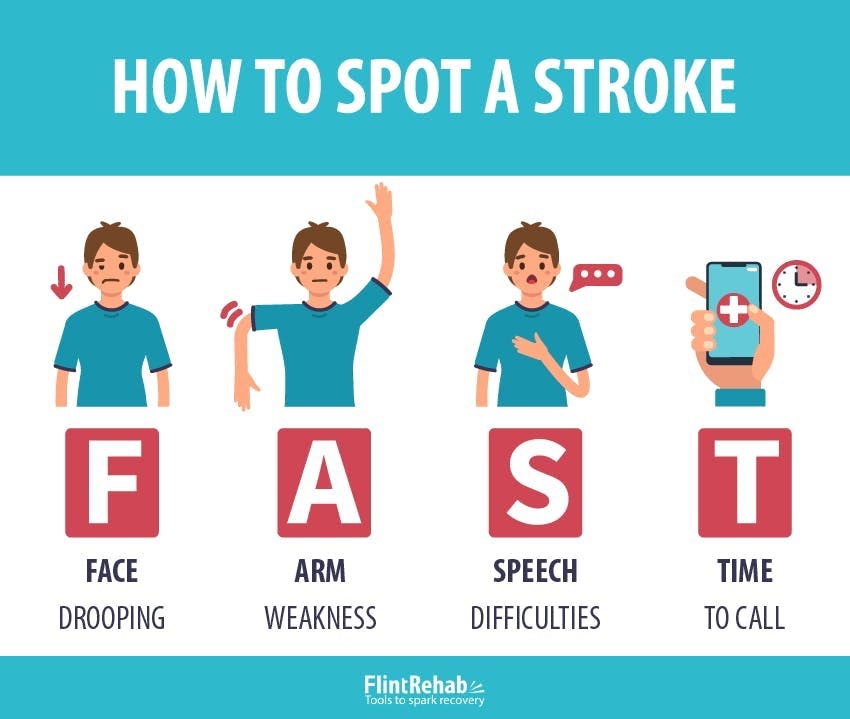
A stroke happens when the blood supply to part of the brain is interrupted by a clot or a bleed which causes surrounding brain tissue to die. Stroke survivors can be left with disabilities and impairments that affect how they move, speak, think and feel.
South Africans can also look out for the HSFSA’s mobile clinics or visit the website for accurate and helpful information about stroke risk factors, lifestyle changes and how to access the medical support they require.