
A local veterinary company’s initiative to teach young children about empathy and compassion towards animals will not only benefit the animals, but also the way the children treat one another, and the way they respond to their world as they grow older.
“We must not forget the children of today are the leaders of tomorrow, and the amazing thing about the human and animal bond is the empathy and responsibility it teaches us and particularly our children,” said Dr Ingrid de Wet, head veterinarian at EberVet Country Animal Clinic in Somerset West, which participated in this school programme.
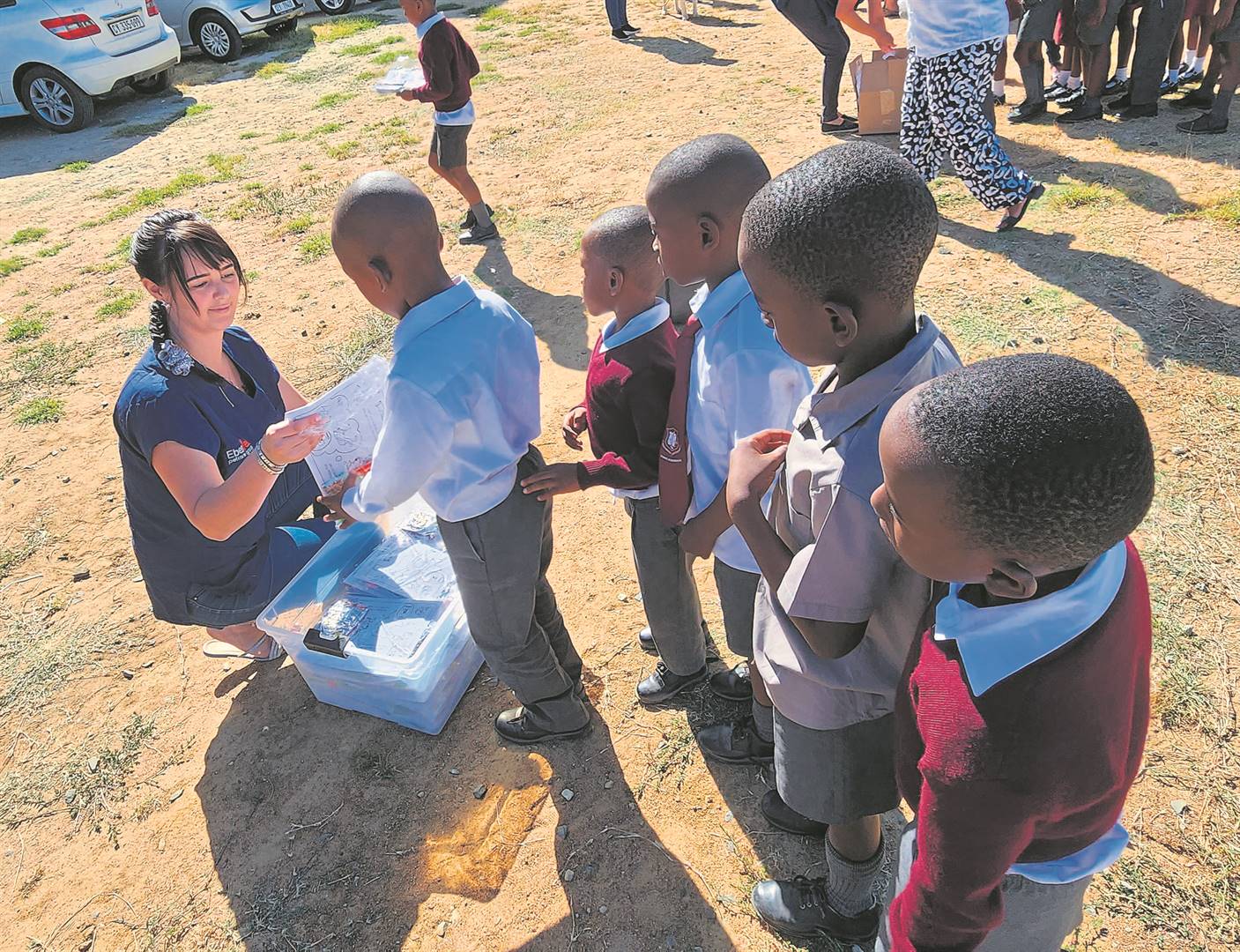
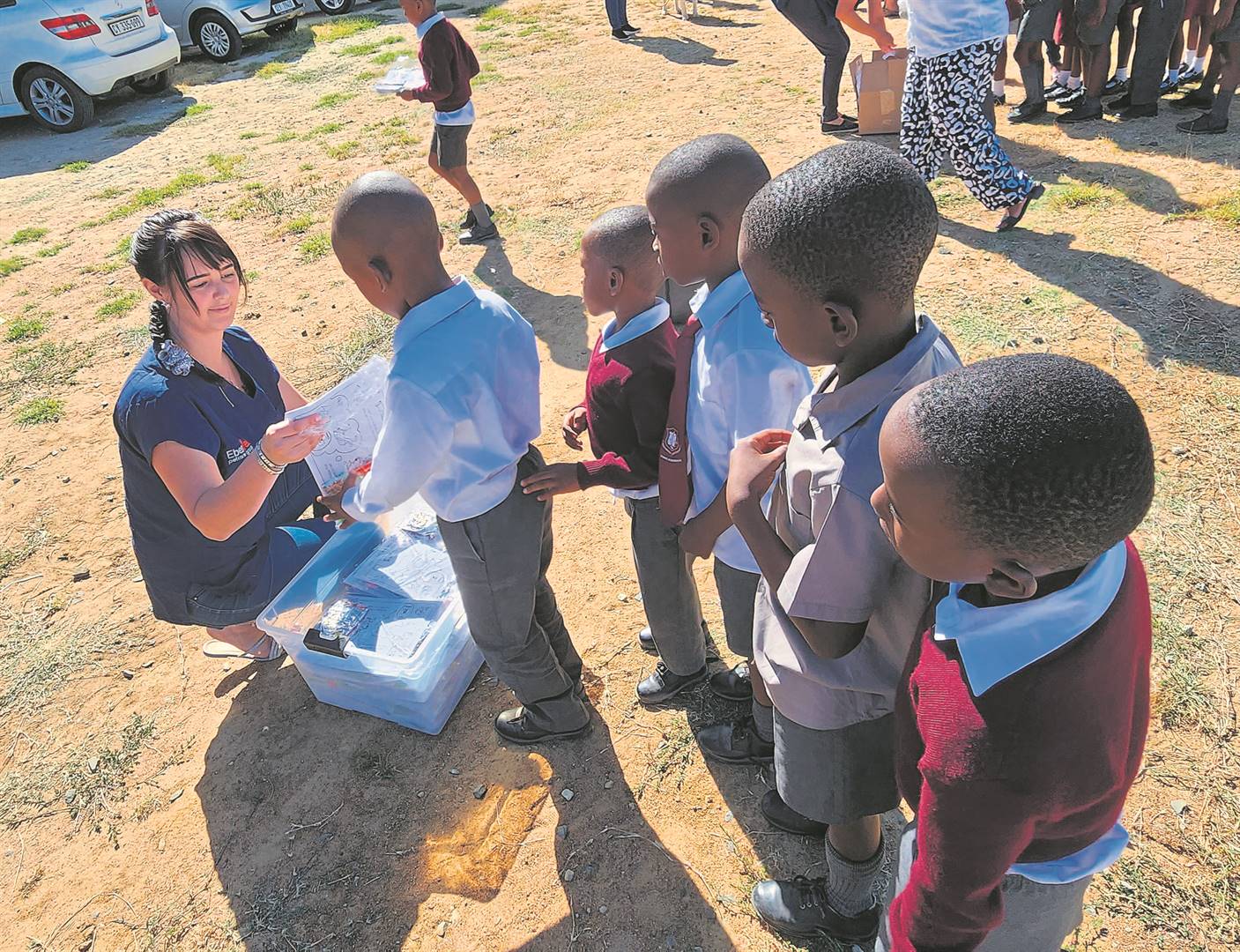
More than 200 learners of Danie Ackermann Primary School were treated to a visit from De Wet, several of her EberVet Petcare Group colleagues and three dogs on Thursday 2 February. They were taught that animals feel the same pain, hunger, cold, fear and thirst humans do.
“We helped the children understand we are like animals and they are like us, and we need to treat them with the same empathy, compassion and understanding,” De Wet said. “We believe this, in turn, teaches children how to treat one another.”
The group’s secondary focus was to help children read animals’ body language, in particular dogs, to avoid potential dog bites. The children were also schooled in rabies prevention as rabies is a growing issue in the Western Cape.
“A very special moment was when one very frightened little boy named Alvin (the same name as my dog) got to accept that not all dogs are to be feared. By the end of our visit, he was feeding the dog treats.”
This initiative is part of the EberVet Group’s Community Impact Projects programme, which hosts four community projects per year – educational, environmental, social and animal.
“Our company believes we have a responsibility not only towards animals but to communities too, to assist where we can, to build and uplift,” said EberVet CEO Dr Hilldidge Beer.
The group also raised funds for animal-themed colouring-in books and crayons, which were handed to every child.
“The Grade 1s of today are going to be tomorrow’s change makers. We like to believe that by sharing our knowledge with them they will think differently about animals and one another,” De Wet said.