
Water is a precious resource and is part of our lives.
For a given period 932 million F was used daily in Cape Town, which is below the usage target set for the season.
Looking to the future, as Cape Town navigates the challenges posed by climate change and population growth it is increasingly imperative for residents to understand how the City plans to introduce new water sources via its New Water Programme, such as water re-use and desalination, intended to help make our supply more resilient to an unpredictable natural water cycle and navigate future droughts.
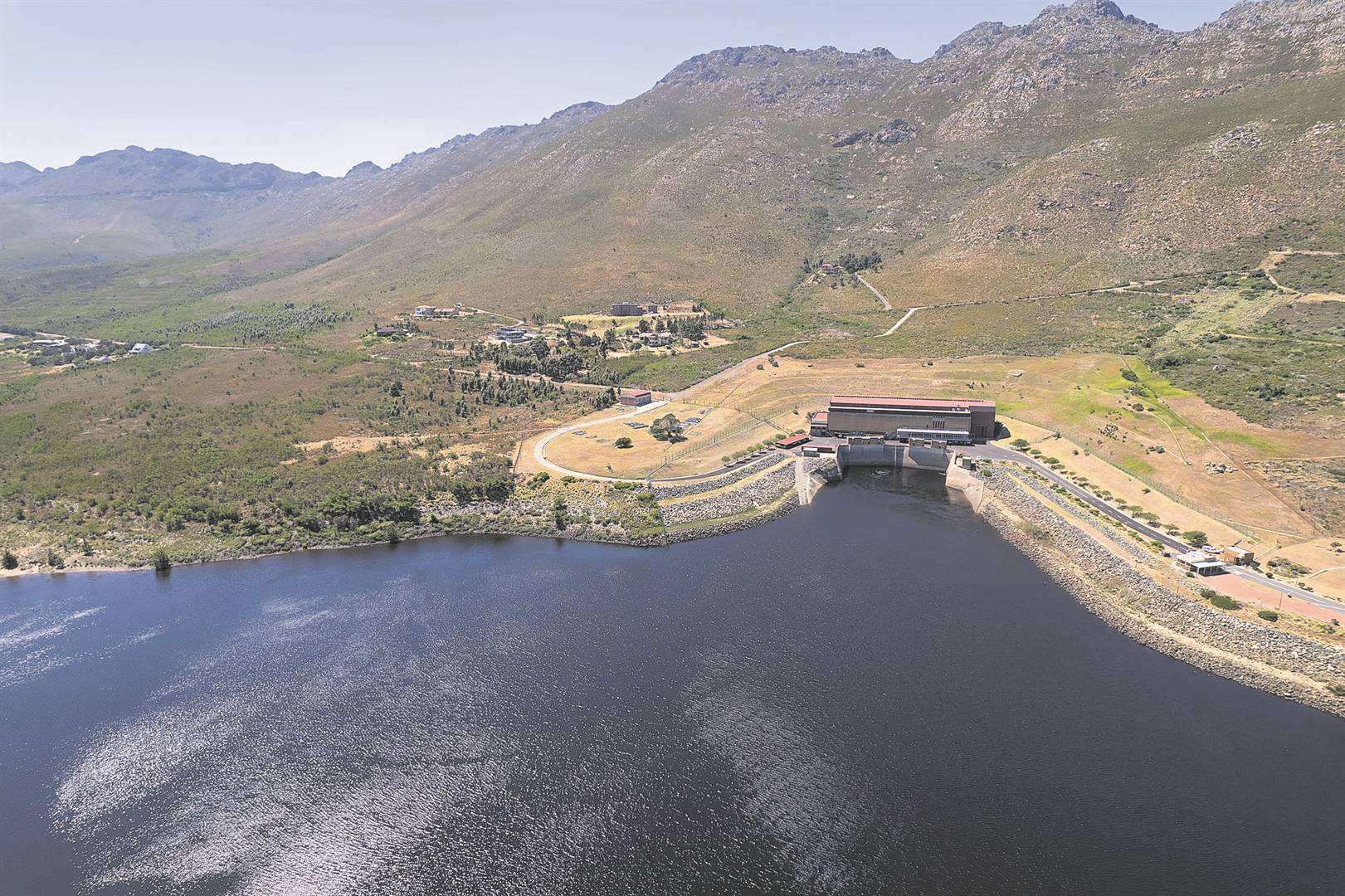
Cape Town’s water supply system is currently a combination of surface water and groundwater, which together with water treatment facilities, provide a reliable supply of high-quality water to residents. As winter approaches, the dam levels currently stand at a 65%. This is higher than the same time last year, when dam levels were at 58,6%.
Based on past experience with the drought, the City knows that the natural water cycle and its associated supply can be unreliable. Despite nature’s resilience a number of factors threaten the stability of the water cycle, such as weather patterns becoming more intense due to climate change, resulting in droughts, floods and unpredictable precipitation. These problems are worsened by urbanisation. Also, even if it rains not all of the rainwater falls in our dams and catchment areas. The downpour that lands in our river network travels through many parts of the city, where densification and pollution often compromise water quality.
The City ensures that all of the water collected from dams, reservoirs and groundwater sources, is treated extensively at water treatment plants, to make it safe for drinking. It is also tested regularly at multiple sampling points to check that it is of a high quality, meeting national SANS 241 standards, before it is distributed to households and businesses.
More broadly, the City’s Water Strategy was developed to prepare for water security in future. By diversifying its sources of water supply and employing technologies for water re-use and desalination to add to the mix, an additional 120 to 170 million F per day (ML/d) could be added to the water supply system.
The City’s New Water Programme (NWP) consists of four strategic components being pursued to augment the City’s daily water supply by 300 million F by 2040:
. Water re-use: Implementing purified recycled wastewater, adding 70 ML/d to 100 ML/d.
. Desalination: Extracting salt from seawater to yield 50 ML/d to 70 ML/d.
. Clearing of invasive plant species and various management interventions: Harnessing water from rivers to contribute an additional 40 ML/d.
. Groundwater: Drilling boreholes and tapping springs securing over 100 ML/d.
Said Councillor Zahid Badroodien, Mayco Member for Water Sanitation: “Various projects contributing to the New Water Programme are already progressing well such as the R2 billion upgrade of Zandvliet Wastewater Treatment Works and approximately R2,6 billion investment into the Cape Flats Aquifer project.
“The City will continue to phase in other components of the programme in the long-term, to see our plan become a reality.” As we move forward educational engagements are being scheduled through sub-councils to provide a platform for residents to access information about the New Water Programme. This will provide an opportunity for residents to have their concerns addressed or questions answered by expert multidisciplinary teams working on the roll-out of water re-use and desalination. We encourage residents to connect with their sub-councils so they are informed about the educational engagements when they are available.