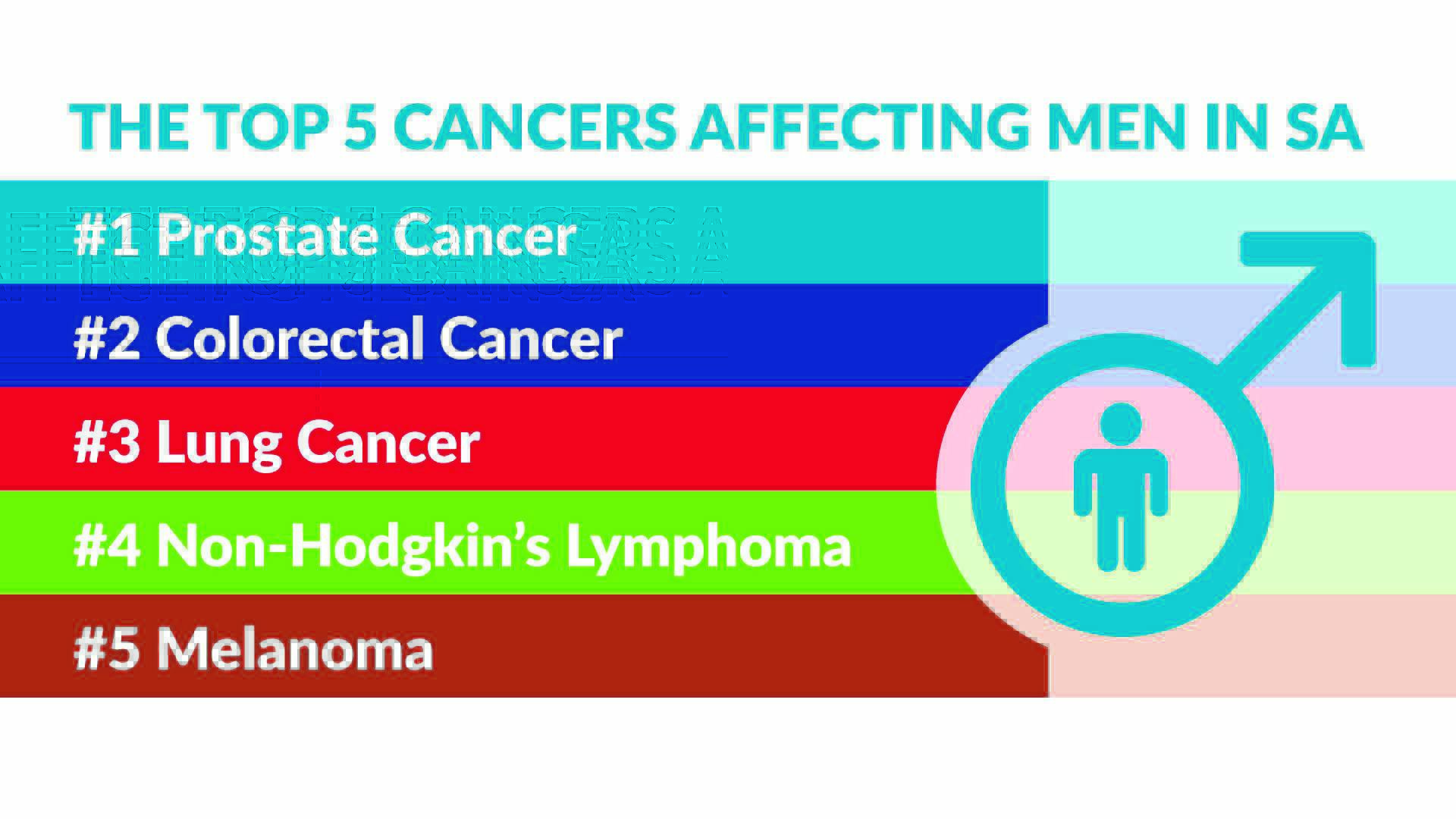


November, being Men’s Health Awareness Month, sees the Cancer Association of South Africa (Cansa) take stock of its Prostate Cancer Patient Navigation Project launched in KwaZulu-Natal earlier this year.
“A major challenge we have in South Africa when it comes to managing prostate cancer is late diagnosis which can lead to unnecessary death,” said Lisa Strydom, Cansa’s national manager for care and support.
Helping prostate cancer patients to navigate their screening, treatment and post-treatment journeys is the aim of a year-long project driven by Cansa in collaboration with the KZN Department of Health and funded by Hollard Insurance and the American Cancer Society under its BEACON Initiative.
Prostate cancer is the most common cancer among men in SA, with men having a one in 15 chance of being diagnosed in their lifetime according to the National Cancer Registry of 2022.
“While the diagnosis figures are increasing, we still have the challenge that some men, for whichever reason, delay being diagnosed,” said Strydom. “Some of these men, many who could have been treated successfully, land up dying from the disease. Our objective is to make men more aware of symptoms that may need urgent follow up and to provide opportunities for men to screen more regularly. In addition, we want to ensure that those requiring follow ups don’t get lost in the system and receive the treatment they need within a reasonable amount of time.”
Cansa’s project is working to improve results of a research study on waiting times for prostate cancer diagnosis in KZN, conducted by specialist urologist Dr Kiran Singh. Singh, who consults at the Durban Medical Centre and Ahmed Al Kadi Private Hospital, found that despite late presentation of prostate cancer in KZN, patients were waiting an average of three months from initial referral for a prostate biopsy to the start of definitive management.
“In other words, way too long. The earlier cancer is detected and treated, the more likely it is that the treatment will be successful,” said Strydom.
The study also found that there was a general lack of personal health awareness among patients, with some seeking medical intervention only when home remedies or traditional medicine had failed. Further, when it comes to healthcare providers in the public sector, it was found that there was inadequate knowledge of prostate screening tests, such as, digital rectal examinations and monitoring of Prostate Specific Antigen (PSA) levels, and when to appropriately refer patients.
There was also a belief among healthcare workers that prostate cancer progressed slowly and need not be referred immediately on diagnosis.
“We can extrapolate these results to many other areas in SA,” said Strydom. “But we had to focus our initial efforts to find solutions to these challenges and we selected areas in KZN where Dr Singh’s research had highlighted serious gaps in awareness and treatment of prostate cancer.”
Services provided include awareness and education, prostate cancer screening, accommodation, meals and transport during treatment, psychosocial support, assistance with temporary illness grant applications and referrals to project stakeholders, such as, palliative care facilities and services.
In the first half of this year, Cansa and other project stakeholders trained 10 people as “patient navigators” on cancer; prostate and testicular cancer signs, symptoms, and screening and treatment processes; and how to run a Cansa Information and Support Desk in a public hospital.
The navigators located at the four clinics and one hospital, attend to men that have been diagnosed with prostate cancer. They walk with the patients throughout their treatment journeys and provide education, practical assistance, and referrals to other resources when necessary. They also ensure that patients return for follow-up appointments and help them overcome any practical challenges they may face.
The navigators also assist other cancer patients providing them access to cancer-related information and other resources.
Said Mzonjani Nyadi, a prostate cancer survivor who underwent treatment at the Inkosi Albert Luthuli Central Hospital: “Cansa has been supportive throughout my journey, which enabled me to continue cancer treatment. May Cansa continue to help others the same way they have helped me.”
Zakhele Ngcobo, hospital patient navigator stated: “This project has allowed me to make a valuable contribution to cancer patients’ lives, especially men’s lives. When you are a man, it’s somewhat difficult to ask for help and to openly discuss issues and fears when it comes to health issues that pertain to ‘our manhood’. I am there even if a patient just needs to talk. Even within my community I’ve been able to start conversations and educate community members regarding prostate cancer.”
David Khuzwayo, a community patient navigator, said the project carries a subject that has been long been ignored by African men, mostly in rural areas. “Some are still reluctant to come forward for screening and awareness. The project gives men an opportunity to be educated and screened for prostate cancer and illnesses that some did not even know existed and some were afraid to seek assistance because of the extreme stigma it carries,” he pointed out.
Cansa also runs cancer training programmes and provides information to community outreach health worker team leaders in several provinces and the health department community healthcare workers. By end October, 329 men were educated about prostate cancer at community events and home visits. Three prostate screening community events have taken place, with 113 men been screened with two more screening events this month.
Cansa has a wide range of services and support mechanisms to guide people affected by cancer, including prostate cancer, through the stages of screening, diagnosis, treatment, and post treatment.