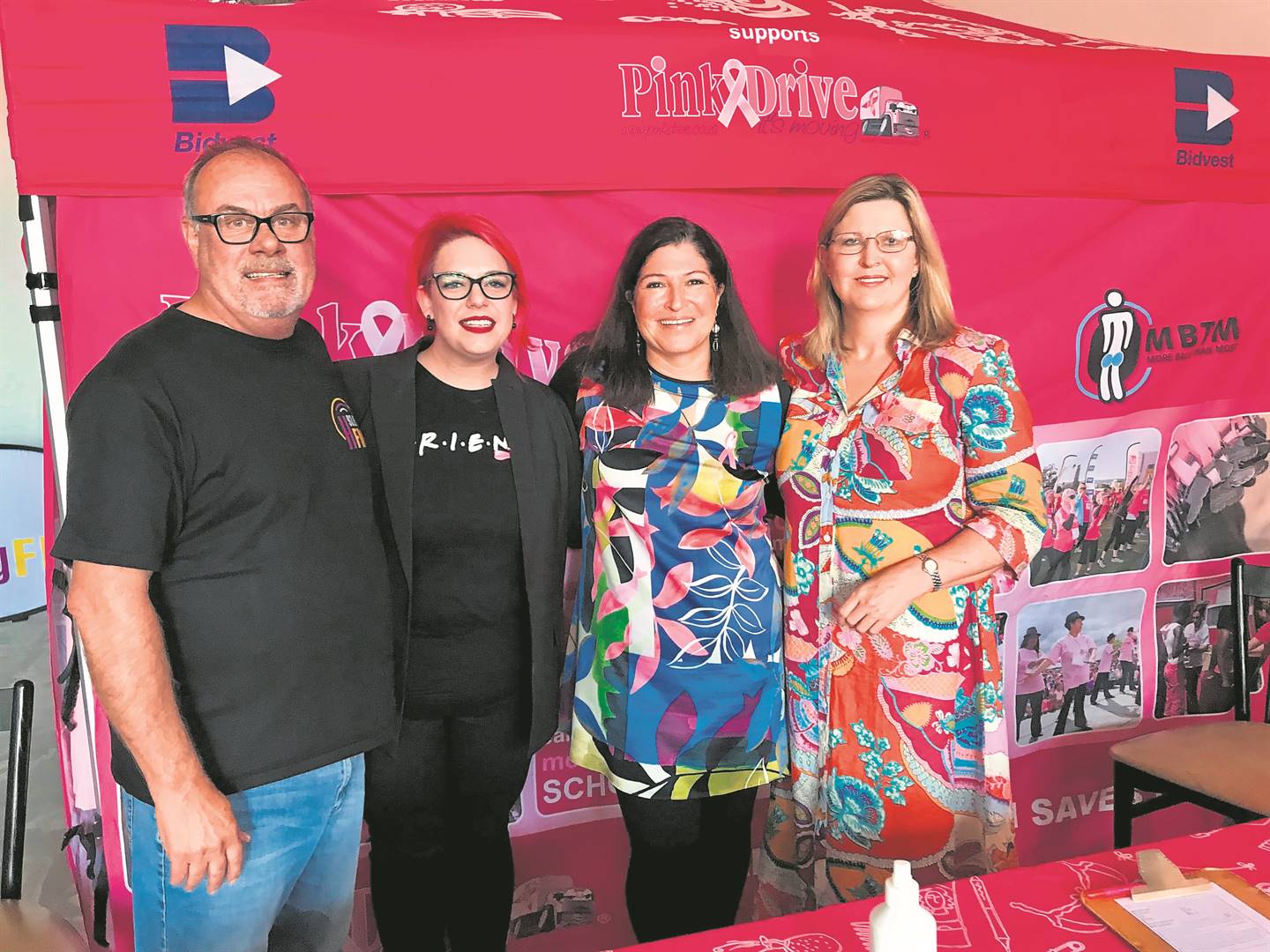


October is again painted pink as organisations create awareness of breast cancer throughout the month.
Breast and cervical cancer are identified as a national priority with increasing incidences, and the Cancer Association of South Africa (Cansa) urges women to go for annual health check-ups and screening for early detection. Next to non-melanoma skin cancer, breast cancer is the most common cancer affecting women in SA with a lifetime risk of one in 27, according to the 2019 National Cancer Registry (NCR). There is growing concern that most women present with late-stage cancers, which makes for a difficult prognosis.
Said Lorraine Govender, Cansa’s national manager: “Research has shown that a regular breast self-examination (BSE) plays an important role in discovering breast cancer, compared to finding a breast lump by chance. While not all breast lumps indicate cancer, they should be investigated. It’s vital to educate yourself and get to know the warning signs and symptoms.”
Cansa offers clinical breast examinations at its care centres to detect any irregularities and patients with medical aid benefits can claim from their medical aids once they have paid for the screening. Women are entitled to an annual clinical breast examination when visiting primary healthcare centres, Govender added.
A mammogram does not prevent breast cancer, but it can save lives by finding breast cancer as early as possible. Women from the age of 40 should go for an annual mammogram for non-symptomatic breast screening.
Some people have gene mutations that make them more likely to develop breast cancer. The most common gene mutations are found in the BRCA1 and BRCA2 genes that normally produce proteins that protect one from cancer and help repair damaged DNA.
Women with one of the defects have more of a chance of getting breast cancer, so should be referred for an annual mammogram.
The Cansa advocacy team makes decision makers aware of challenges faced by cancer patients in accessing cancer screening and treatment, and lobbies for necessary changes needed to lower the public’s cancer risk and protect the rights of cancer patients and caregivers.
Cansa also has resources available to patients where breast cancer has spread to other parts of the body, known as metastatic breast cancer (MBC) – a long-term diagnosis with many side effects and challenges.
With the help of experts and MBC survivor patients, the iSurvivor email support programme was re-written with a focus on the needs of MBC patients. Patients who sign up receive weekly emails to guide and support them. You can also sign up for the MBC WhatsApp support group by emailing info@cansa.org.za. For other options, call 0800 226 622.