
“A person’s body is subject to three collision impacts during a motor vehicle accident. The initial impact occurs when the vehicle crashes into another vehicle or object. The second impact occurs when your body reacts to the crash by slamming into the nearest surface, be it a door or windscreen. The third impact occurs when your organs are smashed against your skeletal organs. So one person experiences three collision impacts in one accident and that is why crashes are so dangerous.”
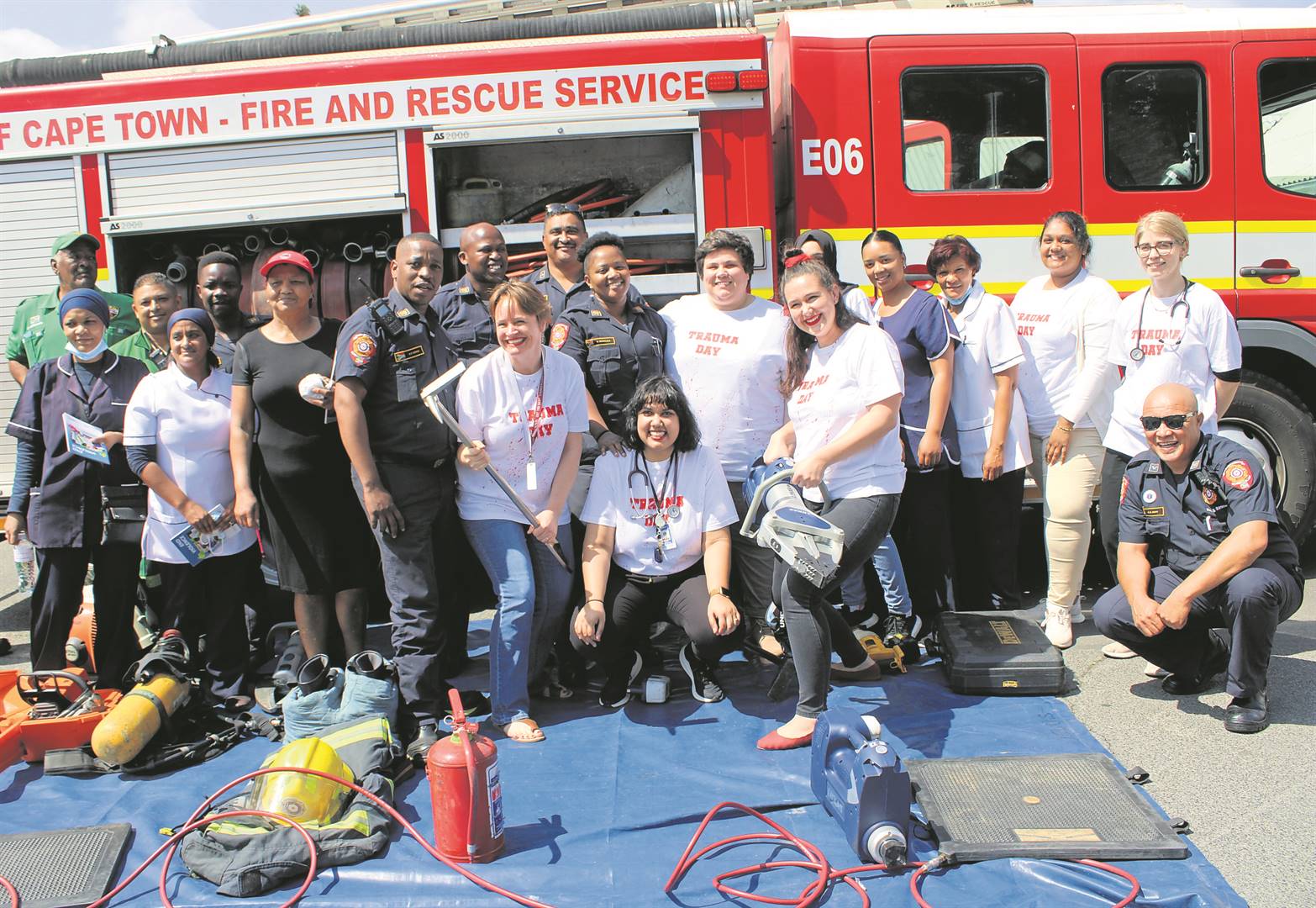
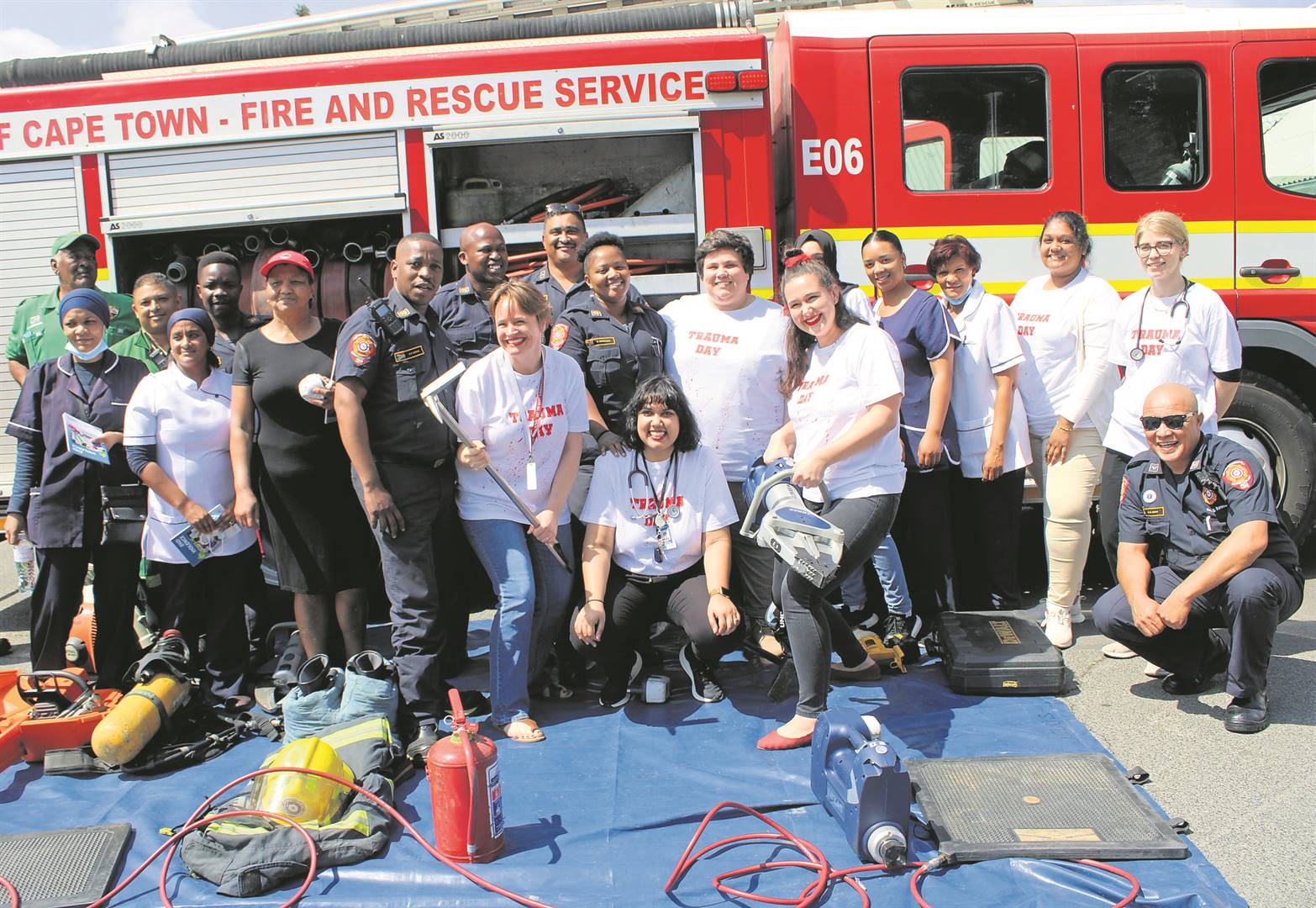
This is how Cheslynn Benn, a firefighter of the City of Cape Town’s Fire and Rescue Services, described an occupant’s physical response to an accident during a special demonstration at the World Trauma Day event hosted at Helderberg Hospital this past Monday (17 October).
“Myself en Dr Michelle Allen invited stakeholders and we wanted to present how the emergency system works. We also had a talk about our new Hospital and Emergency Centre Tracking Information System (Hectis) which is used to monitor important statistics pertaining to emergency centre operations including when a spate in patients occurs,” said Munzhelele.
He further explained that the day was also about educating the community on what an emergency is, what do in case of an emergency and the process at Helderberg Hospital. In attendance were representatives of the Emergency Medical Services (EMS) and Fire an Rescues Services that are called in serious, unexpected and often dangerous situations requiring immediate response. To raise awareness on the importance of blood and organ donation, the Western Cape Blood Service (WCBS) was ready to provide all the insight guests needed. WCBS staff will return to the hospital for a blood drive at month-end.