
Unhealthy living is accelerating chronic kidney disease (CKD) in South Africa, to the point where even potential donors are being disqualified, damaging not only their own kidneys but also reducing the chances of saving another’s life.
The South African Medical Journal estimates that 10% of people worldwide suffer from some degree of CKD, meaning it is likely some 5 million South Africans over 20 years old may be affected by this disease, which significantly impacts their quality of life.
Fadhl Solomon, Cardiovascular (CVS) Product Manager for Pharma Dynamics, says roughly 2 000 patients are currently awaiting a kidney transplant in the country, but for some the chance of them being matched with a suitable donor organ while still healthy enough to undergo a transplant, is slim.
With World Kidney Day marked on Thursday (9 March), countries around the globe are redoubling their efforts to raise awareness of kidney health and the factors that contribute to the disease.
Chronic kidney disease (CKD) is a progressive loss of kidney function over a period of months or years.
Each of your kidneys has about a million tiny filters called nephrons. If nephrons are damaged they stop working. For a while healthy nephrons can take on the extra work. But if the damage continues more and more nephrons will shut down. After a certain point the nephrons that are left cannot filter your blood well enough to keep you healthy. When kidney function falls below a certain level it’s considered kidney failure and affects your whole body, making you feel very ill.
Untreated kidney failure can be life threatening.
You can lose up to 90% of kidney function before experiencing any symptoms, and most people don’t have any symptoms until CKD is at an advanced stage.
Signs of advancing CKD include:
- Swollen ankles
- Fatigue
- Difficulty concentrating
- Decreased appetite
- Blood in the urine and foamy urine.
Solomon says diabetes and uncontrolled hypertension (high blood pressure) are leading causes of kidney disease, which over time can impair the function of one or both kidneys.
“Hypertension causes damage to blood vessels and filters in the kidney, making it difficult to remove waste from the body,” he says.
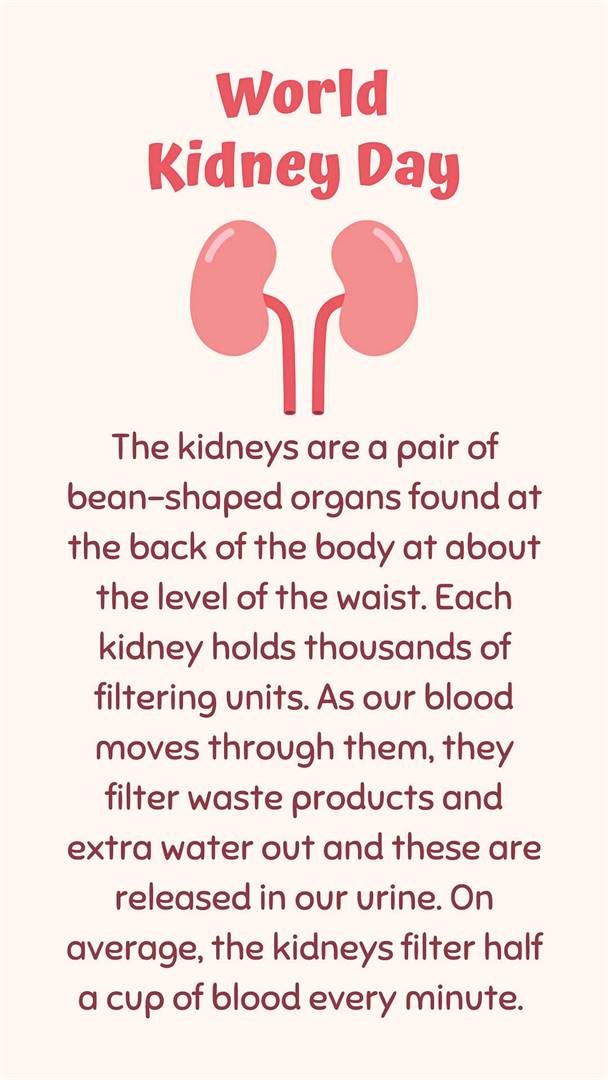
“Your kidneys are a pair of fist-sized organs located in your lower back region, on either side of your spine. They are responsible for balancing water and mineral levels in your body by filtering waste products and excess fluids from your blood into urine for excretion. If your kidneys don’t function optimally, it leads to the build-up of fluid and harmful waste products in your body.
“Once diagnosed with end-stage renal disease, a blood cleansing process called dialysis or kidney transplantation is necessary.”
Managing one’s risk of developing kidney disease is paramount, Solomon pointed out.
“The best way to control blood pressure is by making healthier lifestyle choices,” he said. “Those who already have hypertension and/or kidney disease, should be prescribed medications that lower blood pressure and can protect the kidneys from further damage.”
Preventative measures that can slow disease progression and protect against kidney and cardiovascular disease include:
• Maintaining a healthy blood pressure by eating healthily, exercising regularly, limiting alcohol intake and quitting smoking.
• Taking combination therapies, such as an angiotensin II receptor blocker and a diuretic (water pill), or an angiotensin converting enzyme (ACE) inhibitor with a calcium antagonist have been shown to be effective in patients who do not respond to monotherapy (treatment of disease with one medication).
• Reducing salt intake.
• Maintaining a healthy body weight.
Solomon says there has been some controversy over whether taking anti-hypertensive therapy over the long term can affect one’s kidneys.
“It’s important to keep in mind that you cannot take certain medication like blood pressure lowering medication or strong anti-inflammatories when you are constantly dehydrated, as this puts additional strain on your kidneys,” he said. “Adequate hydration is key.”
Some of the symptoms related to kidney disease include high or worsening blood pressure, a decrease in the amount of urine or cloudy or foamy urine, muscle cramps or spasms, dry and itchy skin, unexplained weight-loss, oedema (fluid retention), especially in the lower legs, a need to urinate more often, especially at night.
However, many of these symptoms may go unnoticed. Similar to hypertension, kidney disease is also described as a silent killer.
If you are obese have high blood pressure, diabetes, chronic inflammation of the filtering units (glomeruli) in the kidney or of the tubules or surrounding structures, a laboratory test to check the health of your kidneys, is advisable.
Several blood and urine tests can show if your kidneys are working properly. These tests include the serum creatinine and blood urea nitrogen (BUN) tests – elevated levels of either can indicate kidney damage. Proteinuria an excess of protein in the urine, is also a sign of kidney disease.
“Given the rise in risk factors, it’s important to identify kidney disease early on by going for regular screenings, especially in people who are at risk,” says Solomon.
Your kidneys:
- Make urine
- Remove wastes and extra fluid from your blood
- Control your body’s chemical balance
- Help control your blood pressure
- Help keep your bones healthy
- Help you make red blood cells