

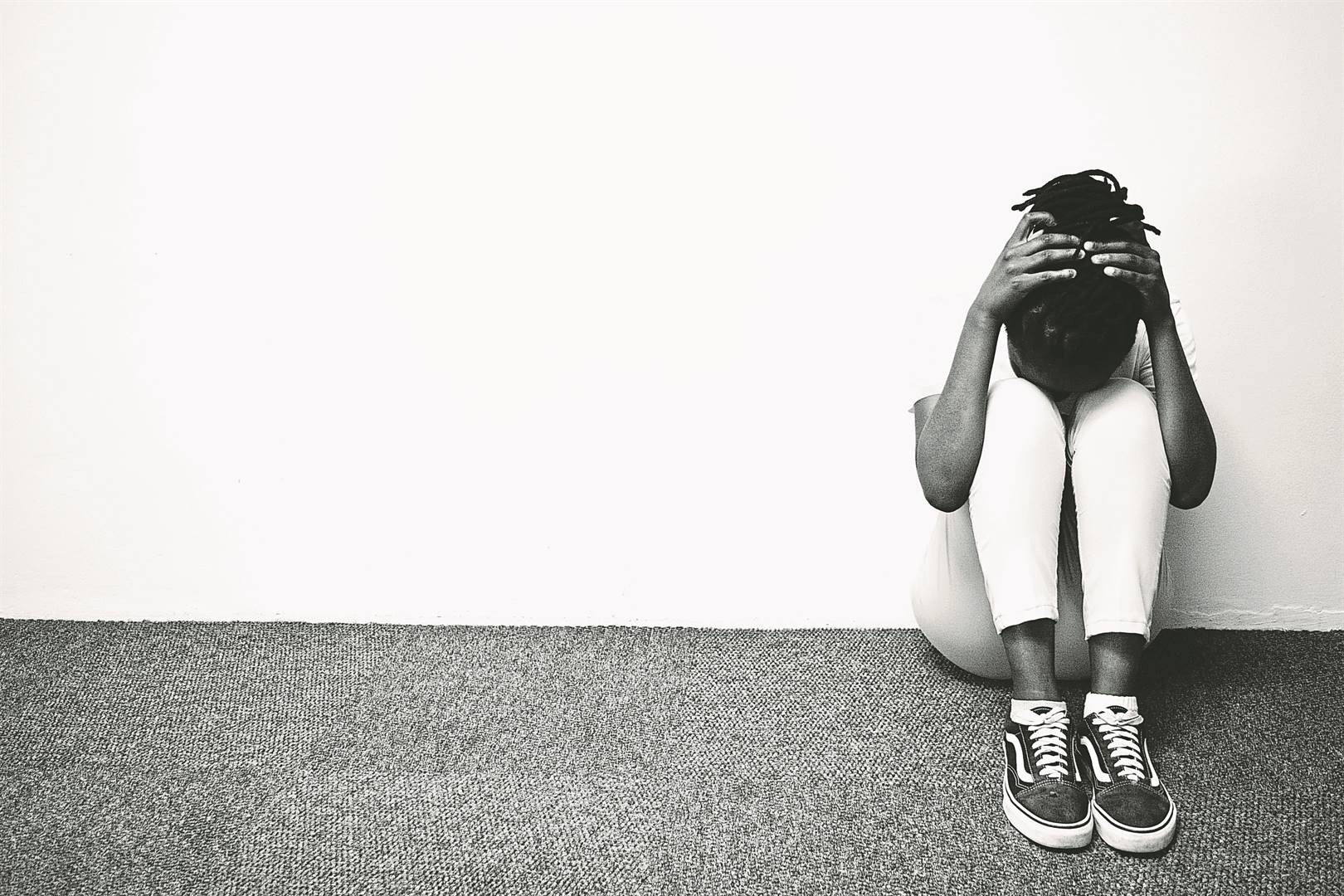
Self-harm, the act of deliberately inflicting pain and damage to one’s body by means of cutting, burning, scratching and self-poisoning through medication or substances to relieve emotional distress, is a growing concern among teenagers.
A 2021 UNICEF report found more than 65% of South African young people have had some form of mental-health issue but have never sought help. More than a quarter of the respondents did not think their mental-health problem was serious enough to warrant this, while 20% did not know where to access help and 18% were afraid of what people would think.
Dr Terri Henderson, child psychiatrist and member of the South African Society of Psychiatrists (SASOP), says self-harm is a cry for help and should never be ignored, downplayed as attention seeking behaviour or as a means of “acting out”.
“Contributory and co-occurring challenges for a teen, such as depression, anxiety, post-traumatic stress disorder, ADHD and substance misuse often lead to self-harm, as one of the methods teenagers engage in to cope with their undiagnosed and untreated mental health conditions.
“The age of onset is approximately 12 years, although there is a stronger association with puberty rather than chronological age. The number of teens presenting with self-harm infliction is increasing significantly due to heightened levels of anxiety, depression and stress experienced among teenagers, the availability of medication, alcohol and drugs, and the social transmission of the behaviour via social media channels.”
Henderson says research shows 50% of teens who self-harm will do so repeatedly. She attributed the high rate to depression, ongoing physical, verbal and sexual abuse, continuing interpersonal negative experiences and dysfunctional support systems.
“Most young people who self-harm do not seek help for the behaviour, fearing the stigma associated with it, the reaction of parents, peers and other adults. They fear others will judge them, or they may be viewed as a burden to caregivers and are often ashamed of their self-harming activities. When self-harm is used regularly as a coping mechanism, symptoms are often hidden to avoid the recognition of numerous and especially new scars. Eventually, self-harm is a behavioural pattern or coping mechanism that is difficult to break.”
What triggers self-harm?
Henderson says there are numerous and variable predisposing factors that contribute to self-harm such as:
– puberty is a neurodevelopmentally vulnerable time for teenagers, especially females, when there is an increase in emotional disorders and risk-taking behaviours,
– child and family adversity,
– emotional neglect,
– maladaptive parenting (little time or attention is given to children/teens and families in which negative emotional displays by children are punished),
– disruptive, unsupportive home environments,
– exposure to negative life events such as parental separation or divorce, loss of a parent, the experience of any form of abuse, past or current bullying and peer interpersonal challenges,
– sexual abuse,
– individual biological vulnerability in the form of emotional reactivity (high sensitivity to emotional stimuli) and emotional intensity (the tendency to have extreme reactions).
“Self-harm is often associated with perfectionism and self-criticism, creating a scenario where hurting oneself is used as a form of self-punishment, providing a behavioural model for vulnerable teens,” says Henderson.
“The combined set of invalidating home environments (where very few positive affirmations are given) and emotional vulnerability, interact to contribute towards self-harm by creating emotional dysregulation – the inability to calm yourself emotionally.
“The home environment is fundamental to teaching children how to regulate emotions, manage emotional arousal and tolerate emotional distress. If the role-models at home are not functional, children are ill-equipped in managing their emotions. This coupled with childhood traumas of abuse and neglect, contribute to chronic hyperarousal, increasing the risk for emotion dysregulation.”
The rate of self-harm is six times greater among the LBTQ+ teenage community due to an increased prevalence of mood disorders, substance misuse, victimisation, bullying and social stress.
“Low self-esteem, peer interaction difficulties or exposure to psychological bullying (social exclusion, cyberbullying, repeated rejection from peers and social isolation) are significant triggers. There is an association with smoking and alcohol use where both are used as maladaptive coping mechanisms.”
Why teens use self-harm to cope
Adolescents who self-harm externalise their pain in a physical and real form that makes it less abstract and easier to understand in order to:
– relieve anxiety;
– release anger;
– relieve unpleasant thoughts or feelings;
– release tension;
– relieve feelings of guilt, loneliness, alienation, self-hatred and depression;
– externalise emotional pain;
– provide an escape from emotional pain;
– provide a sense of security or control;
– self-punish;
– stop racing thoughts;
– stop flashbacks; and
– facilitate relaxation.
Signs to look out for
Henderson says parents who discover that their teen is self-harming are inevitably going to be frightened, and filled with questions as to the underlying reasons for the behaviour.
“Parents may feel confused, angry and helpless when they see signs that their child or teen is engaging in self-harm. Clues that may lead one to detect that a teen is self-harming include behaviour that is trying to hide scars such as wearing long sleeves no matter the weather or flinching in pain if their arm is touched. Other signs of mental distress are often present such as depression, increasing isolation, withdrawal from activities, friendships, schooling and sports, decreased focus on self-care behaviours such as bathing, changes in sleeping and eating patterns, irritability or markedly erratic moods.”
Henderson says once self-harm has been identified and it appears to be minimal and limited to one or two incidents, a short-term invention with a family doctor or psychologists will be adequate.
“More specialist support and intervention is required for severe or recurring cases especially if there is concomitant suicidality. Group or individual dialectical behaviour therapy is an effective therapeutic intervention. Medication is not used to treat self-harm but may be necessary to treat psychiatric disorders such as depression and anxiety co-occurring with the self-harm.
“A parent’s role is to provide support and make changes that allow a teen to know that they support them 100%. They are not able to fix them, but walking with them through support and treatment is going to get both parties into a much better and healthier mental health space.”