


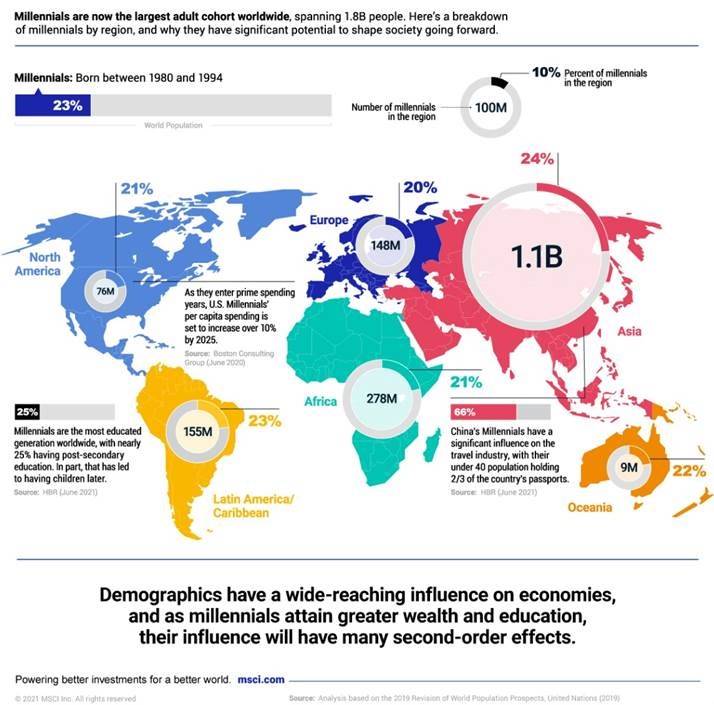
More people than ever are choosing a cup of tea over alcohol, and the generation that’s most likely to make the switch are millennials aged 26 to 41.
This according to a recent survey conducted by Mintel, a market-intelligence agency that tracks consumer trends around the world. Almost half (49%) of those surveyed in the UK agreed tea is a good alternative to alcohol, with 55% of millennials likely to ditch booze in favour of a cup of tea.
The high cost of living and wanting to live more healthily were cited among the primary reasons for making the switch.
Adele du Toit, spokesperson for the SA Rooibos Council (SARC), says in SA, too, consumers are feeling the pinch amid high inflation, and many view good-quality tea as an affordable treat compared to alcoholic beverages.
“Across the globe millennials are going semi-sober and embracing wellness more than any other generation.”
According to Forbes magazine, bars and nightclubs across the US, UK and Europe are suffering as a result.
In the last few years more than 10 000 bars have shut down in the US and 6 500 nightclubs have either had to cut back on their hours or close-up shop entirely. Nightlife in Europe isn’t what it used to be either. The number of nightclubs in Britain dropped from 3 144 to 1 733, and in the Netherlands 38% of nightclubs were forced to close.
Millennials’ semi-sober mantra have sparked a seismic shift in beverage preferences and consumption.
On the whole, millennials prefer to drink in moderation rather than recklessly, with a big focus on health and well-being. Wild nights of boozing at pubs and clubs being replaced by “juice crawls”, morning exercise classes and other wholesome activities.
Du Toit says alcohol moderation trends represent potential areas of growth for tea or tisanes in the longer term.
“The quest for affordable luxuries, coupled with the boom in health and foodie culture, has already seen vast changes in the tea industry. Even in supermarkets the shelf space dedicated to standard tea products has shrunk, making way for a larger range of speciality teas and tisanes/herbal infusions that offer new experiences for discerning tea drinkers.”
She says there has been a definite shift in the demographic buying Rooibos, with an increased interest in and demand from the youth.
“Last year, Rooibos was voted among the country’s favourite hot beverages in the 2022 Sunday Times GenNext Survey, in which more than 6 000 youth named their coolest products. Given the wide range of beverage options that the youth of today can choose from, the accolade speaks volumes.
“I think the youth enjoy the versatility of Rooibos. They can drink it hot or cold, as a cappuccino, espresso, cocktail or mocktail.
“Innovative marketers have also launched energy drinks and a plethora of health and immune boosting shots containing concentrated Rooibos. The tisane can also be used in smoothies, iced- or bubble tea and is available in more than 100 different blends.
“Functional food and beverages continue to be prioritised among Millennials, which makes Rooibos a natural choice given that it’s caffeine-free, low in tannins and packed with antioxidants.”
On the basis of price, tea is also much more affordable than most drinks. At 45c-55c for a cup of Rooibos, it starts making economical sense.
Ingredients
- 15 Rooibos® tea bags
- 1 litre cold water
- 250 ml sugar or sweetener to taste (Xylitol or stevia are good options)
- 2 litre pineapple juice
- 1 litre apricot juice
- 250 ml lemon juice
- Bitters to taste
Method:
- Make a pot of Rooibos tea and add 15 tea bags.
- Add 250 ml sugar (or sweetener) to the hot rooibos and let it cool.
- Add cold water, pineapple and apricot juice, as well as the lemon juice and bitters to taste.
- Enjoy chilled!
For more info on Rooibos, visit www.sarooibos.co.za