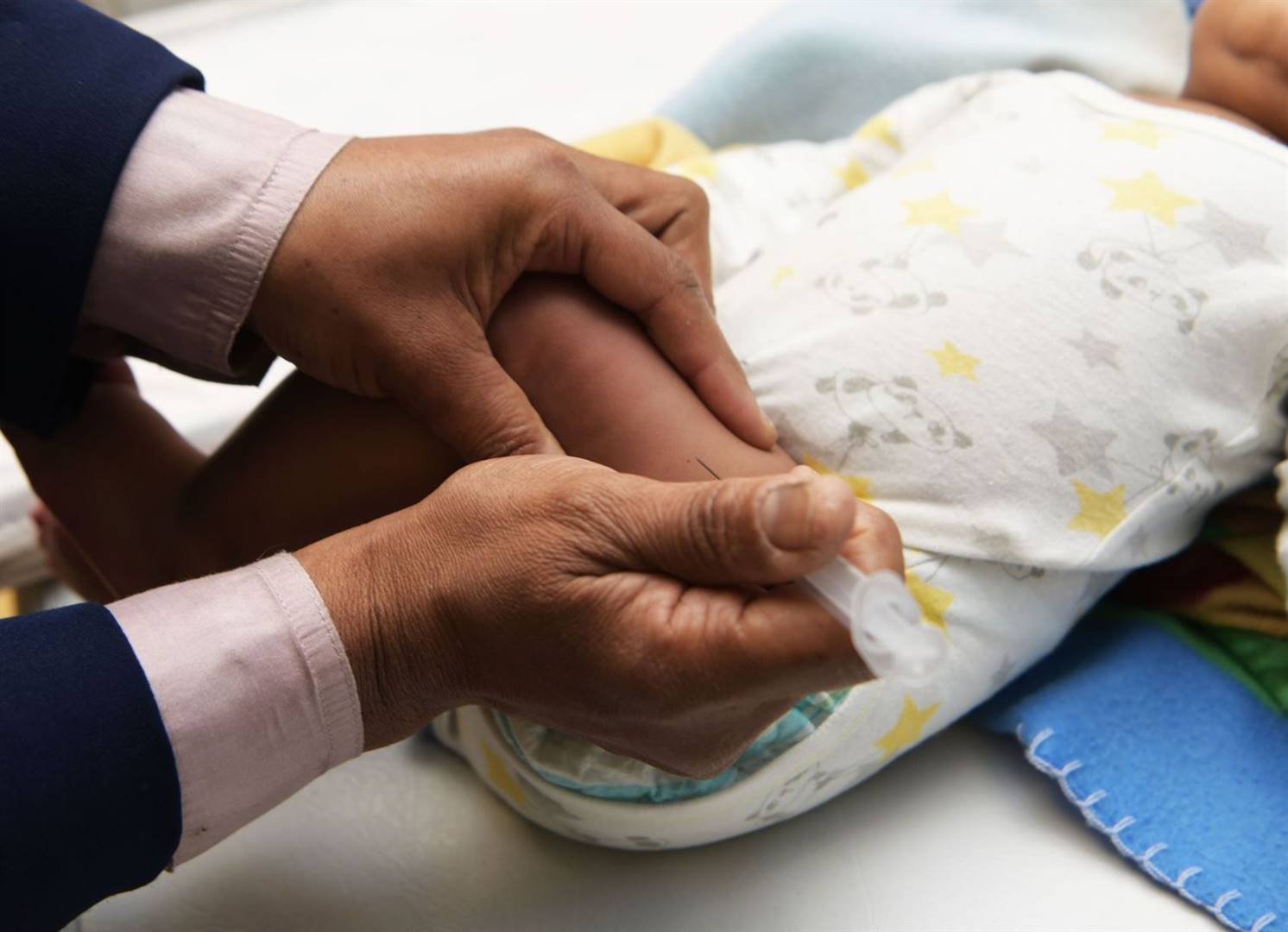

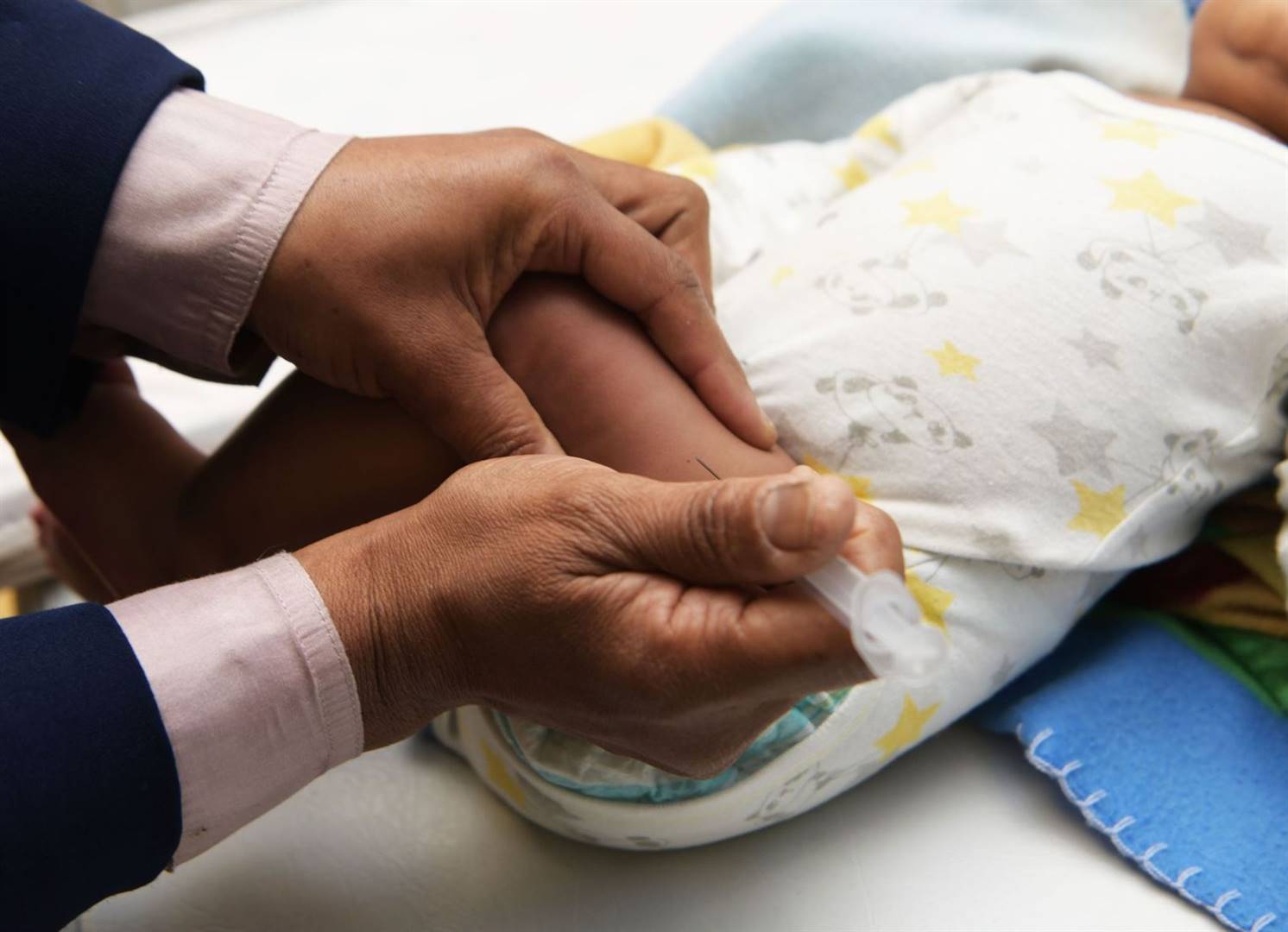
This week (Monday 24 to Sunday 30 April) marks World Immunisation Week, which focuses on what’s needed to protect people from vaccine-preventable diseases.
City Health is a key player in administering vaccinations, particularly among young children, but clinics will also embark on their annual flu-vaccination drive for at-risk groups soon.
In recent months the need for adherence to the national vaccination schedule for children was underscored by a measles outbreak in a number of provinces.
The outbreak triggered a national measles vaccination campaign.
In the metropole, 123 668 campaign vaccinations were administered between February and April to date. That represents only 35% of the population between the ages of six months and 14 years and 11 months.
In terms of children under the age of 12 months who are fully immunised according to the general vaccination schedule, the monthly average in the metropole has dropped from 3 159 in the previous financial year, to 2 370 currently.
“Every child who receives care in the public-health sector has a Road to Health booklet, to help guide parents and caregivers in their physical development, and to keep track of that child’s vaccination schedule. If you’re unsure please ask the nurse to check the booklet to see if your child’s routine immunisations are up to date. If not, catch-up immunisation can be done at any stage of the schedule.
“The recent measles outbreak was a timely reminder of the importance of vaccination. Based on the statistics, we need to increase our coverage, so I implore parents to please get their children vaccinated. Immunisations can both prevent disease and reduce the risk of serious complications should they be infected.”
Vaccination against influenza is recommended for all at risk groups.
The flu is a contagious respiratory illness caused by influenza viruses that infect the nose, throat, and sometimes the lungs.
While most people will experience mild to moderate symptoms and recover within a few days, flu can cause severe illness, and even be fatal, particularly for those considered “at greater risk” like the elderly, persons with chronic conditions, persons living with HIV and pregnant women.
City clinics will receive 21 000 doses of flu vaccines this year.
“We encourage everyone in the high risk categories to please consult their local clinic and make arrangements to get their flu vaccine timeously,” said Van der Ross. “We offer these interventions to build stronger, healthier communities, but it is a shared responsibility. Apart from getting the necessary vaccinations and taking medication as prescribed, another critical health management tool is hand hygiene. Our Environmental Health Practitioners conduct hundreds of outreaches each year to raise awareness on the importance of proper handwashing, and we want that message to be passed down in the home too.