

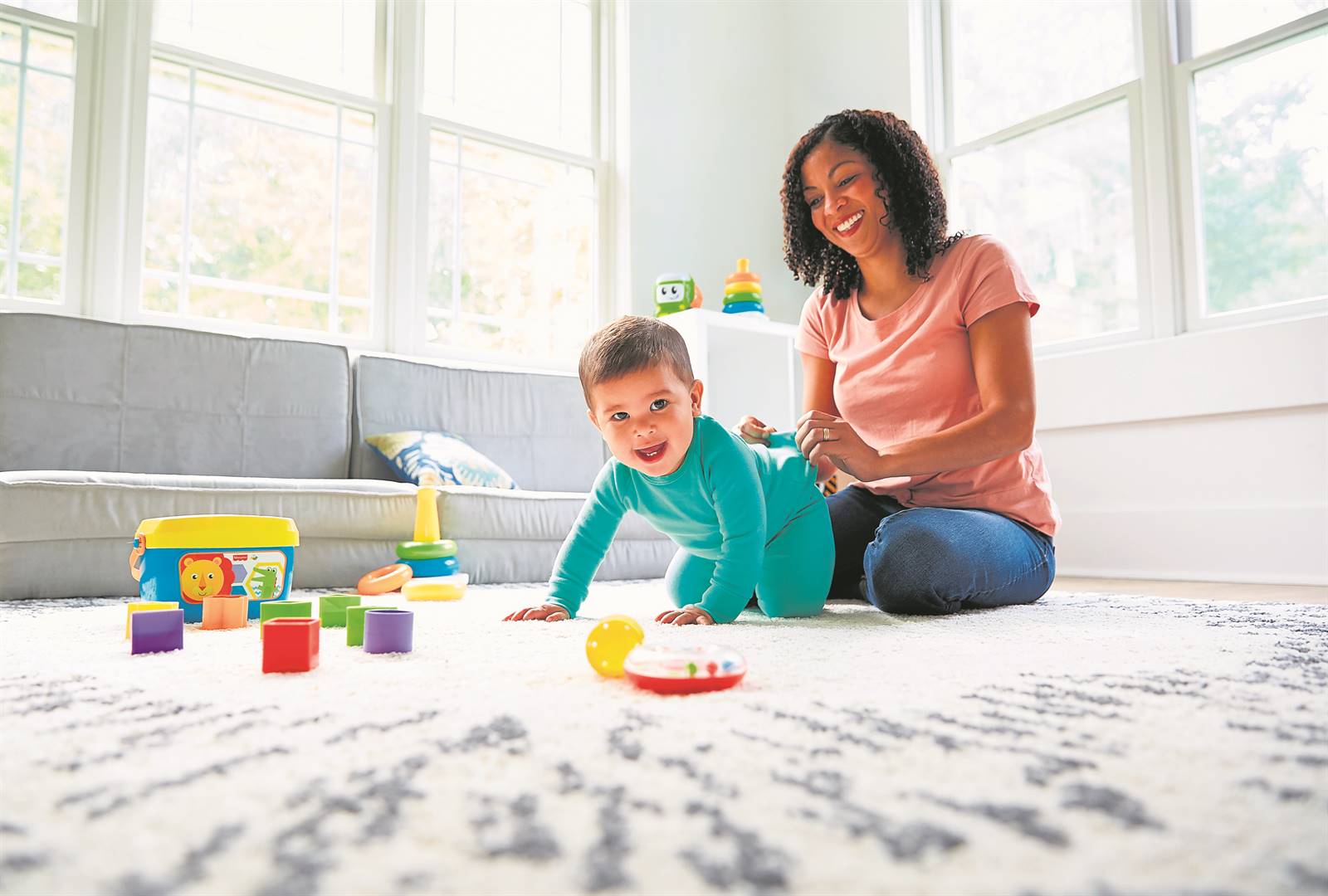
Crawling usually happens between the age of 7 and 10 months, and movement could start as early as 4 months, but all babies are different. Crawling signs like pushing up during tummy time and rocking forward when on all fours are signs to watch for, but did you know your baby could have their own crawling style?
According to Lisa Lohiser, manager of early-childhood development research at the Fisher-Price Play Lab and mother of two, you should not stress if your little one breaks out one of the non-classic styles or invents their own as there’s no wrong way to crawl.
She advised that these are some of the crawling styles you may see your child doing:
. The roller: Often a precursor to crawling, they use their entire body to roll from one place to the next.
. The bottom scoot: While not technically “crawling”, many babies will sit upright and use their arms to scoot around.
. The classic: up on hands and knees, moving one arm and the opposite knee forward at the same time.
. The bear: “Walks” on hands and feet, keeping their elbows and knees straight.
. The belly or commando: Their body is mainly flat as they slither around on their belly while moving forward.
. The crab: Pushing up with their arms, they move either backward or sideways.
The basics of how to help get your baby crawling
Beyond tummy time, which helps your baby build the core strength they need to crawl, there are some tips you can try to help start them off on the right foot – or arm and leg, in this case.
. Give them a “springboard”. Place your arm on the floor behind your baby’s feet to give them something to push against. You can also lightly push their feet forward to help them get started.
. Put one of their favourite toys just out of reach. For example, their toys at different distances like targets to give your baby something to crawl toward!
. Be their crawling buddy. Everything is more fun with a friend, right
Crawling is a big move for your baby – and it can be a pretty moving experience for you too. Up until now, your baby has needed you to go, well, anywhere. And soon they’ll have their own way to get around. It is quite literally their first move towards independence.
But just know that whether they’re crawling, walking or heading off to school, they’ll still need (and want) you there to guide them – and cheer them on.