

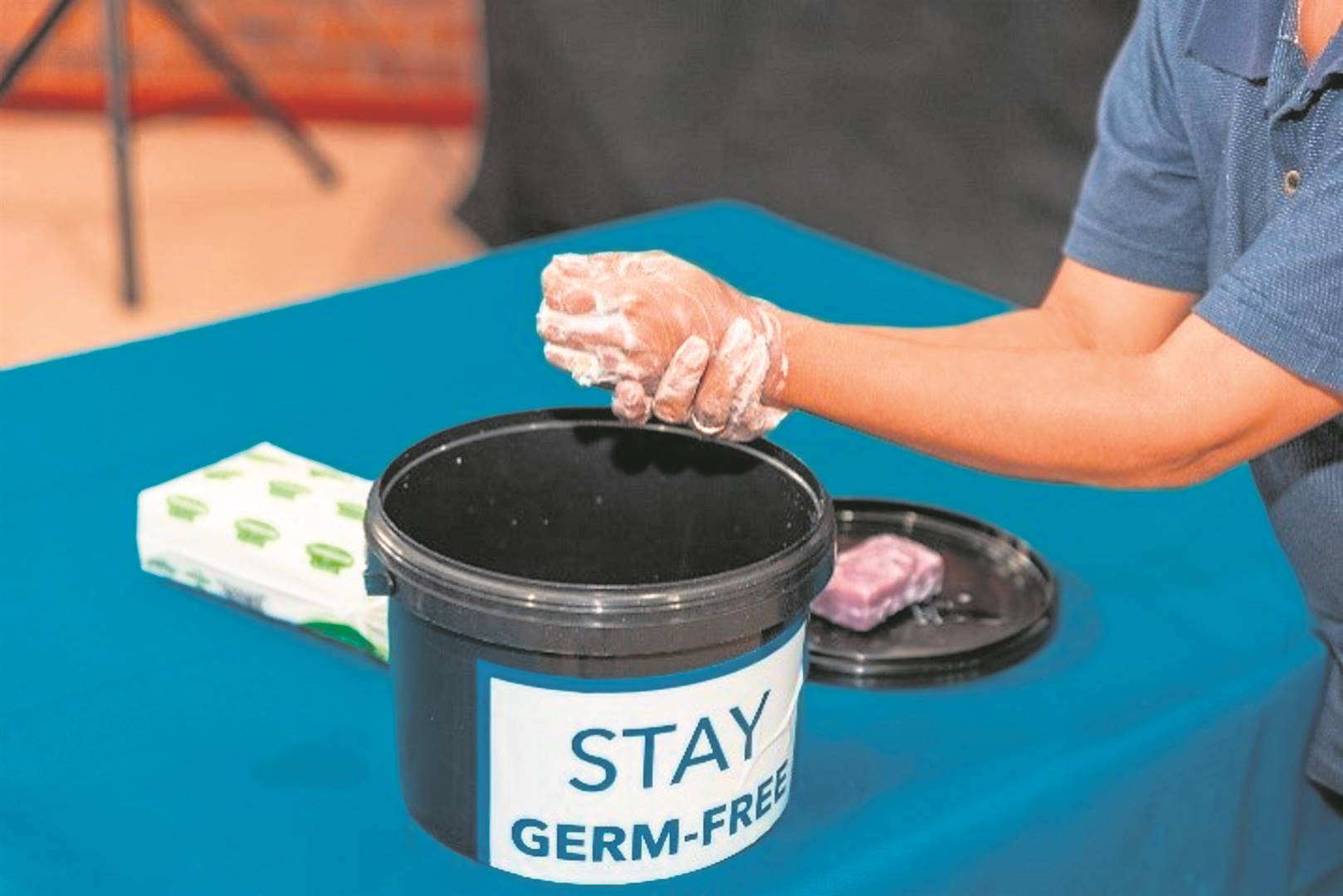
Sunday 15 October marked Global Handwashing Day, which the City of Cape Town commemorated with a reminder to cultivate this healthy habit.
“Regular handwashing is one of the best ways to remove germs, prevent the spread of germs and avoid getting sick. Many food-borne diseases can also spread without handwashing,” said Councillor Patricia van der Ross, Mayoral Committee Member for Community Services and Health.
“The annual day challenges us to find creative ways to encourage people to wash their hands with soap at critical times and is used by medical staff, educators, leaders and communities to highlight the importance of handwashing and the value of clean hands.”
As an important prelude to Global Handwashing Day, the City’s Environmental Health Department executed a micro-snapshot survey of members of the public. A total of 99 samples were taken and analysed by the City Health laboratory and in 53 of these samples the results suggested inadequate handwashing or poor hygiene practices, which can increase the risk of gastrointestinal and respiratory infections.
The department has implemented more than 1 251 health and hygiene interventions during the last financial year, from 1 July 2022 to 30 June 2023, to educate communities on various health and hygiene risks and preventative measures, which included handwashing outreach activities.
The first Global Handwashing Day was held in 2008 where the simplicity and value of clean hands was demonstrated. It is an annual global advocacy day dedicated to increasing awareness and understanding about the importance of handwashing with soap as an effective and affordable way to prevent diseases.
“We encourage everyone to heed the call by the United Nations, and to wash their hands during critical points of the day at least for 20 seconds, as it is a proven affordable way to prevent the spread of diseases,” said Van der Ross. “This becomes even more critical as we head into the warmer months, which is generally associated with an increase in gastro-enteritis or the stomach flu, as it’s commonly referred to.”
- Before, during and after preparing food
- Before and after eating food
- Before and after caring for someone at home who is sick with vomiting or diarrhoea
- Before and after treating a cut or wound
- After using the toilet
- After changing nappies or cleaning a child who has used the toilet
- After blowing your nose, coughing or sneezing
- After touching an animal, animal feed or animal waste
- After handling pet food or pet treats
- After touching garbage