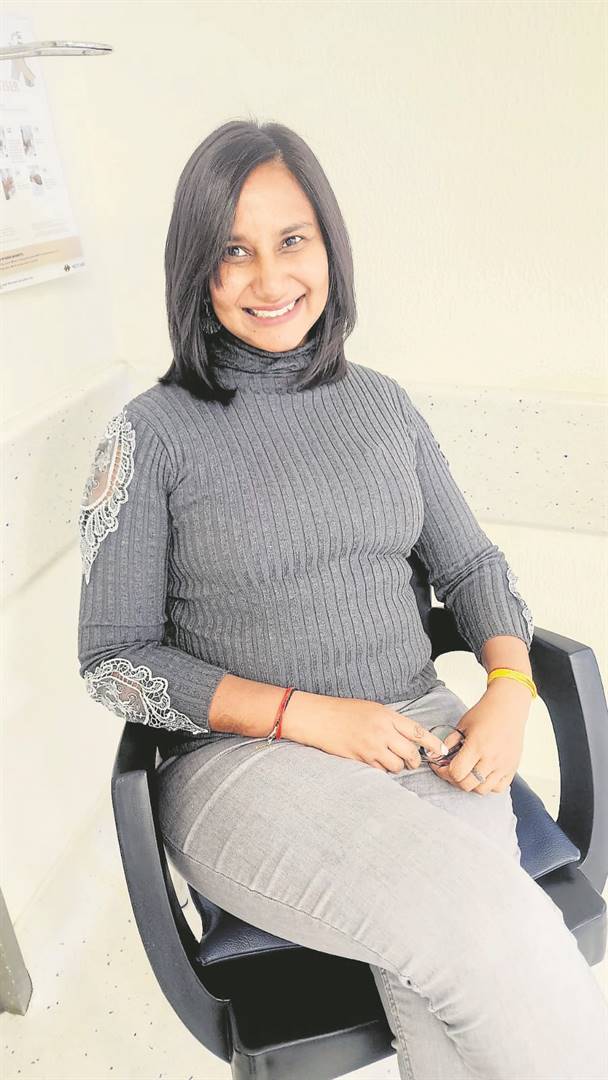

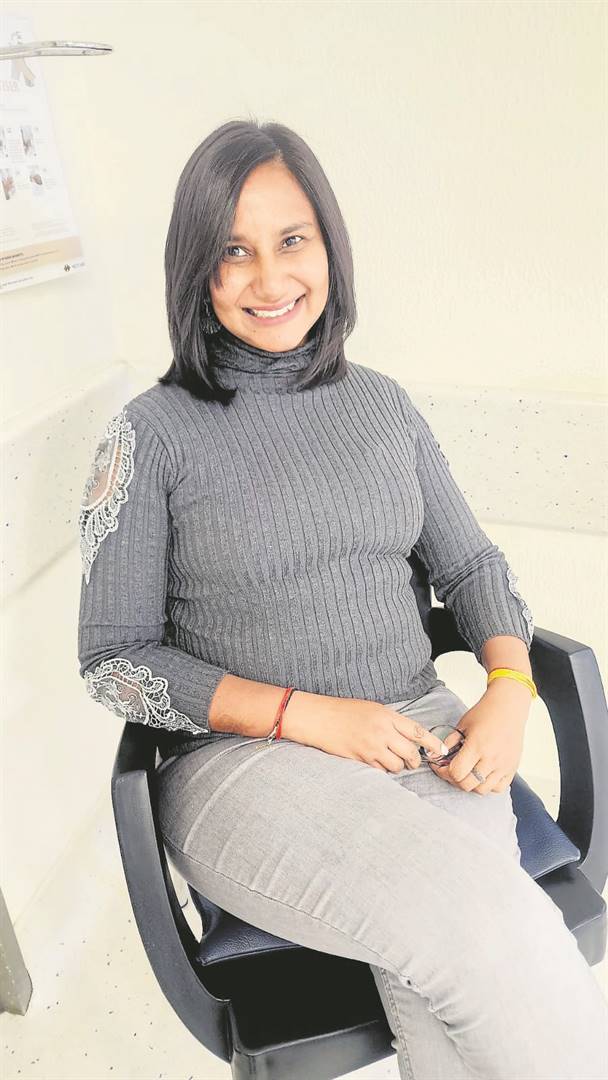
As the prevalence of autism diagnoses increases, Dr Nerica Ramsundhar, a neurodevelopment paediatrician practising at Netcare St Augustine’s Hospital in Durban, sheds light on the signs and symptoms that parents should be on the lookout for.
“Just in the last five or six years we have seen the numbers of those diagnosed with autism go from one in 56, to the most current statistics of one in 36 children, according to the US Center for Disease Control (CDC) guidelines for 2023. Autism also affects more males than females,” says Ramsundhar.
“People with autism have neurodevelopmental differences that play out in the way they socialise and communicate. It’s often accompanied by repetitive behaviours and fixated interests. It can also be seen in the way the person responds in sensory processing.”
Ramsundhar explains that those on the spectrum may communicate in their own way. “This impacts conventionally expressive language, which is our ability to talk, receptive language, which is our ability to understand, and non-verbal communication such as facial expressions, eye contact, gestures and body language.”
She says how children on the spectrum use expressive language is highly varied. “A child may have fluent speech, but we need to assess if they are using their language to converse and connect with someone in a functional manner.
“For instance, we consider whether the child’s conversation allows a to-and-fro exchange on the same topic or whether there are utterances that are undirected, not purposeful, delayed or even scripted, where the child relays something they’ve heard previously. Other signs may include making up their own words or having a singsong quality to their speech.”
Ramsundhar says some children with autism may have an affinity for languages other than their home language. Others may not respond to their name or do so inconsistently. They could also experience auditory processing differences.
“It’s fairly common for such children to make less eye contact and certain children may not point, which is otherwise a common gesture for communication.”
Ramsundhar says children with autism often don’t express emotions through their facial expressions, which can appear to be flattened or muted and limited in range. “Repetitive behaviours like hand flapping, jumping, body twirling and object spinning can also be seen.”
She stresses the importance of understanding restrictive behaviours for children on the spectrum. “Parents and caregivers should understand that these children thrive on routine and familiarity, which gives them comfort. Often, children with autism don’t like change. They may want things placed in a certain way. If the order is changed they may become very upset.
“They want things to be simple and binary, and may have a problem understanding knowledge that is applied. Autistic children can sometimes have fixated interests, which means they are preoccupied with a particular hobby or topic, such as cars, dinosaurs, buttons or stones. This can be so all-consuming that it impacts the child’s ability to connect with others.”
She adds that some children with autism may display altered social interaction, so they may avoid social interaction or be overly friendly. “Taking turns, sharing and functional play with toys may be some areas where this is picked up.”
According to Ramsundhar an early clue is when a child does not latch on easily while being breastfed or has a fragmented sleep pattern. “The baby may not be easy to soothe, and swaddling that may have worked with other babies may not work for those who are predisposed to being on the autism spectrum.
“It may not be easy to wean the child. As they get older we see decreased eye contact and often an inconsistent, delayed, or no response to their name being called, whereas other children respond to their name from as early as six months. They may take longer with their expressive language, with their gestures being decreased. They don’t clap hands, blow kisses or wave bye-bye.”
During play children may display a late interest in play materials. “They may prefer to be alone or to parallel play. They may be on the outskirts, watching their peers interact. Their play is often repetitive. If parents see that their child finds it difficult to regulate their emotions – where change precipitates meltdowns – then I’d recommend investigating the cause to support the child best.”
Neurodevelopmental paediatrics is a sub-speciality that focuses on conditions that impact a child’s development and behaviour, including autism.
“When diagnosing children we conduct a parental interview, looking at the pregnancy, birth, developmental and medical history, and the past three generations of the family. We discuss the family’s thoughts about play, sociability, repetitive behaviours or processing differences. This interview should be conducted away from the child.”
She then conducts an interaction and observation session with the child. “We look at how the child interacts,” she says, “how they show interest in their parents, if they ask for anything from those in the room, the level of their vocabulary or expressive language and whether the expressive language is coordinated with gestures, for example.
“We also conduct a clinical examination looking for anything that could explain why the child is manifesting this way. We check for neurological factors that could have precipitated autism, such as epilepsy, cerebral palsy, a traumatic brain injury or even syndromic or genetic causes. The clinical examination is extremely valuable in the entire assessment.”
Ramsundhar emphasises children with autism and their families need support from their communities. “It’s about simple gestures, caring and kindness,” she concludes.